A beginner kettlebell workout does not require complexity. The myth that effective training means elaborate programming with dozens of exercises keeps too many people from starting. A kettlebell workout for beginners built around three to four movements, practiced consistently three days per week, produces measurable strength and cardiovascular improvement within eight weeks. The tool is versatile. The learning curve is manageable. The results come from consistency, not complexity.
A kettlebell beginner workout should prioritize learning movement patterns before adding load. A basic kettlebell workout that you can execute with clean form outperforms a more challenging program that breaks down every third repetition. Beginners kettlebell workout plans that rush loading tend to produce lower back soreness and discouragement rather than progress.
The Core Movements of Every Beginners Kettlebell Workout
Hip Hinge, Swing, and Squat Patterns
The hip hinge is everything. Without it, the swing becomes a squat-and-pull that strains the lower back instead of loading the hamstrings and glutes. Spend the first two to three sessions practicing the hinge without any weight: stand facing a wall, push your hips back toward it, keep the spine long and the chest up, then drive forward. That pattern powers every kettlebell swing you will ever do.
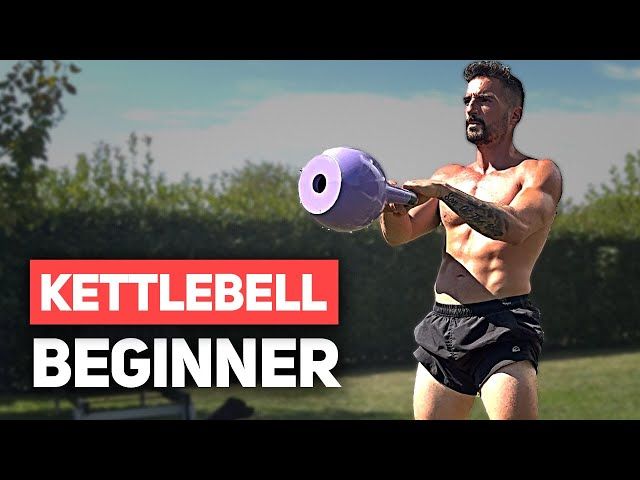
The two-handed swing is the cornerstone exercise for any beginner kettlebell workout. From the hinge position, you drive the hips forward explosively while the arms act as a pendulum. The bell swings to shoulder height from hip power alone. If your arms are pulling it up, the pattern needs correction. Fifteen clean swings with a manageable weight teaches more than fifty sloppy reps with too much load.
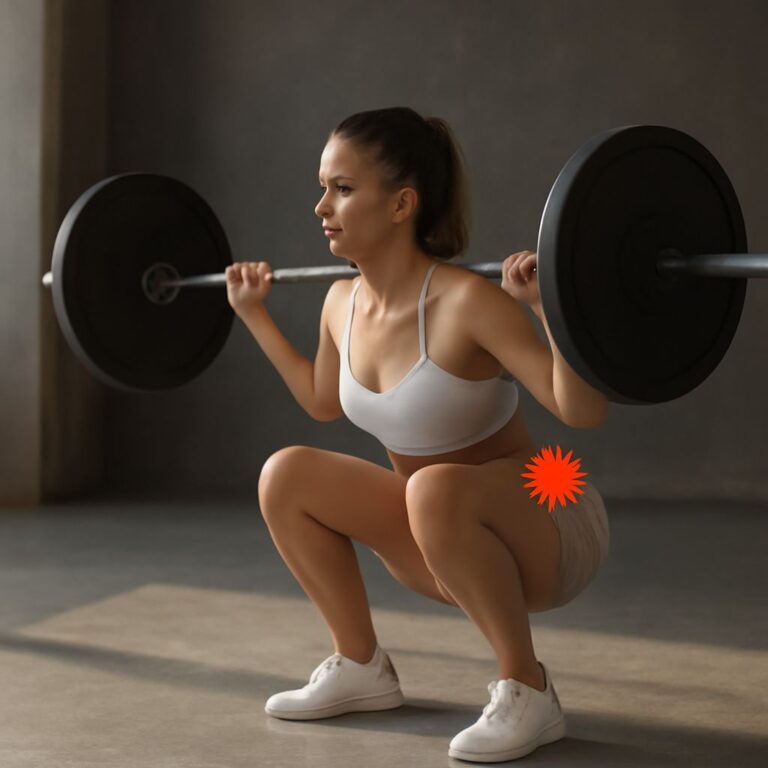
The goblet squat completes the foundational trio. Hold the kettlebell vertically at the chest with both hands cupped around the horns. Squat deep, keeping the elbows tracking inside the knees. The counterbalance of the bell allows beginners to reach squat depth that bodyweight squats often cannot because the weight shifts your center of gravity forward.
- Begin each session with five minutes of hip hinge practice without weight before swinging
- Choose a swing weight where form holds for all fifteen repetitions of your work sets
- Add goblet squats after swings to load the legs while the posterior chain is warm
- Include the Turkish get-up as a fourth movement once the first three patterns feel automatic
A basic kettlebell workout structured around these movements can be completed in twenty-five minutes. Three sets of fifteen swings, three sets of eight goblet squats, and three sets of five get-ups per side covers the full body with minimal equipment and maximum efficiency.
Programming and Progression for Beginners Kettlebell Training
A kettlebell beginner workout program should run for at least twelve weeks before assessing results. Four weeks is too short to evaluate adaptation. Most beginners see technique improvement in weeks one through four, strength gains in weeks five through eight, and meaningful body composition changes by weeks nine through twelve if nutrition is adequate.
Progression follows a simple rule: when all repetitions feel technically clean and the final rep is not a struggle, add one to two kilograms at the next session. Never add load when form is breaking down at any point in the set. A beginners kettlebell workout program that respects this rule produces linear strength gains over months rather than injury setbacks that restart progress from zero.
Rest intervals matter. Ninety seconds between swing sets is appropriate for beginners. Shorter rests build conditioning but compromise technique when training capacity is still developing. As fitness builds over weeks, rest intervals can shorten without technique degrading.
A kettlebell workout for beginners that incorporates three movements, three days per week, with appropriate rest and progressive loading is a complete program. Add complexity only when the basics feel genuinely mastered, not when boredom strikes.