A yoga journey is not a straight line. Most practitioners who have practiced for five or more years describe their path as nonlinear, full of detours, experiments, and unexpected pleasures. Yoga dance formats blend movement meditation with rhythmic music and free-form expression, drawing in practitioners who found traditional asana classes too rigid. Yoga tea ceremonies have emerged as a ritual accompaniment to practice, using adaptogenic and herbal blends to deepen the transition from external activity to internal attention. These are not fringe additions to a serious practice. They are access points.
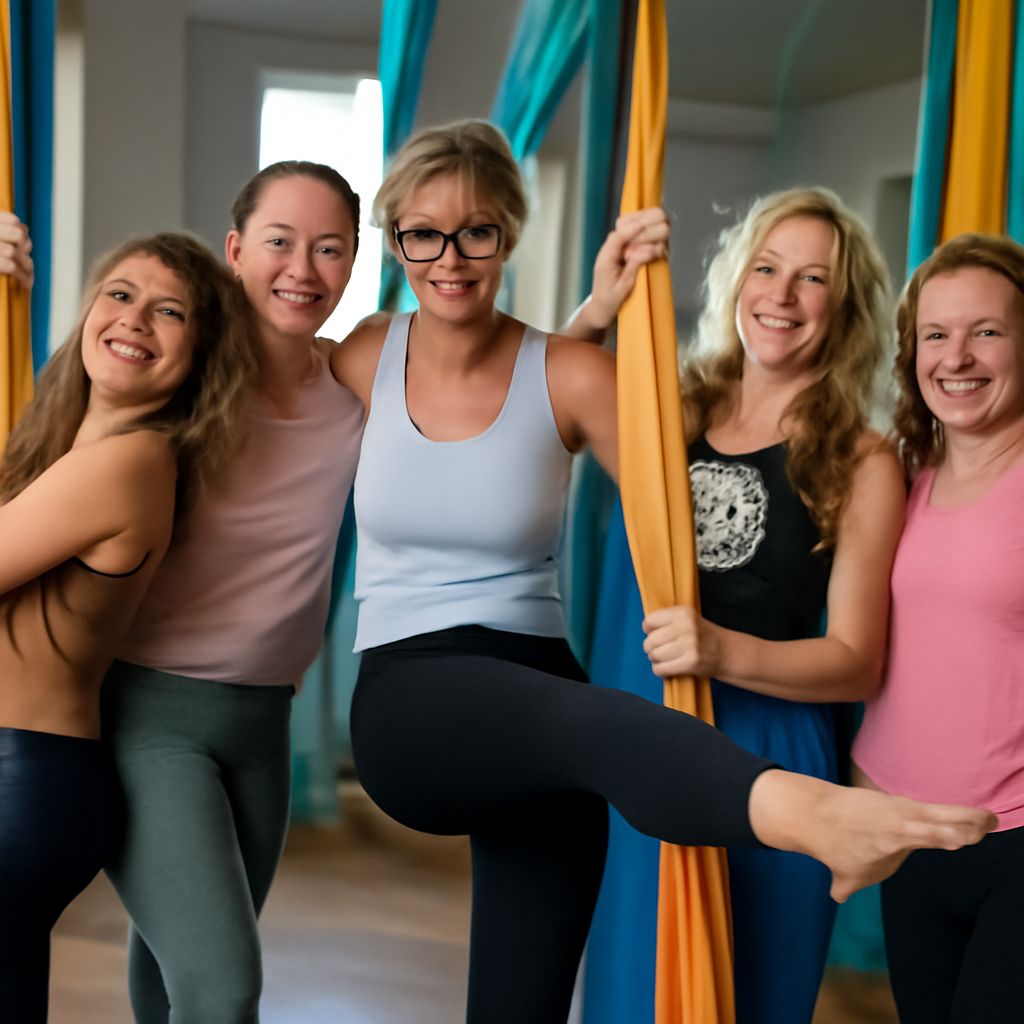
Rope yoga, practiced in rope walls or iyengar-style rope systems, offers unique traction and decompression that no floor-based practice can replicate. Fun yoga as a category describes formats that deliberately lower the pressure of performance, creating space for laughter, play, and imperfection. Both approaches serve something that many practitioners eventually discover they need: permission to enjoy the practice rather than merely endure it.
How Yoga Dance, Tea, and Ropes Expand the Journey
Movement, Ritual, and Traction Work
Yoga dance emerges from traditions like Dancemeditation and Nia, which blend improvised movement with mindfulness principles. Unlike choreographed dance, yoga dance invites practitioners to respond to sensation rather than follow a set sequence. For people who struggle with the stillness required in traditional yoga, this movement-first approach often opens a doorway into deeper body awareness than sitting-still meditation provides.
Yoga tea ritual creates a temporal marker around practice. The act of brewing and slowly drinking tea before a session signals the nervous system that transition is happening. Herbs like ashwagandha, tulsi, and lemon balm support cortisol regulation. The ritual itself, not just the chemistry, contributes to the parasympathetic shift that makes practice more receptive.
Rope yoga systems, found in Iyengar-trained studios, allow practitioners to hang, lean, and create traction through the spine that gravity alone cannot produce. A standing hang from a rope loop supports full spinal decompression. A rope-supported backbend allows the thoracic spine to open without the shoulder and wrist loading of an unsupported wheel pose. The tool makes therapeutic inversions accessible to practitioners who lack the strength for self-supported versions.
- Try one yoga dance class before deciding it is not for you, the first session always feels strange
- Build a simple pre-practice tea ritual using a single herb you enjoy to create a consistent transition signal
- Ask at local Iyengar studios about rope wall access for spinal decompression work
- Schedule one fun yoga session per month to maintain the quality of enjoyment that prevents burnout
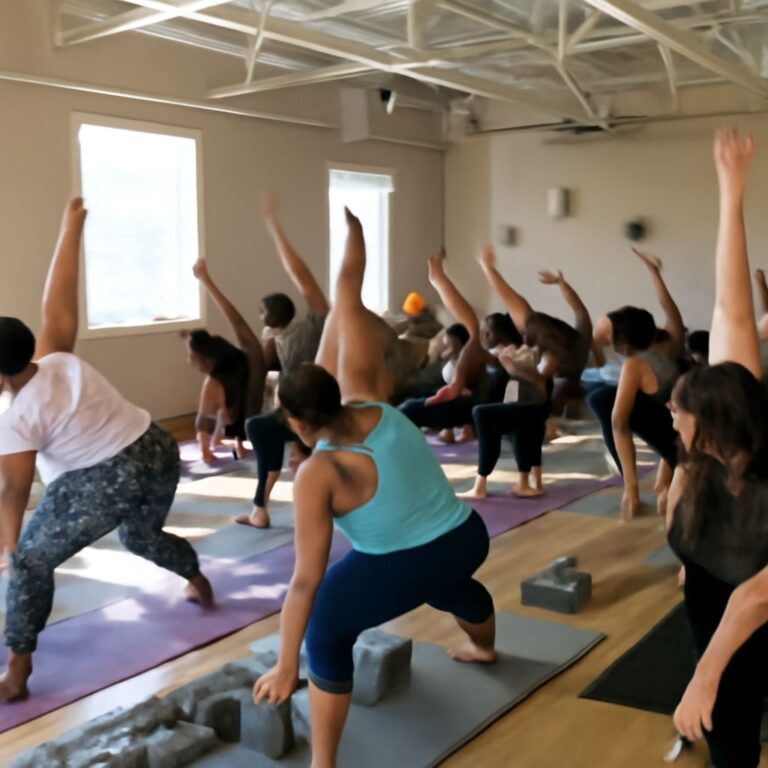
Fun yoga formats reduce the self-monitoring that often accompanies more serious practice. When laughter is expected and performance is not, the nervous system relaxes in ways that enable the very flexibility and openness that high-pressure classes try to produce through instruction.
Building a Yoga Journey That Sustains Over Decades
The practitioners who maintain a yoga journey over ten, twenty, or thirty years rarely describe a single unchanging practice. They describe evolution. Studio classes gave way to home practice. Restorative yoga replaced vinyasa during health challenges. Yoga dance appeared during periods of creative hunger. The thread connecting these shifts is ongoing curiosity rather than loyalty to a single form.
Rope yoga, yoga tea, and yoga dance each represent an answer to a specific practitioner need. One person needs traction and decompression. Another needs ritual and grounding. A third needs joyful movement without performance pressure. A yoga journey that incorporates multiple modalities serves you at more life stages than one that insists on a single correct form.
Fun yoga events, including themed classes, outdoor sessions, and community practice gatherings, address the social dimension of practice that many home practitioners miss. Showing up regularly to a community that knows you produces accountability and belonging that solo practice cannot replicate.