People often treat fitness modalities as competing options when the real question is what combination of methods serves their specific goals. The benefits of calisthenics, trap bar deadlift benefits, hindu squats benefits, power yoga benefits, and yoga ball chair benefits each address different aspects of fitness. Understanding what each delivers makes programming decisions clearer.
The assumption that one training style covers everything leads to gaps. Someone committed only to calisthenics may lack the hip-hinge strength that barbell work develops. Someone doing only barbell training may lack the relative body control and mobility that bodyweight practice builds. The most complete approach draws from multiple methods intentionally.
What Each Method Actually Delivers
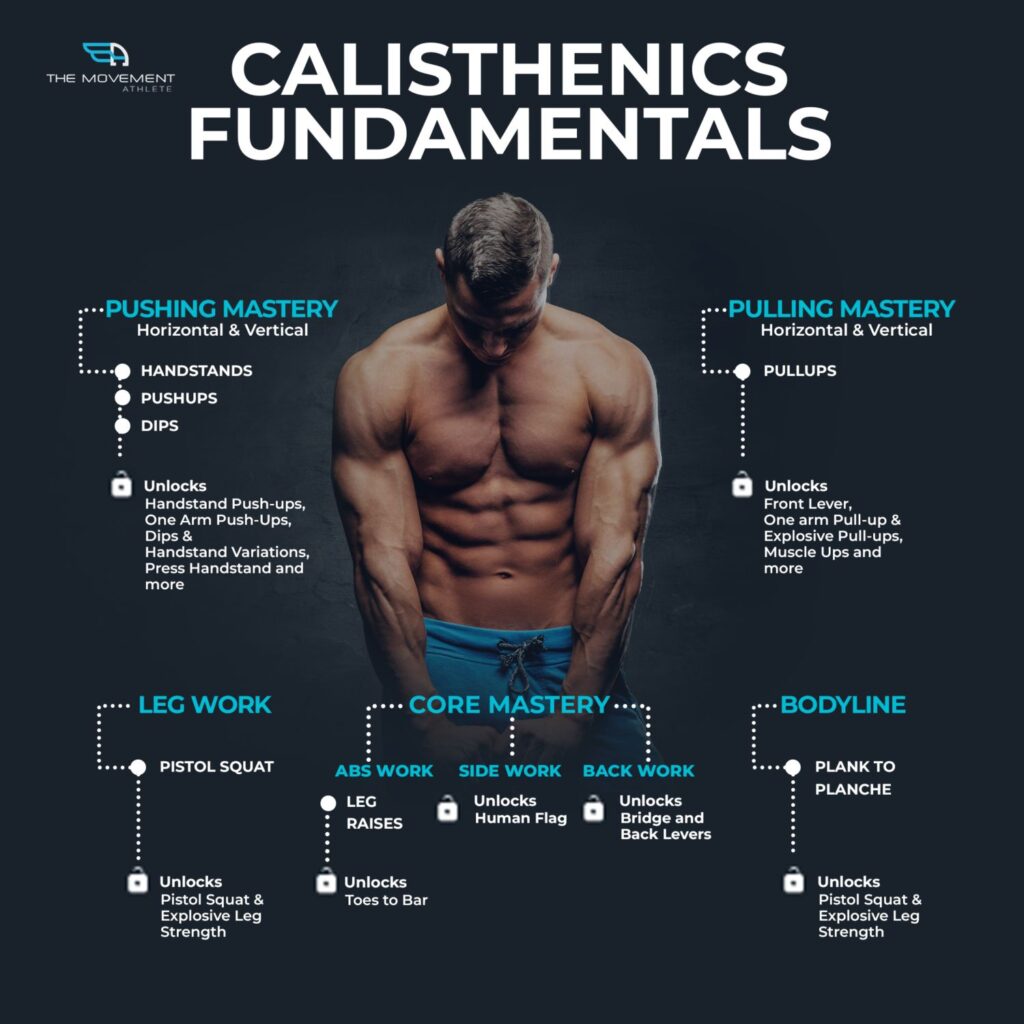
The benefits of calisthenics center on relative strength, body control, and joint resilience. Push-ups, pull-ups, dips, and their progressions build functional upper body strength with no equipment required. Calisthenics also trains proprioception through movements like handstands and human flags that challenge balance and spatial awareness in ways barbells don’t.
Trap bar deadlift benefits include reduced lumbar shear compared to a conventional barbell deadlift, making it safer for those with lower back concerns. The trap bar centers the load around the lifter’s hips, allowing a more upright torso and greater quad contribution. For athletes, it transfers well to jumping and sprinting mechanics.
Hindu squats benefits include hip flexor and ankle mobility, cardiovascular conditioning when performed for high reps, and knee joint health through the full range of flexion. The forward lean and heel raise in the Hindu squat pattern differ markedly from a Western squat, which is why practitioners who add it often notice mobility changes their standard squatting didn’t produce.
Power yoga benefits come primarily from the cardiovascular and strength endurance demands of continuous movement under time pressure. Unlike slower yoga styles, power yoga keeps the heart rate elevated throughout the session. It also trains muscular endurance in the shoulders, core, and hip flexors through repeated transition sequences like Chaturanga and Warrior flows.
Yoga ball chair benefits are narrower than the others listed here. Sitting on an exercise ball instead of a chair activates the deep spinal stabilizers passively throughout the workday. The benefit is modest but real for people who spend long hours seated. It is not a substitute for deliberate core training but can supplement it during time that would otherwise be sedentary.
The practical approach is to anchor your program around one or two primary methods and rotate supplementary work through the others. A calisthenics practitioner who adds trap bar deadlifts twice per week builds posterior chain strength that pull-ups and rows don’t fully cover. A barbell lifter who adds a power yoga session once per week addresses mobility and movement quality that heavy training tends to compress over time.