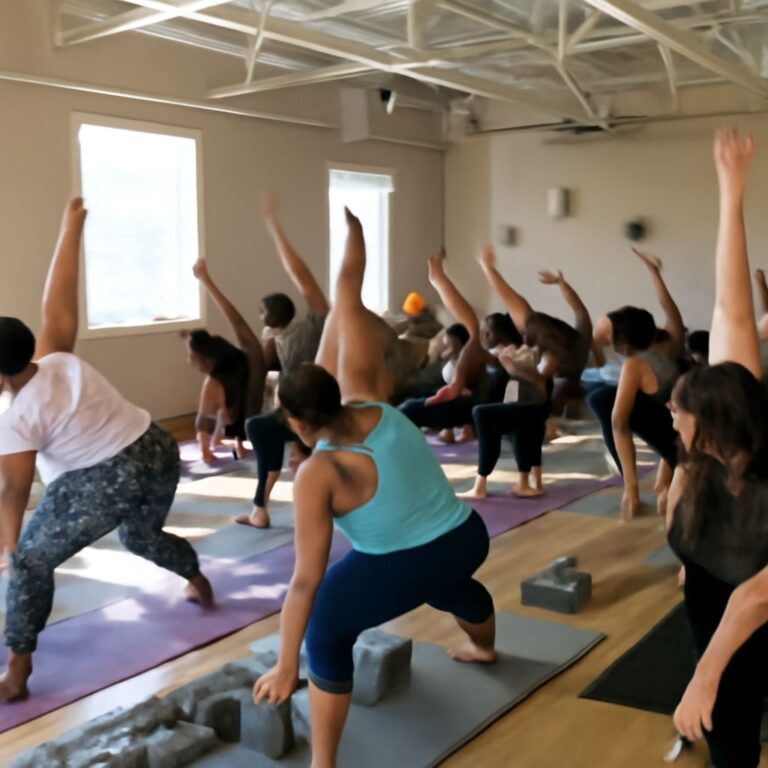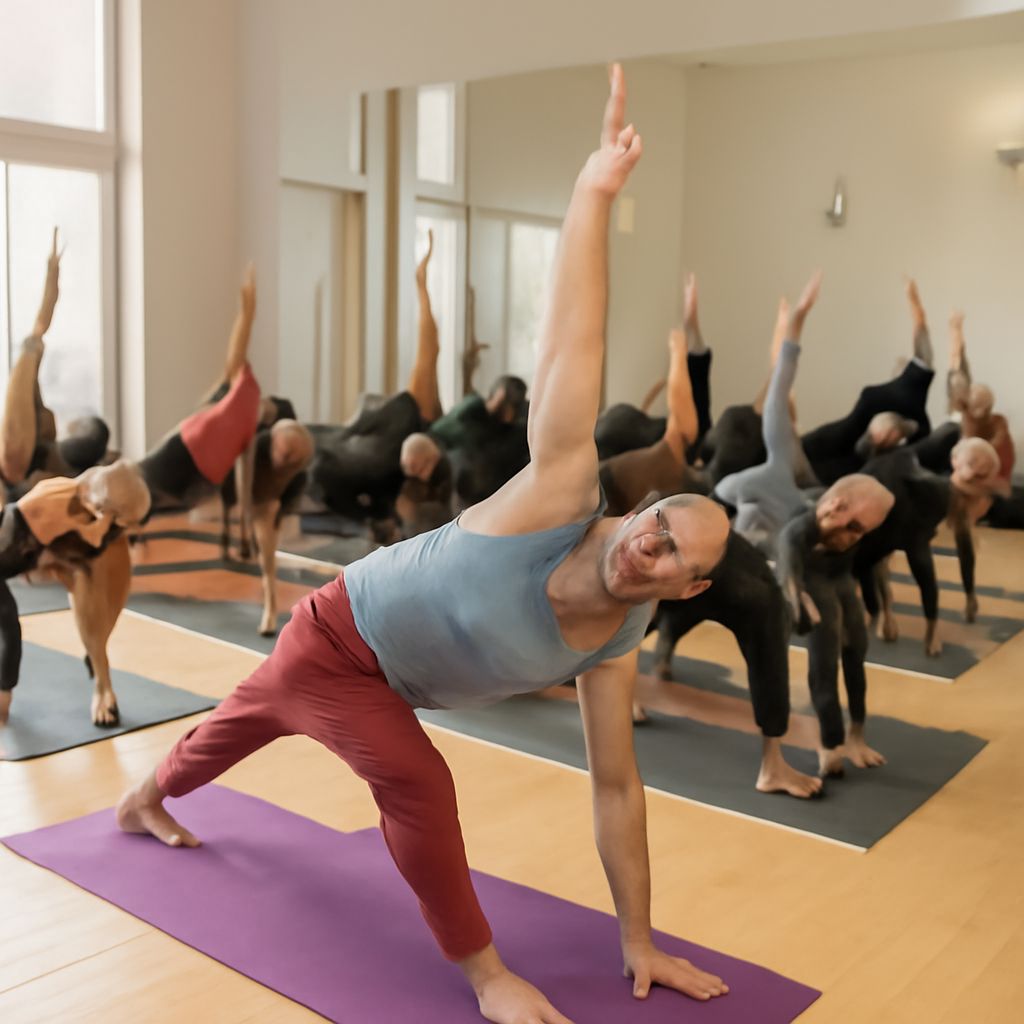
Yoga outside gets treated as a summer novelty or photo opportunity. For practitioners who have made a habit of it, outdoor practice changes the quality of attention in ways that a studio environment rarely does. Natural light, ground texture, air movement, and ambient sound provide constant sensory input that keeps the mind present rather than drifting. Gravity yoga and garden yoga both benefit from this attentional quality.
Trap yoga, sometimes called trap-inspired or hip-hop yoga, uses music from the trap genre to drive a dynamic practice. It sounds like a gimmick. It often isn’t. The heavy bass and unpredictable rhythm of trap music creates a different energetic container than ambient soundscapes, which attracts practitioners who find traditional yoga music inactive or sleep-inducing. Practiced outside or in a garden setting, trap yoga takes on yet another character.
Gravity Yoga and the Outdoor Setting
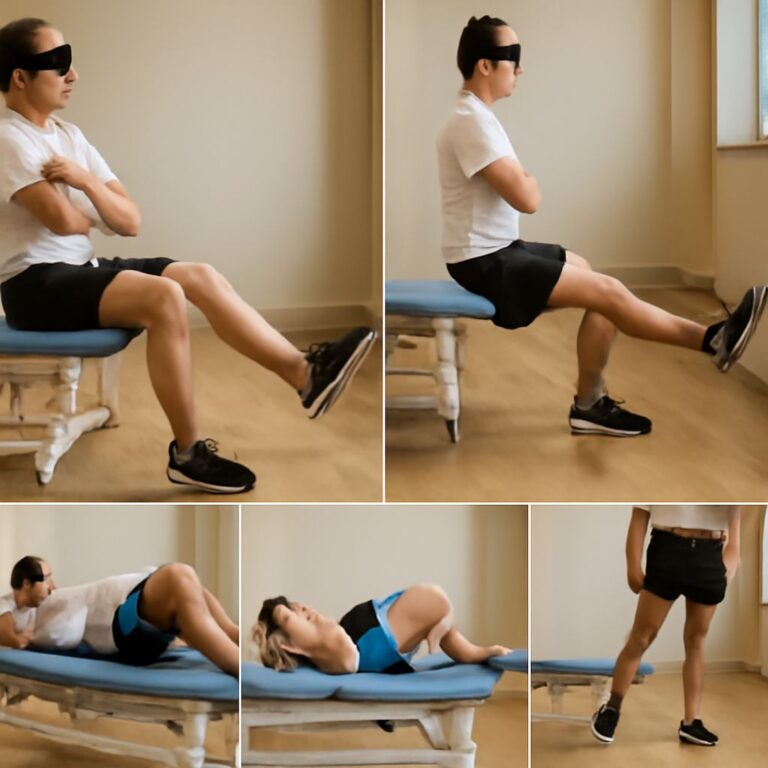
Gravity yoga is a specific approach developed to address extreme flexibility limitations, particularly in the hip flexors and hamstrings. Poses are held passively for two to five minutes, relying on gravity and progressive relaxation rather than active force to create change. The nervous system response to gravity yoga differs from standard static stretching because the duration is long enough to address both the muscular and connective tissue components of tightness.
Doing gravity yoga outside adds a dimension that indoor practice lacks. Lying in a long passive hold in a garden, with the sounds of birds and wind and the feeling of sunlight, takes the parasympathetic activation that gravity yoga produces and amplifies it. Many practitioners report that holds outdoors feel easier and produce faster results than the same holds done indoors under artificial light.
Garden yoga doesn’t require an elaborate outdoor space. A patch of grass large enough for a mat, a reasonably level surface, and protection from direct sun during peak hours is sufficient. A blanket under the mat adds padding and warmth for early morning or cool evening practice when ground temperature is low.
Practical Tips for Yoga Outside
Uneven ground is the primary challenge of yoga outside. Standing balance poses like Tree or Warrior III require more effort when the surface isn’t flat. This is actually a training benefit, since the stabilizing muscles work harder than on a studio floor. Start with seated and supine poses if the ground is very uneven, and progress to standing work as you acclimate.
Insects, wind, and temperature shifts require adaptability. Bring a light layer for Savasana even on warm days, since body temperature drops noticeably during a long final relaxation outside. A natural bug repellent applied to exposed skin before a garden yoga session prevents the distraction of bites during long holds.
Morning and late afternoon are the most comfortable times for outdoor practice in most climates. Midday sun is often too intense for any vigorous movement. Early morning garden yoga before the day’s demands begin is a particularly effective habit. The quiet of that time of day supports the introspective quality that yoga at its best produces.
Pro tips recap: for yoga outside, choose times with moderate temperature and use a thicker mat for grass surfaces. Gravity yoga holds done outdoors benefit from the natural parasympathetic environment. Garden yoga needs only a mat-sized grass patch. Trap yoga outside requires Bluetooth speakers and some tolerance from neighbors. Each of these formats extends your practice options well beyond what any single studio environment provides.