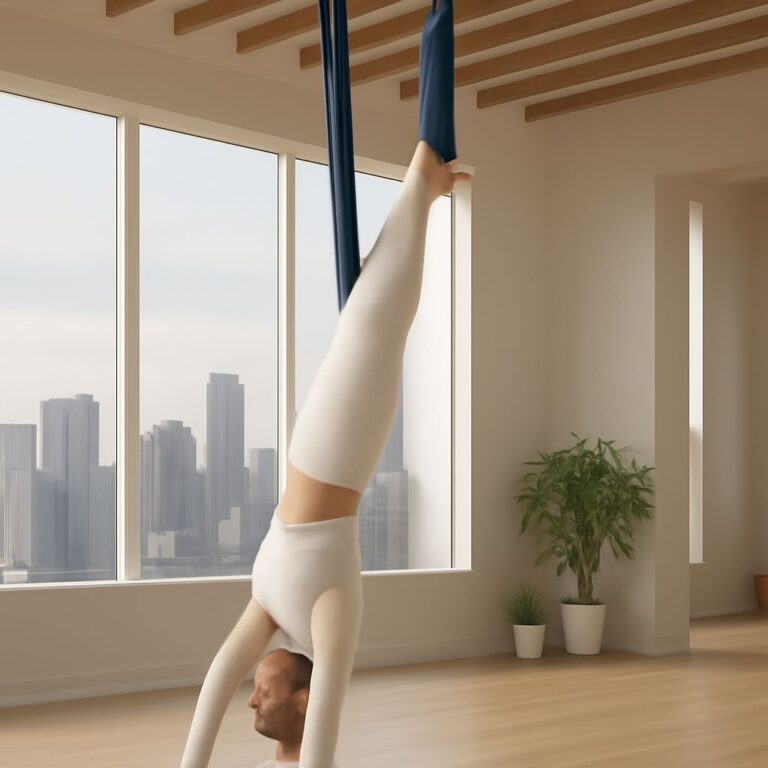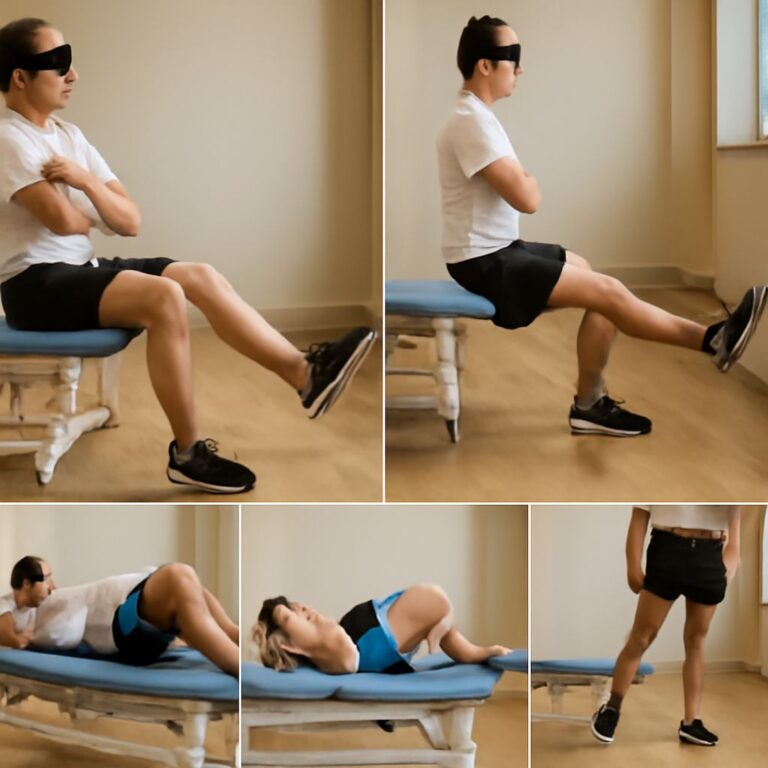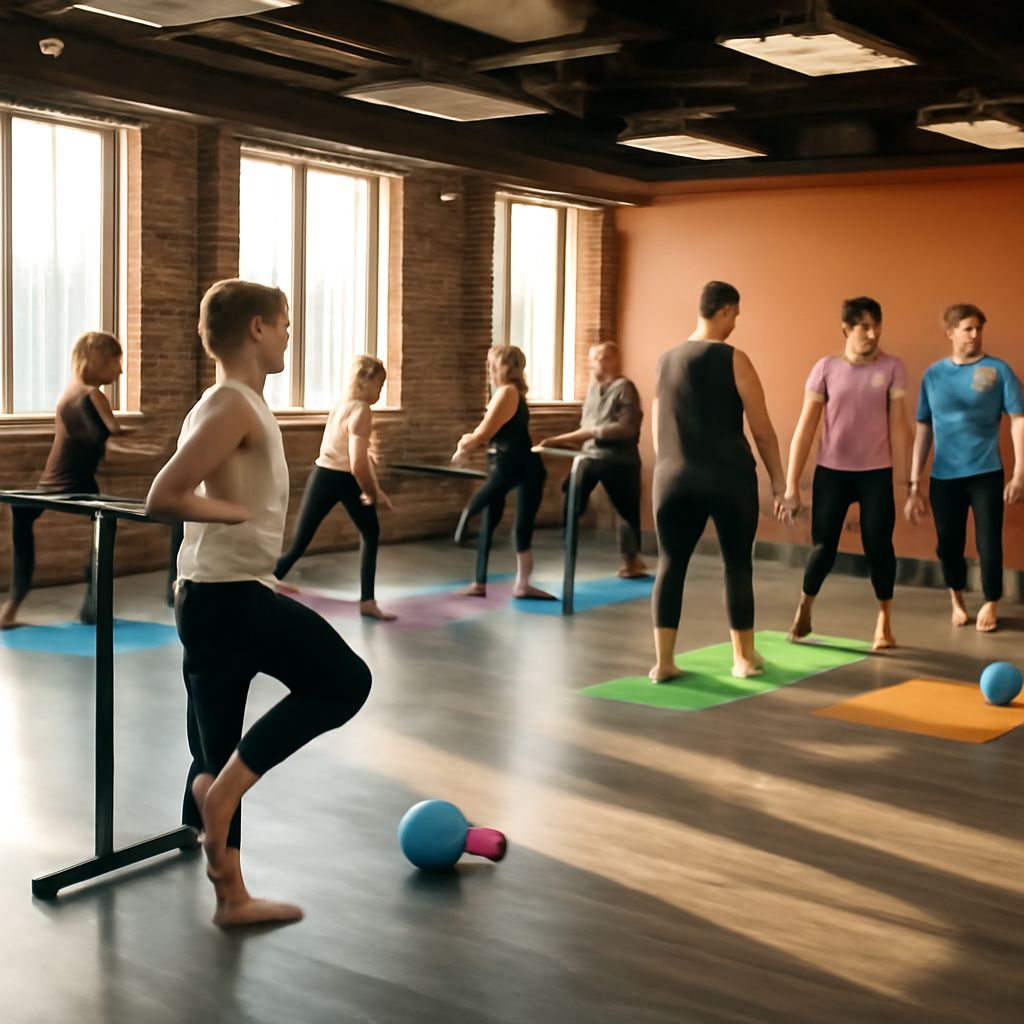
Many people think hot yoga barre is just barre class turned up a few degrees. The reality is that infrared heat changes the entire physiology of the session. Infrared yoga heats the body from within rather than heating the surrounding air, which allows the room to stay at a lower air temperature while producing deeper tissue warming. The result is less stuffiness and more efficient muscle preparation. When you combine that with barre-style isometric holds and small-range-of-motion pulses, you get a class that trains both the slow-twitch endurance fibers targeted by barre and the cardiovascular system loaded by heat, simultaneously.
The body yoga aspect of these hybrid classes uses traditional yoga postures, warrior series, standing balance, and floor stretches, to transition between barre sequences and provide active recovery. This structural choice is intentional. Yoga transitions allow the heart rate to modulate between the high spikes of intense barre work and a moderate aerobic baseline, which trains cardiovascular recovery speed. Mind and body yoga principles, including breath synchronization with movement, apply throughout the entire class rather than only during the floor section. Hot body yoga programming at specialized studios now combines all three disciplines into sixty-minute classes that produce strength, flexibility, and endurance work within a single session.
How Infrared Heat Changes Barre and Yoga Performance
Tissue Warming, Flexibility, and Cardiovascular Load
Infrared radiation penetrates soft tissue 2–3 cm below the skin surface. This produces tissue warming from inside out rather than outside in. Muscles in an infrared environment reach functional temperature faster than in a forced-air heated room at the same air temperature. The practical effect during barre work is that you reach your working range of motion in the first five to seven minutes rather than needing fifteen to twenty minutes of warm-up before the tissue responds freely.
Flexibility gains in infrared barre classes accumulate because you are consistently working at or near your maximum range in a thermally supported environment. When you practice a deep arabesque or a full split stretch repeatedly over eight to twelve weeks at temperatures your tissue responds to readily, connective tissue remodels. This is a slow process, collagen remodeling takes six to twelve weeks, but infrared heat accelerates the rate at which you can safely practice at end ranges during each session.
Cardiovascular load in an infrared class is real but manageable. Heart rate elevation from infrared heat at typical class temperatures, 85–95°F, adds approximately 10 beats per minute above the elevation from the exercise alone. For someone working at 130 bpm during barre intervals, infrared adds roughly 10–15 bpm on top of that. This is a meaningful training stimulus without reaching dangerous levels in healthy adults who hydrate properly before class.
Sweat production increases significantly. Expect to lose 16–24 oz of fluid during a sixty-minute infrared barre session. Drink 16–20 oz of water in the hour before class and bring 24 oz to class. Electrolyte supplementation helps if you are taking multiple heated classes per week, because sodium and potassium loss in sweat accumulates across sessions and can produce fatigue, cramping, or mood shifts if not replaced.
What to Expect from Your First Hot Barre Yoga Class
Arrive ten minutes early to let your body begin adjusting to the room temperature before movement begins. Use that time to set up your props, identify the barre section you will use, and do a brief walking warm-up in the room. Entering cold from outdoors and immediately starting intense small-range work raises injury risk, especially in the Achilles tendon and calf complex, which are the most temperature-sensitive areas in barre training.
Wear minimal clothing that stays in place during inversions and floor work. Loose fabric that falls over your face in a downward dog is a distraction and a minor safety concern during heated practice. Shorts and a fitted tank or sports bra are the most functional options. High-waisted leggings work well for the barre section where fabric staying in place during high kicks and arabesques matters.
Use the barre for balance support, not weight support. Pressing down on the barre to compensate for quad weakness during plié pulses trains the wrong muscle and reduces the training stimulus. Touch the barre with fingertips to maintain an upright torso during balance challenges. When the balance challenge becomes too difficult at fingertip contact, step one foot down rather than gripping the barre fully.
Recovery between infrared barre sessions needs forty-eight hours minimum for beginners. The combination of heat stress and eccentric muscle loading from the small-range pulsing work produces more delayed-onset soreness than either component alone. After four to six weeks of twice-weekly sessions, most practitioners adapt and can add a third session if recovery markers, sleep quality, resting heart rate, and mood, remain positive.