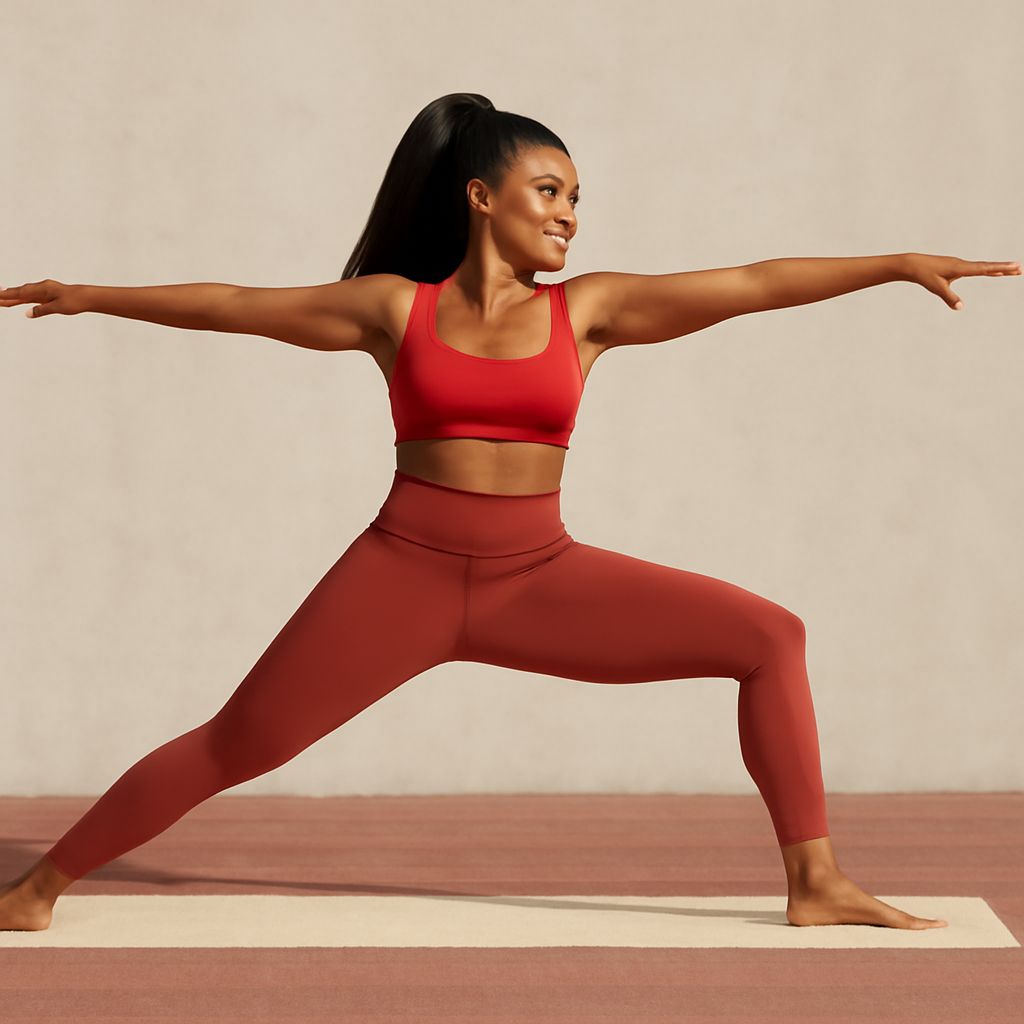
A common misconception about yoga flow is that it is inherently gentle. Vinyasa, the style most people mean when they say flow yoga, can be as physically demanding as interval training when sequenced properly. Up yoga sequences that continuously transition through standing poses and sun salutations maintain a heart rate of 120–140 bpm for extended periods, which qualifies as moderate-intensity aerobic exercise by American Heart Association standards. The meditative quality of flow comes from moving with breath, not from low intensity. Yoga ohm practices add vocal resonance to breath work, and research from the University of Toronto suggests that extended vocalization during exhale activates the vagus nerve more effectively than silent breathing alone.
People also underestimate how much yoga muscles work during flowing sequences. A single chaturanga dandasana, the yoga push-up transition used in most sun salutations, loads the pectorals, triceps, anterior deltoids, and serratus anterior simultaneously under bodyweight resistance. Repeated transitions in a sixty-minute class can total forty to sixty chaturanga repetitions, which equals a meaningful tricep and chest training volume. American yoga culture tends to emphasize the spiritual and mental benefits of practice in marketing while downplaying the genuine physical strength training that consistent flow practice produces. Both are real. Neither cancels the other.
Sequencing Principles That Make Flows Feel Connected
Linking Poses Through Breath and Transition Logic
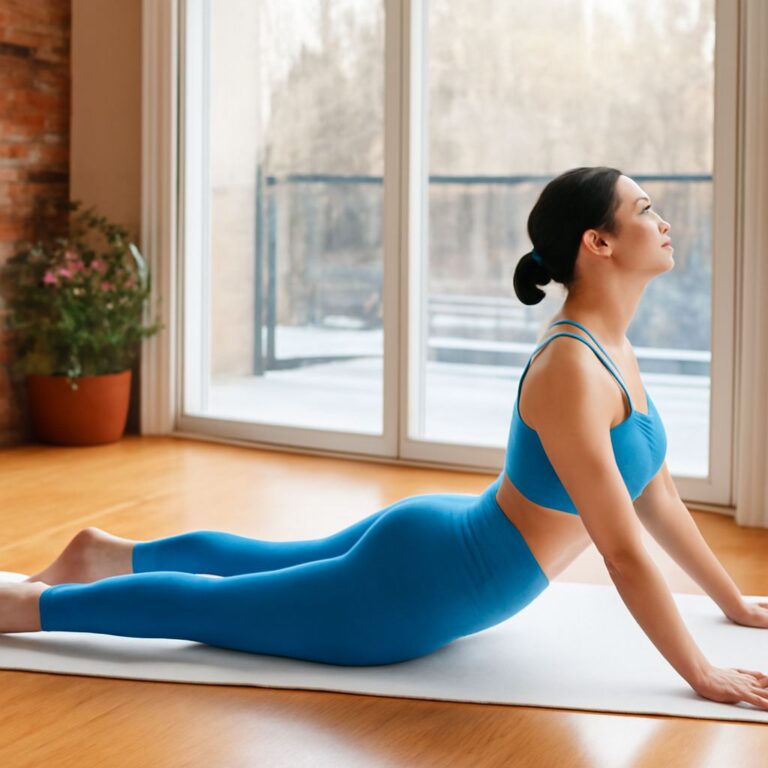
Every pose in a flow sequence connects to the next through a logical physical relationship. Hip-opening poses prepare the hip rotators for warrior sequences. Backbend preparation, such as sphinx or cobra, precedes full wheel or camel. Forward folds counterbalance backbends. When you understand these relationships, you can design sequences that feel inevitable rather than arbitrary. The body moves willingly through a well-sequenced flow because each pose makes the next one easier to access.
Breath timing structures the sequence beyond just linking movement. Inhales typically accompany expansive movements: lifting, lengthening, opening. Exhales accompany contracting movements: folding, twisting, lowering. When breath and movement align perfectly, the practice enters a state that practitioners describe as effortless effort. The breathing mechanism itself becomes the engine of the sequence rather than a layer added on top of movement.
Transition poses, the shapes you move through between main postures, determine the difficulty and feel of a sequence as much as the peak poses themselves. A transition through downward dog before each warrior provides a partial rest and hip reset. A direct transition from warrior I to warrior III with no downward dog in between demands far more hip stability and proprioceptive control. Designing transitions intentionally is the mark of an experienced teacher rather than one who strings together popular poses without considering how the body moves between them.
Peak pose planning works backward. Identify the most demanding posture you want to include: a deep backbend, an arm balance, or an advanced inversion. Then work backward through the prerequisite preparations. A crow pose sequence might run: wrist warm-up, plank holds, chaturanga practice, boat pose for core activation, squat pose for hip flexion, and then crow. Each preparation addresses a different physical requirement of the peak pose.
Strength Training Through Consistent Flow Practice
The muscles most trained in a consistent vinyasa flow practice are the ones yoga marketing least often mentions: the serratus anterior, the rotator cuff stabilizers, the deep hip stabilizers, and the spinal erectors. These muscles work isometrically throughout most flow sequences, maintaining positions while the prime movers like the quadriceps and hamstrings work dynamically.
Chanting and vocal toning, from the tradition of yoga ohm practice, works as a recovery tool between intense flow sections. Two minutes of sustained resonance vocalization after a demanding standing sequence lowers heart rate faster than silent rest at the same duration. The vagal tone activation from extended exhale vocalization produces a measurable shift in heart rate variability within sixty seconds of sustained practice.
Balancing strength and flexibility in a flow program requires tracking both. Document your maximum hold time in plank and side plank each month. Document your forward fold depth. Track how many chaturanga push-ups you can complete with full control versus sinking through the pose uncontrolled. These metrics reveal whether your practice is producing proportionate development or developing flexibility at the expense of stability.