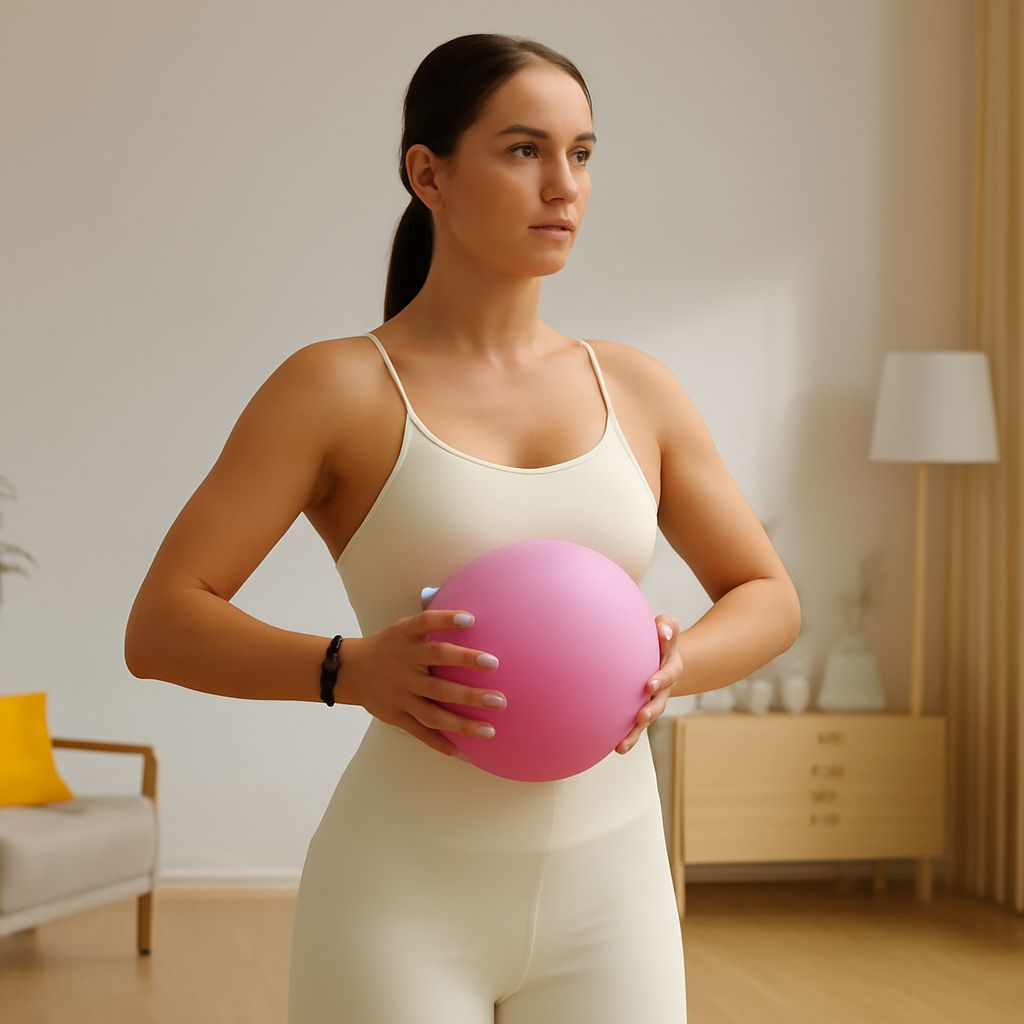
The assumption that Pilates requires expensive reformer machines keeps many people from starting. Most of the foundational work in Pilates uses a pilates ball, a mat, and your own bodyweight. The small inflatable ball, typically nine to ten inches in diameter, places between the thighs, behind the knees, or under the lumbar spine to create proprioceptive feedback and targeted resistance that changes how your core and stabilizing muscles engage. Barre pilates fuses classical Pilates principles with ballet-inspired isometric holds at a wall-mounted bar, giving you the combined benefits of both methods without needing a reformer or a dance background.
Equipment choices beyond the ball also matter. Pilates shoes or grip socks keep feet stable during footwork sequences on a mat or reformer. Pilates stretches done after a session with a resistance band or strap accelerate flexibility development that mat work alone produces slowly. A pilates stick, sometimes called a magic circle substitute, adds spring resistance to arm and inner-thigh work without requiring a reformer spring mechanism. These tools are inexpensive and portable. They make Pilates genuinely accessible for home practice rather than studio-only training.
How the Pilates Ball Changes Core Training
Placement, Pressure, and Proprioception
Between the inner thighs during bridging, the ball creates adductor engagement that prevents the knees from dropping outward. This engagement recruits the pelvic floor and deep core simultaneously, which is exactly the activation pattern Pilates training targets. Squeeze the ball at 30% effort rather than maximum effort. Maximum adductor squeeze shifts focus to the outer hip and reduces core involvement rather than increasing it.
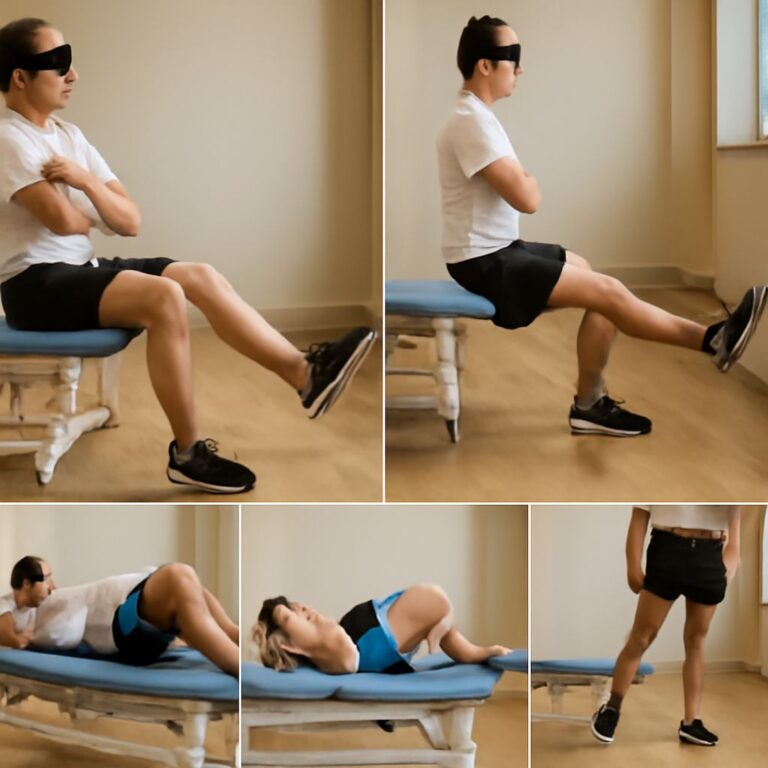
Behind the knees during supine leg lifts, the ball cues hamstring and gluteal co-contraction. Lie on your back with knees bent, place the ball behind both knees, and squeeze gently as you extend one leg. The ball prevents the other knee from dropping as the opposite hip flexor works. This setup challenges single-leg stability more effectively than a standard leg lift with no cue for the opposing limb.
Under the lumbar spine in supported bridge, the ball provides proprioceptive input about spinal position. Your lumbar should curve slightly away from the ball surface. If you flatten the spine into the ball, the feedback is immediate. This teaches neutral spine faster than verbal instruction alone because the body receives direct tactile information rather than relying on internal proprioception that many practitioners cannot accurately access at the start of their training.
Inflating the ball correctly affects its function significantly. An under-inflated ball compresses too much under body weight and reduces the proprioceptive feedback. A firm but slightly pliable ball with about 80% inflation provides the best combination of tactile feedback and controlled resistance. You should feel the ball surface when you engage against it without the ball collapsing flat.
Pilates Stretches, Barre Fusion, and Footwear Choices
Barre Pilates classes typically run forty-five to sixty minutes and alternate between standing barre work, mat Pilates, and floor stretching. The barre section uses small-range isometric pulses at the hip abductors and external rotators. The Pilates section targets deep core and scapular stability. The stretch section opens the hip flexors, hamstrings, and thoracic spine that the previous two sections worked under load. This sequence logic mirrors the prepare-work-restore pattern of a complete training session.
Pilates-specific footwear is worth understanding before your first studio class. Most reformer studios require grip socks for hygiene reasons and safety on the carriage. Silicone-grip socks provide the feedback and stability you need during footwork series. Barefoot practice on a mat is fine at home. Some barre studios allow soft ballet slippers for standing work but require grip socks for floor sequences. Check the studio policy before assuming your regular athletic shoes are appropriate.
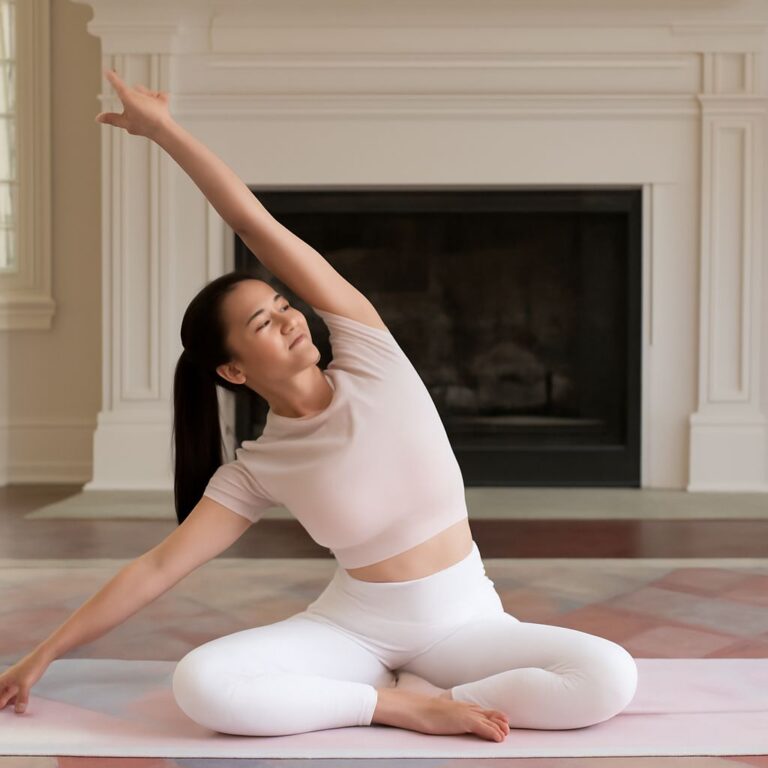
Post-session pilates stretches target the primary muscles worked: hip flexors, inner thighs, hamstrings, and the deep spinal rotators. A sixty-second low lunge after bridging work stretches the hip flexors that isometric holds keep contracted. A seated butterfly stretch after adductor ball work releases the inner thigh and groin. These stretches take eight to ten minutes total and significantly reduce next-day soreness compared to ending the session abruptly after the final exercise.
Next steps: Buy a nine-inch inflatable Pilates ball and one set of grip socks before your next mat session. Try the ball between the knees during every bridging exercise for two weeks and notice whether your core engagement changes. Add one standing barre segment of ten minutes before your next Pilates session to experience the combined training stimulus.