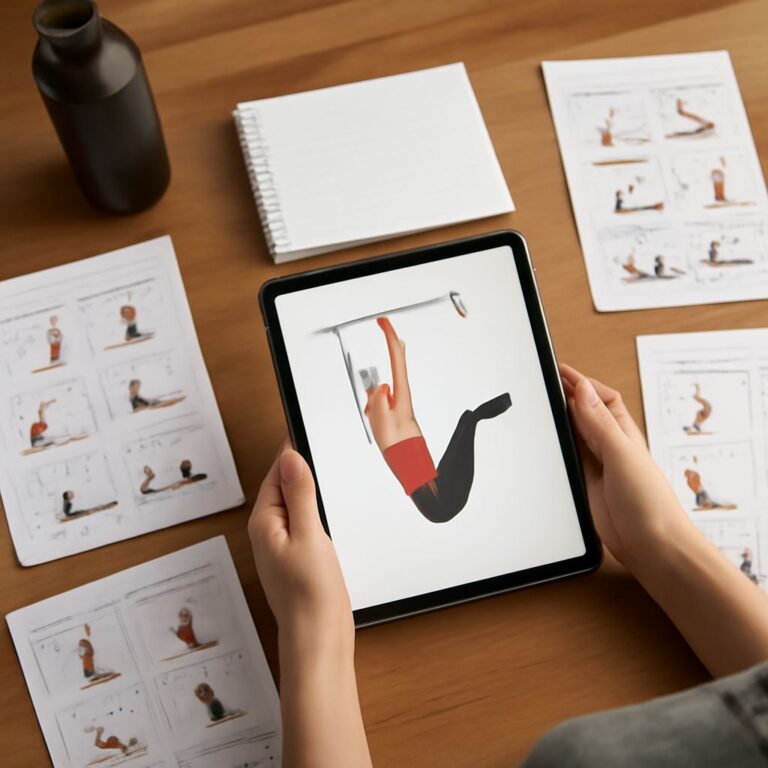
Most new practitioners approach yoga poses names as an obstacle rather than a tool. The Sanskrit naming system feels intimidating at first. But understanding even twenty core names transforms how you follow class cuing and how you research poses independently. When a teacher calls “Virabhadrasana II,” recognizing it immediately as Warrior II means you set your feet correctly before the verbal alignment cue arrives. That half-second advantage translates to better positioning throughout the hold. Names of yoga poses in Sanskrit also carry the myth or story associated with the posture, which connects the physical shape to its original teaching context.
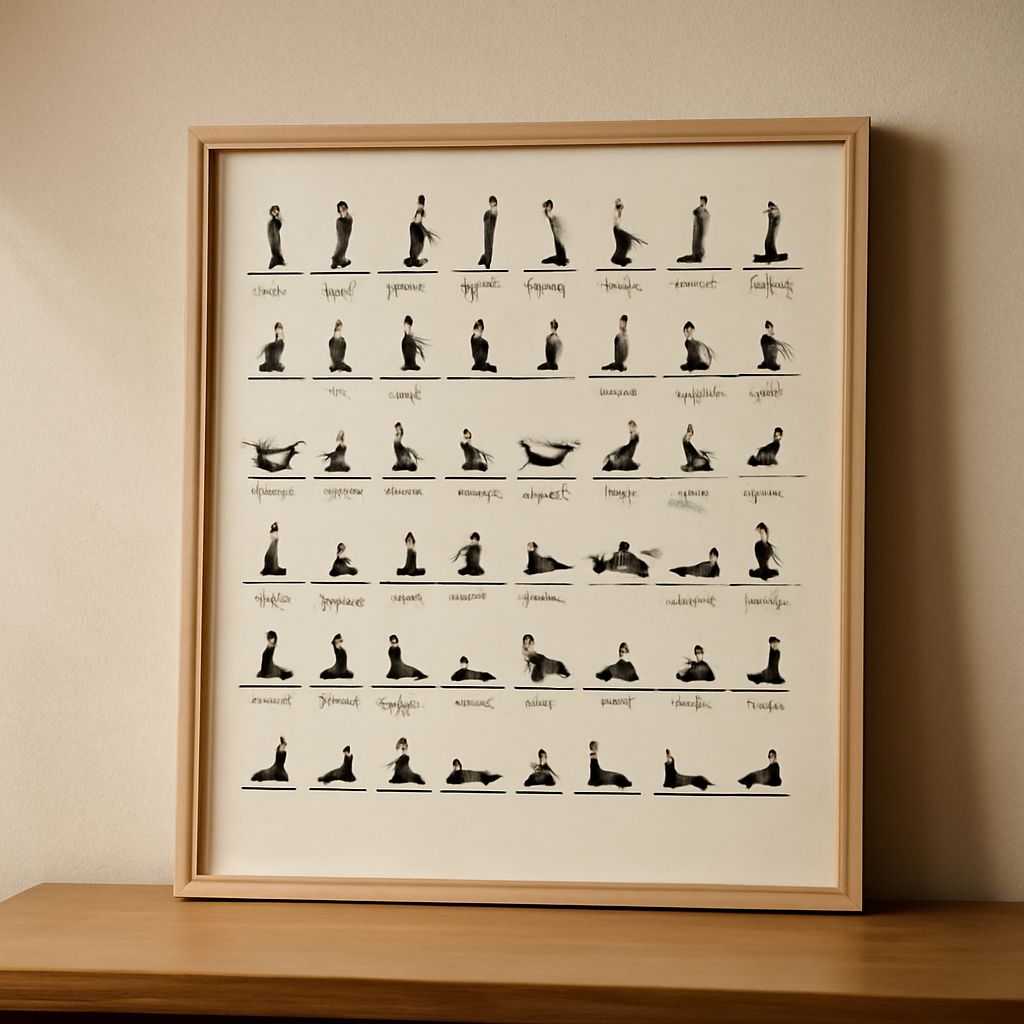
People searching for all yoga poses in a single list often feel overwhelmed by results showing hundreds of postures. The Yoga Korunta, an ancient text referenced by Krishnamacharya, reportedly contained thousands of asanas. Most contemporary practices draw from a working vocabulary of sixty to one hundred poses. A practical yoga poses list for a home practitioner needs only thirty to forty postures to build complete, balanced sessions. Similarly, a basic yoga asanas list organized by category, standing, seated, prone, supine, inversions, and arm balances, allows you to construct any sequence without knowing every pose that exists.
Core Poses Every Practitioner Should Know by Name
Standing and Balance Poses in Sanskrit and English
Tadasana is Mountain Pose. You stand with feet together or hip-width apart, arms at the sides, weight evenly distributed across all four corners of each foot. It appears simple but contains precise actions: lifting the inner arches, drawing the thigh muscles up, lengthening the tailbone down, and broadening the collarbones. Every standing pose in the sequence returns to Tadasana as a reset point.
Vrksasana is Tree Pose. One foot presses into the inner thigh of the standing leg, arms overhead or at heart center. The standing-leg hip and the bent-leg hip face the same direction. Balance work in this pose trains the stabilizing muscles of the ankle and hip simultaneously, which transfers directly to everyday walking on uneven surfaces.
Uttanasana is Standing Forward Fold. Feet hip-width apart, hinge from the hips, release the crown of the head toward the floor. Bend the knees as much as needed to allow the spine to release rather than round. This pose decompresses the lumbar spine and lengthens the hamstrings when practiced with hip-hinging mechanics rather than spinal rounding.
Virabhadrasana I is Warrior I. Front knee bends to 90 degrees directly above the ankle. Back foot at 45 degrees. Hips square toward the front. Arms overhead with the biceps near the ears. This requires simultaneous hip flexion, hip extension, and thoracic extension, which makes it one of the more demanding postures for people with hip flexor tightness.
Seated, Supine, and Inversion Poses: The Rest of Your Core Vocabulary
Dandasana is Staff Pose. Sit with legs extended, feet flexed, hands pressing the floor beside the hips. The spine lifts actively. This is the seated equivalent of Tadasana and the starting position for most seated forward folds and twists.
Paschimottanasana is Seated Forward Fold. From Dandasana, hinge at the hips and reach toward the feet. Bend the knees if the hamstrings resist. The goal is a long, extending spine rather than a rounded back. Many practitioners round extensively and call it a forward fold when it is actually a back stretch in disguise.
Setu Bandha Sarvangasana is Bridge Pose. Lie on your back, feet flat, knees bent. Press the feet down and lift the hips until the thighs are parallel to the floor. Activates the glutes, hamstrings, and spinal extensors. A supported version with a block under the sacrum provides passive hip extension without muscular effort, which is useful for restorative practice.
Sirsasana is Headstand. Weight distributed across the forearms and the crown of the head, legs extended straight overhead. This requires significant shoulder and core strength before the neck can safely bear any load. A competent teacher should assess your shoulder and core readiness before you attempt this inversion.
Bottom line: Learn Sanskrit and English names together from the start. A list of thirty poses with both names, organized by category, covers everything you need for a year of consistent home practice. The vocabulary reduces confusion in class and in self-directed study simultaneously.