People often assume that printable kettlebell workouts and yoga are completely separate systems with no useful overlap. They are wrong. Kettlebell training and therapeutic yoga address opposite ends of the same movement spectrum: one builds strength under load while the other restores mobility and reduces chronic tension. Using both in a weekly structure produces outcomes that neither approach achieves alone. Dancers particularly benefit from this combination. Chair yoga for seniors printable guides also serve as starting points for anyone managing pain or returning from injury who needs a visual cue sheet rather than a video they cannot pause easily.
The therapeutic applications are specific. Yoga for dancers addresses the hip flexor overuse, ankle instability, and thoracic rigidity common in classical and contemporary dance training. Yoga for pain management draws from research showing that mindful movement, breath work, and progressive gentle loading reduce chronic pain perception more effectively than rest alone. A pilates ball chair, which is an inflatable ball used as a seat substitute, encourages active sitting posture and reduces lumbar compression during the hours you are not actively practicing. These tools all share the same principle: small, consistent interventions produce cumulative structural change over time.
Building a Combined Strength and Therapeutic Practice
Structuring Kettlebell and Yoga Sessions Across the Week
Alternate kettlebell sessions with yoga sessions rather than stacking them on the same day until you understand how your body recovers from each. A Monday-Wednesday-Friday kettlebell structure with Tuesday-Thursday yoga sessions gives each approach its own recovery window. This prevents the fatigue from heavy lifting from compromising the quality of the restorative yoga work and prevents yoga-induced muscle relaxation from reducing the stiffness your nervous system uses to stabilize heavy loads.
A printable kettlebell workout for dancers should emphasize single-leg stability, hip hinge strength, and rotational power. Turkish get-ups build the hip and shoulder stability that prevents common dancer injuries at the ankle and rotator cuff. Single-leg Romanian deadlifts directly train the posterior chain under dance-relevant loading conditions. Windmills open the thoracic spine under load, which produces a different mobility stimulus than passive yoga stretching provides.
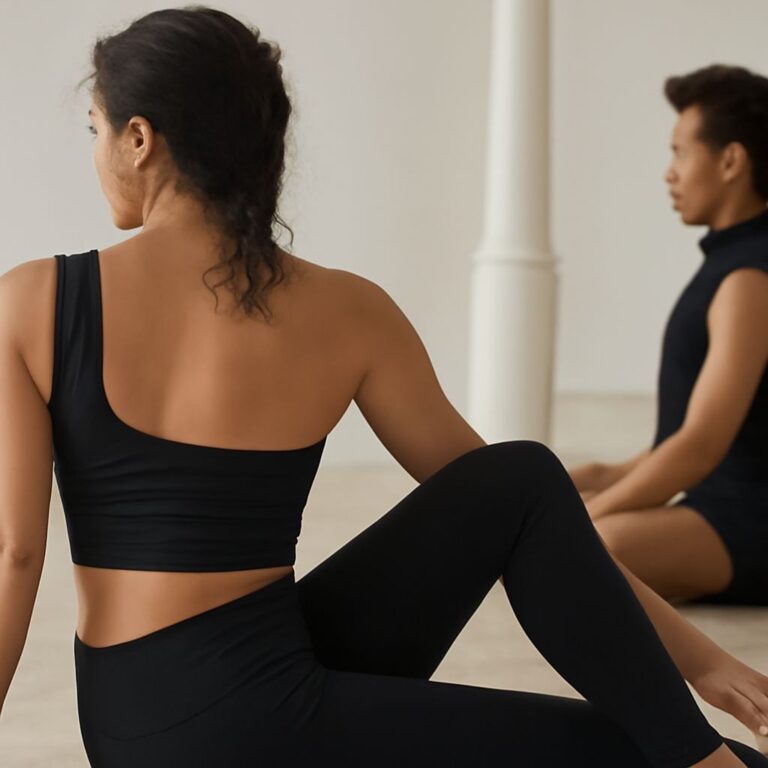
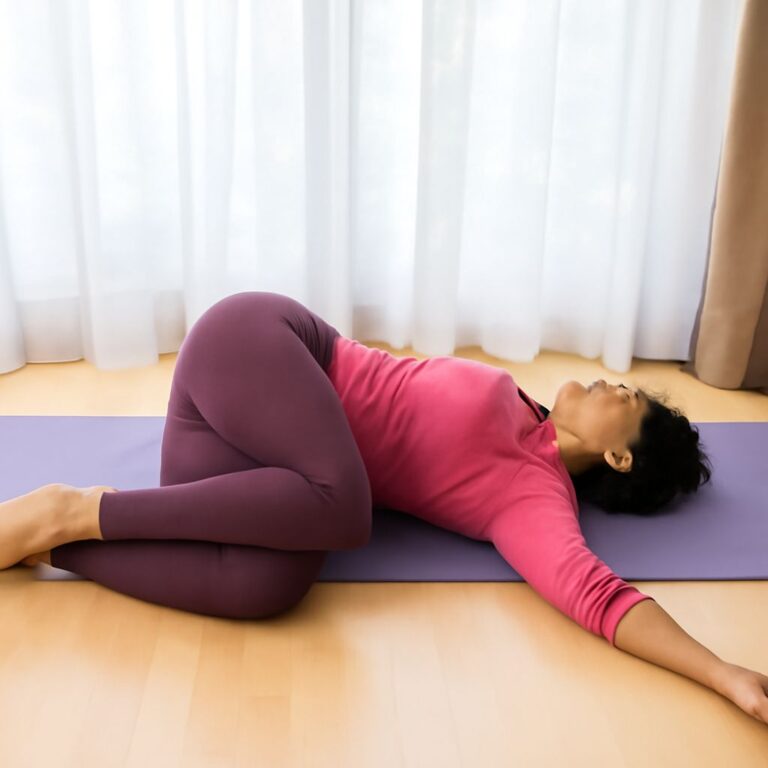
Yoga for dance recovery targets the muscle groups that kettlebell training loads most intensely. After a kettlebell session, twenty minutes of yoga targeting the hip flexors, hamstrings, and thoracic spine reduces next-day soreness and maintains the range of motion that heavy strength training tends to compress. Pigeon pose, supine hamstring stretch with a strap, and supported fish pose address all three areas efficiently within that twenty-minute window.
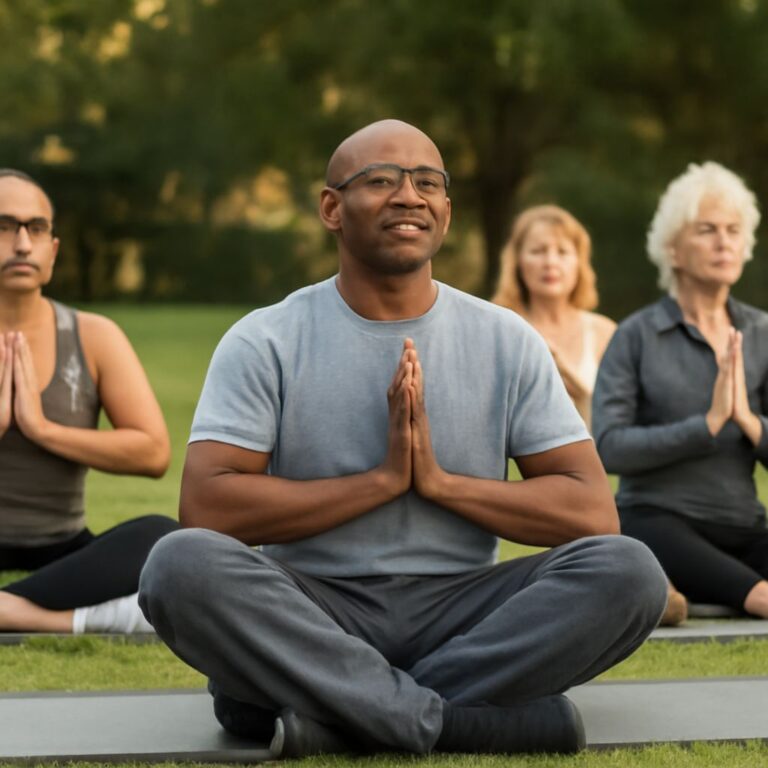
For practitioners managing chronic pain, start with chair yoga printable guides before progressing to floor-based sequences. Chair yoga allows you to work seated with full support while the body begins to tolerate progressive movement again. Consistent gentle movement, even ten minutes per day, reduces the central sensitization component of chronic pain over four to six weeks in ways that rest does not achieve. Document your pain levels before and after each session using a simple 1–10 scale so you can observe the trend rather than relying on single-day memory.
Using Yoga Tools for Dancers and Pain Management
Dancers need hip flexor restoration more urgently than most populations. Classical ballet training maintains chronic hip flexion that shortens the iliopsoas over years of practice. A sustained low lunge held for ninety seconds per side, done daily, begins to address this shortening within three to four weeks. Pair it with a prone quadriceps stretch for the rectus femoris portion that the lunge alone does not fully access.
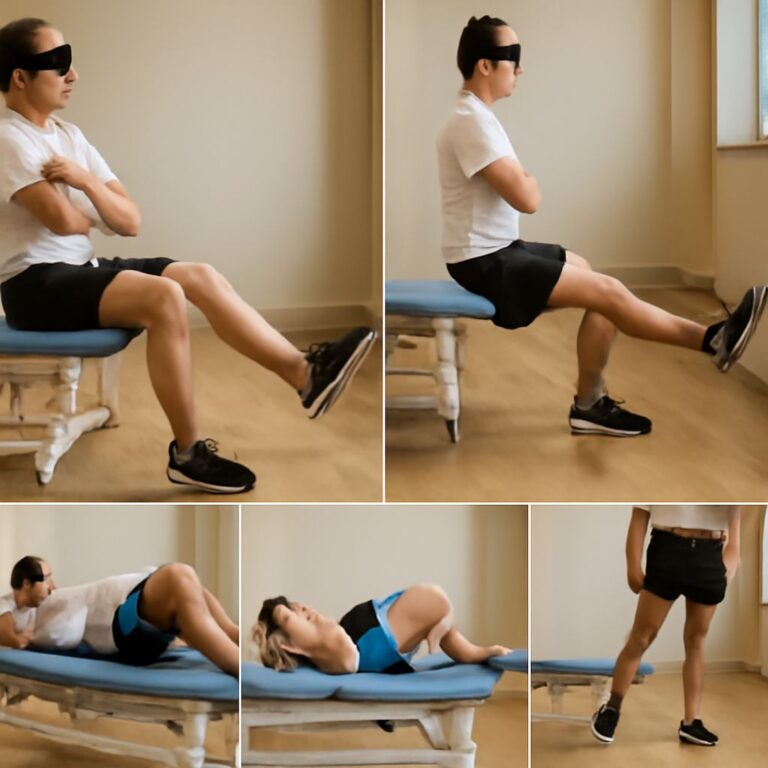
Ankle stability work in yoga targets the deep peroneal muscles and tibialis posterior that dance training often neglects. Single-leg balance in tree pose or warrior III trains these stabilizers under mild proprioceptive challenge. Progressing to balance on an unstable surface, like a folded blanket, increases the difficulty and the training stimulus for the ankle stabilizers that prevent the lateral ankle sprains common in dance populations.
A pilates ball chair used during desk work or study sessions maintains pelvic tilt awareness passively throughout the day. Sitting on a ball requires constant minor adjustments from the deep core stabilizers. This low-level activation keeps the lumbar extensors from shortening in fixed flexion positions that standard chair sitting promotes. Switch between a regular chair and the ball for thirty to forty-five-minute intervals rather than using the ball exclusively, which produces fatigue without proper core preparation.
Safety recap: If you are managing acute pain, consult a physical therapist before beginning kettlebell training. Use chair yoga printable guides as your starting point rather than floor sequences. Progress slowly and stop any movement that increases rather than reduces pain.