Spanish Squats: Mastering the Art of Squatting
Squats are often hailed as the king of all exercises, yet misconceptions about squatting techniques abound. Some believe squatting variations like Spanish squats and Zercher squats are niche, not realizing their broader applicability and benefits. Likewise, terms like kneeling squats and knee squats frequently get mixed up, leading to confusion in strength training circles. Surprisingly, even barefoot squats, which many might dismiss as impractical, are gaining traction for their unique advantages.
These squat variations offer more than meets the eye, providing invaluable contributions to your fitness routine. From enhancing strength to improving stability, they address a variety of physical fitness goals. So, let’s dive into the details and debunk the myths surrounding these squatting techniques.
Understanding Spanish Squats
Benefits of Spanish Squats
Spanish squats target your quadriceps with precision, engaging muscles in ways that traditional squats may not. Besides toning your legs, they improve your balance and coordination, crucial for advanced fitness. By integrating Spanish squats into your routine, you can enhance overall lower body strength without overwhelming your knees.
How to Perform Spanish Squats
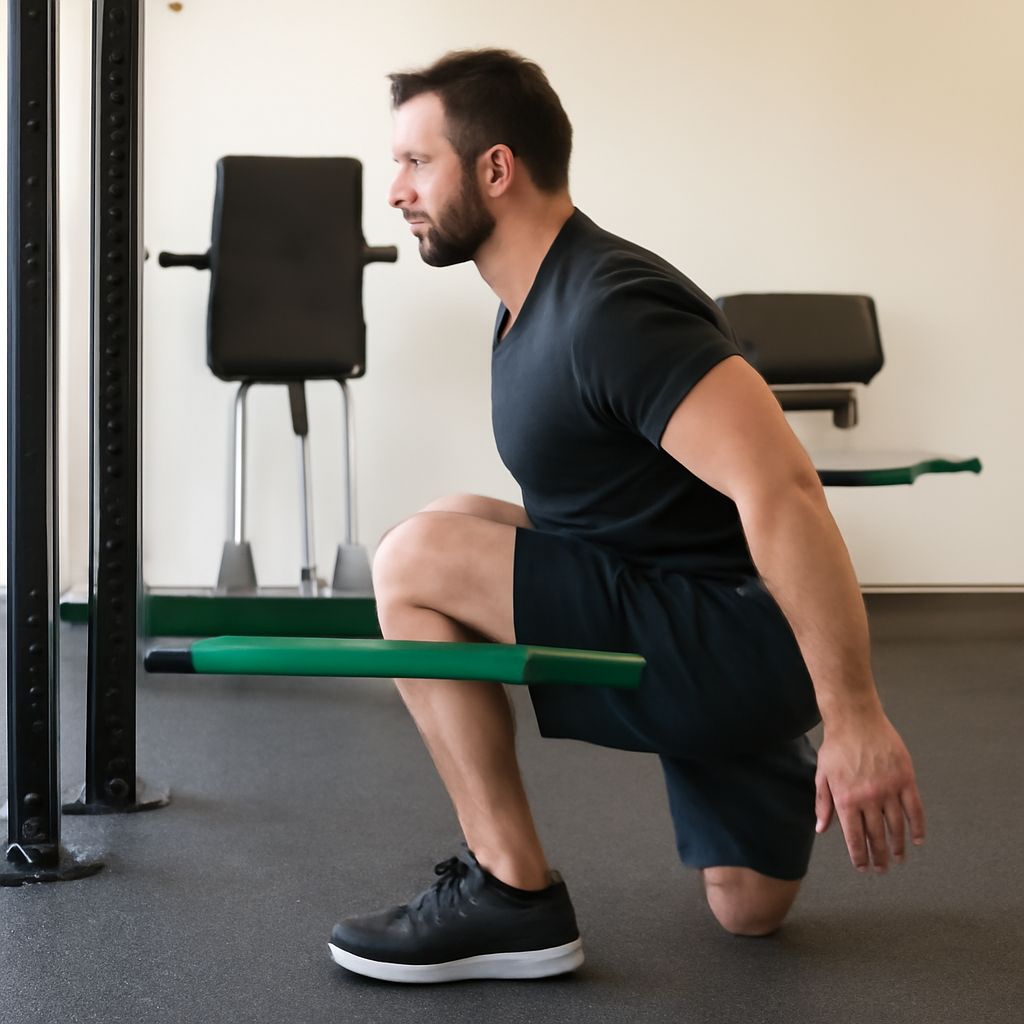
To execute a Spanish squat, loop a strong band around a secure anchor and position it behind your knees. As you squat, maintain tension on the band, ensuring your knees don’t extend past your toes. This technique refines your form, emphasizing stability and controlled movements.
Exploring Zercher Squats
Benefits of Zercher Squats
Zercher squats offer a unique challenge, engaging your core and upper body alongside your legs. By holding the bar in the crook of your elbows, you work muscles differently than in standard back squats. This variation is ideal for building total body strength and enhancing powerlifting capabilities.
Step-by-Step Guide to Zercher Squats
Begin with the barbell on a rack at waist height. Position it in the crook of your arms and step back, brace your core, and squat down. Your back should remain straight throughout the movement, focusing on depth and control.
Kneeling Squats for Beginners
Advantages of Kneeling Squats
Kneeling squats serve as an excellent introduction to squatting exercises, especially for newcomers. They minimize joint stress, allowing you to concentrate on your technique. This squat form is particularly advantageous for mastering balance and form without the pressures of standing squats.
Common Mistakes to Avoid
One frequent error with kneeling squats is improper knee placement, which can lead to discomfort or injury. Ensure your knees are aligned with your hips, and avoid leaning too far forward or backward. Consistent practice will help correct these mistakes.
Incorporating Knee Squats
Benefits for Joint Health
Knee squats prioritize joint health, making them suitable for individuals recovering from injury or those with knee concerns. They reduce strain while still engaging your quadriceps and hamstrings. Incorporate knee squats to maintain fitness while safeguarding your joints.
Technique Tips for Knee Squats
Focus on knee alignment and depth, avoiding excessive forward movement. Engage your core to support your form, and ensure a slow and steady pace throughout the exercise to maximize effectiveness and safety.
Benefits of Barefoot Squats
Improving Stability with Barefoot Squats
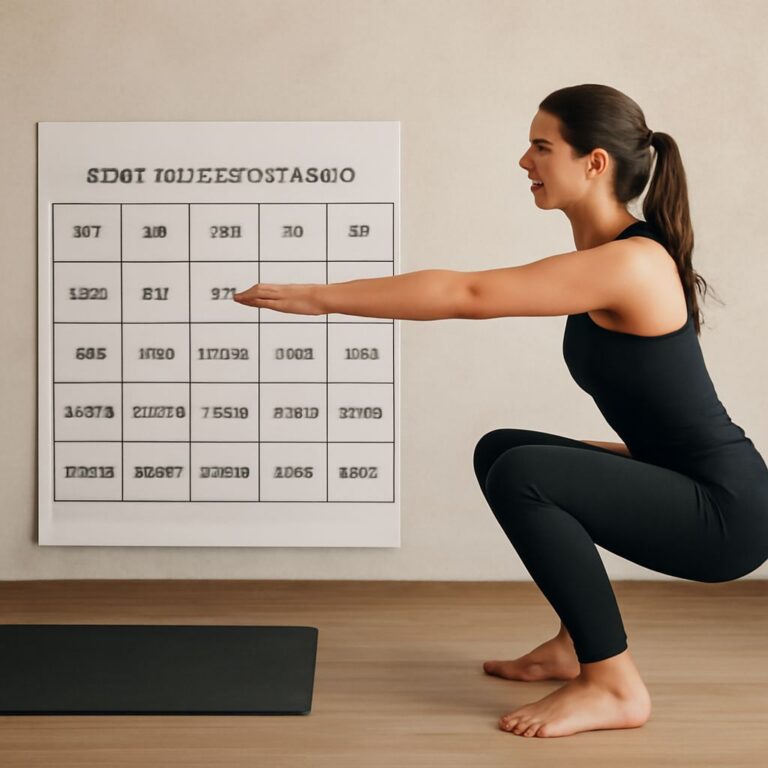
Barefoot squats enhance proprioception and stability by allowing your feet to grip the ground naturally. This variation improves muscle engagement and balance, offering a distinctive advantage over traditional squatting with shoes.
Safety Tips for Barefoot Squats
Safety is paramount when squatting barefoot. Ensure the floor is slip-resistant and your feet are clean to prevent accidents. Start with lighter weights, allowing your body to adapt to this new stance, as you gradually increase intensity.
Bottom line: Squat variations like Spanish squats and Zercher squats offer unique advantages, catering to diverse fitness goals. Incorporating kneeling squats, knee squats, and barefoot squats can enhance your strength training regimen, making it more effective and injury-resistant. Embrace these techniques to take your fitness journey to new heights.