Overhead Squats: Mastering Technique for Stronger Legs
Overhead squats, often perceived as daunting, are not just for seasoned athletes. Many fitness enthusiasts mistakenly believe they require immense strength, but proper technique is the true cornerstone of effective execution. Some also argue that focusing heavily on breathing while squatting is unnecessary or even counterproductive. However, integrating breathing squats into your routine can significantly enhance your squat performance, boosting airflow and stamina.
Moreover, after a session, you might find yourself wondering why your thighs hurt after squats. Understanding what typically should be sore and how to manage muscle soreness is crucial for recovery and continued progress. Embracing these insights can transform your approach to squats, paving the way for stronger legs and a more satisfying workout experience.
Understanding Overhead Squats
Benefits of Overhead Squats
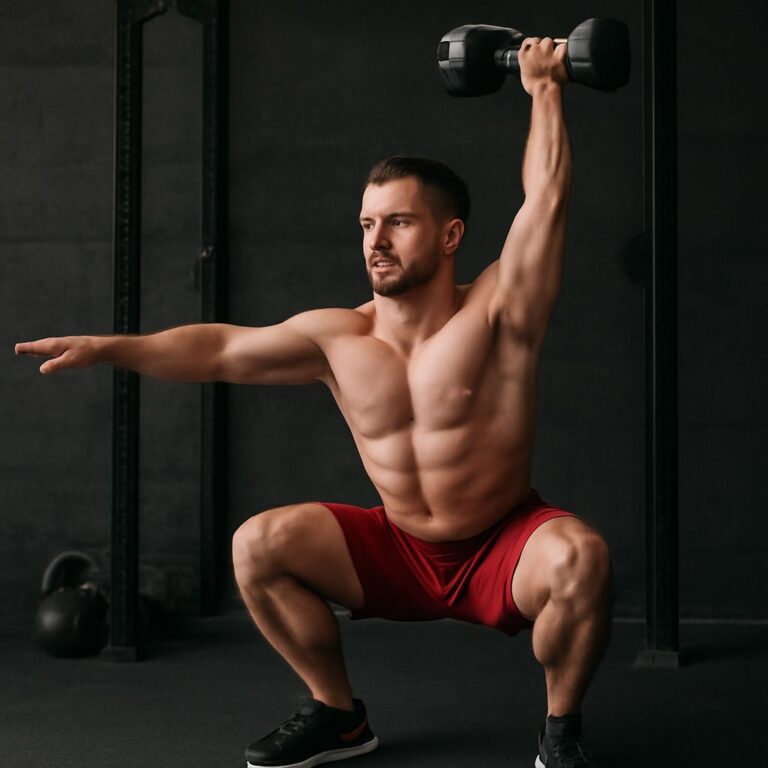
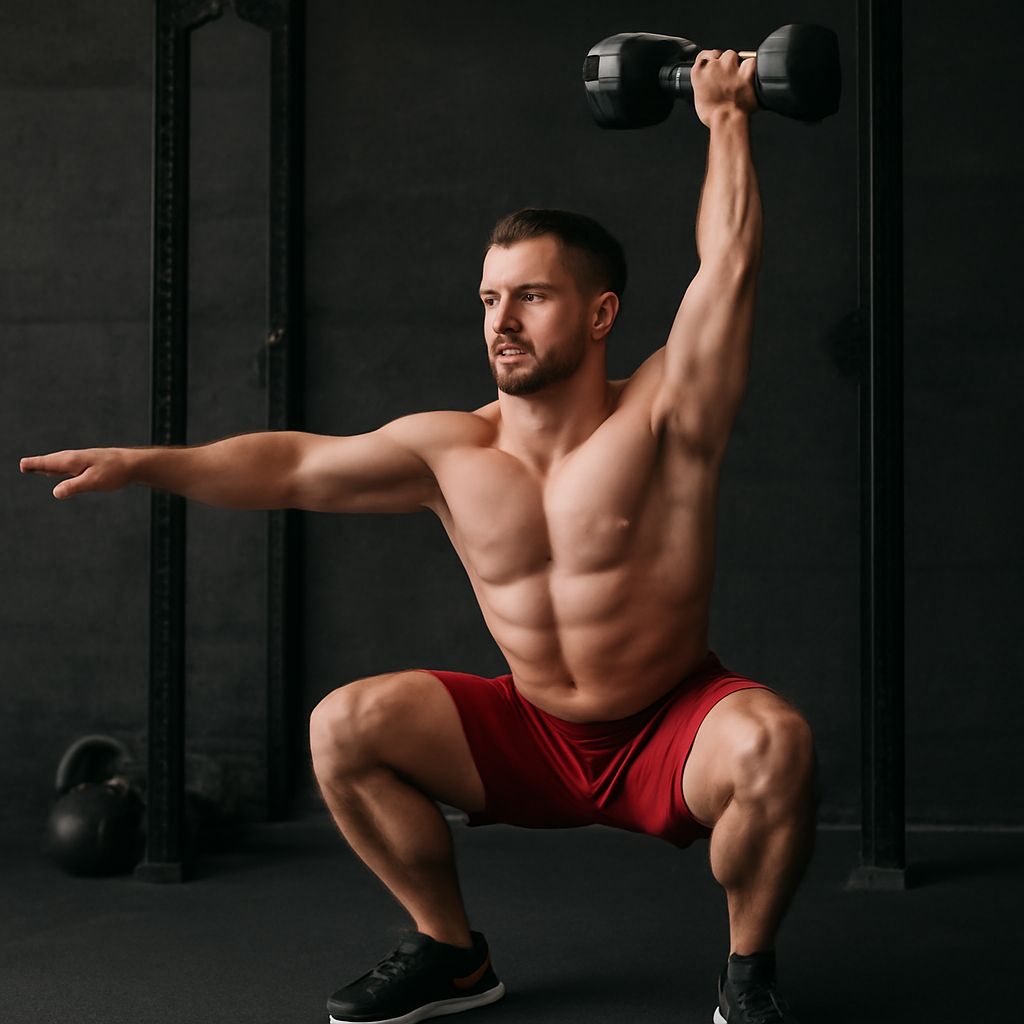
Overhead squats offer unparalleled advantages by engaging multiple muscle groups simultaneously. Unlike traditional squats, the overhead variation requires synchronization between your legs, core, and shoulders. This unique engagement helps in building a robust foundation, enhancing overall balance and coordination. Additionally, overhead squats challenge your body’s stability, which can lead to improved posture and a stronger lower body.
Proper Technique
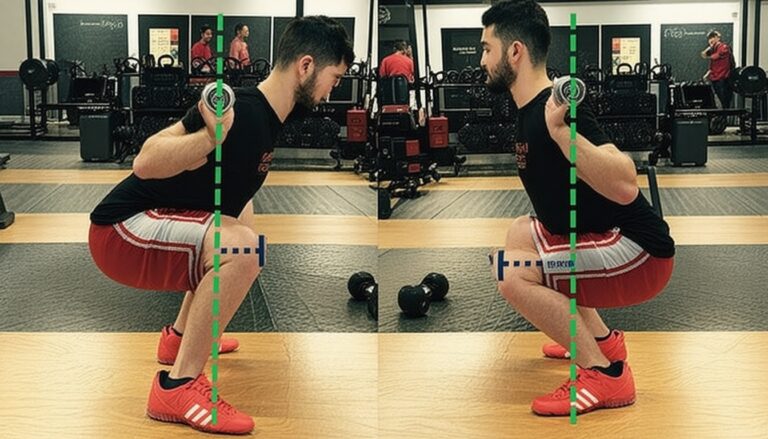
Executing overhead squats correctly involves maintaining form while managing the weight above your head. Start by positioning your feet shoulder-width apart, then extend your arms upward, holding the barbell firmly. It is essential to keep your core tight as you lower into the squat, ensuring your knees track over your toes. By focusing on these technical aspects, the risk of injury decreases, allowing for more effective strength gains.
Incorporating Breathing Squats
Importance of Breathing
Breathing squats emphasize the critical role of breath control during lifts. Proper breathing techniques can prevent unnecessary fatigue by optimizing oxygen intake. When you include controlled breathing into your squat routine, it aids in maintaining steady energy levels throughout each set. This approach also reduces the likelihood of dizziness or shortness of breath while lifting.
How to Perform Breathing Squats
To perform breathing squats, begin by inhaling deeply before initiating your squat. As you lower yourself, exhale slowly and consistently. This paced breathing method supports muscular endurance and keeps your movements fluid. Practicing breathing squats can gradually improve your lung capacity and efficiency, contributing to a more resilient squat performance.
Post-Squat Muscle Soreness
Why Thighs Hurt After Squats
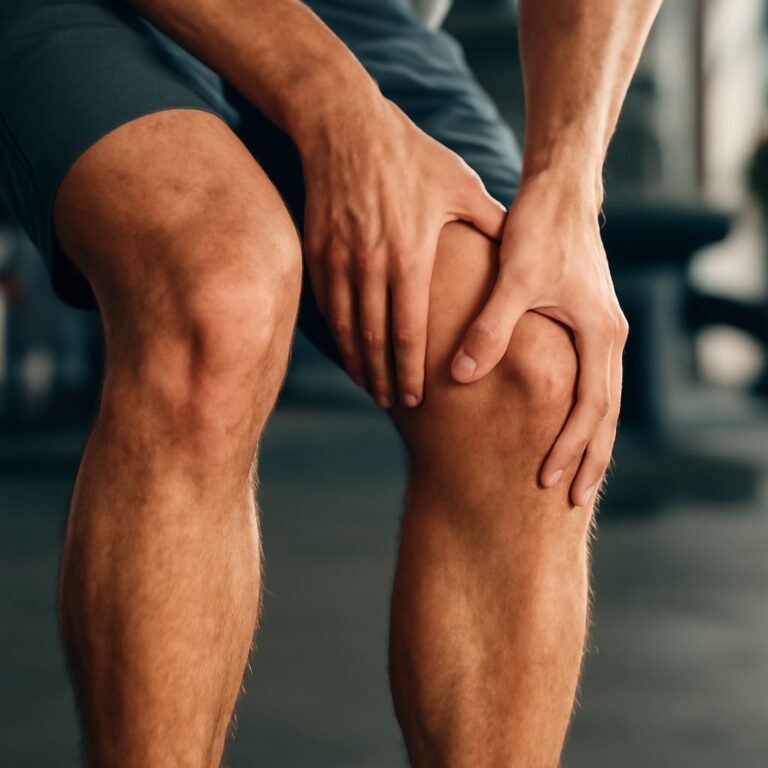
The sensation of soreness in the thighs following squats often stems from muscle exertion. When squatting, your quadriceps and hamstrings endure significant strain, leading to micro-tears in the muscle fibers. This is a normal physiological response, indicating muscle adaptation and growth. Nonetheless, it’s essential to distinguish between typical soreness and pain that might signal overtraining or incorrect form.
Legs Sore After Squats
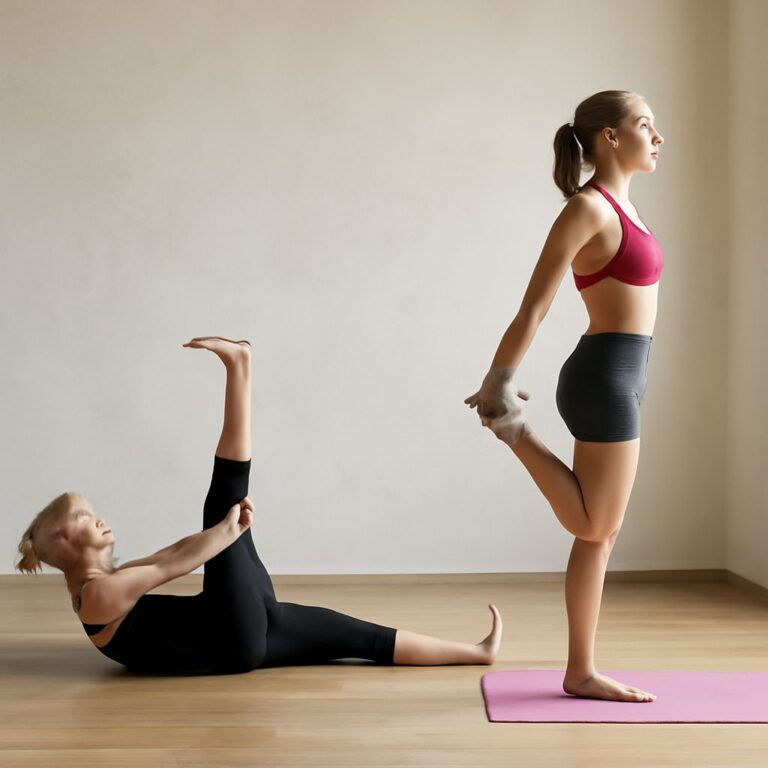
Feeling sore legs after squats is common and typically affects the calves, glutes, and lower back, alongside the thighs. This comprehensive soreness reflects the full-body nature of squats, highlighting their effectiveness. Ensuring adequate recovery time and employing post-exercise stretching can alleviate discomfort, facilitating smoother transitions between workout sessions.
What Should Be Sore After Squats
Expected Muscle Soreness
Post-squat soreness usually targets the major muscle groups engaged during the exercise. It is normal to experience tenderness in the quadriceps, hamstrings, and glutes. If soreness persists in areas not directly involved, it may indicate improper technique or overexertion. By refining your squat form and adjusting workout intensity, you can better manage these symptoms.
Managing Soreness
Effective management of soreness is vital for maintaining consistent fitness progress. Incorporating dynamic warm-ups, cooldowns, and regular stretching routines can significantly reduce recovery time. Additionally, staying hydrated and consuming a balanced diet rich in proteins and antioxidants can support muscle repair and ease soreness. Prioritizing these practices will enhance your body’s resilience, keeping you ready for each workout challenge.