Knee Pain from Squats: Causes and Solutions
Squats are often hailed as a cornerstone of an effective workout regimen, yet many fitness enthusiasts find themselves asking, “Why do my knees hurt after squats?” It’s a common misconception that knee pain during squats means you should avoid the exercise entirely. In reality, you can enjoy squats without knee pain by implementing the right strategies. Let’s delve into why squats might hurt your knees and how you can perform them pain-free.
Whether squats hurt your knees due to poor technique or underlying issues, understanding the cause is key. If your knee hurts after squats, it doesn’t necessarily spell the end of your fitness journey. Instead, it’s an opportunity to adjust your approach and strengthen your workout routine.
Understanding Knee Pain from Squats
Common Causes of Knee Pain
Knee pain during squats typically arises from improper form, overuse, or muscle imbalance. The stress placed on your knees can lead to discomfort if not managed correctly. When your squat form is off, the pressure doesn’t distribute evenly, which can make your knee hurt after the workout.
How Squats Affect Your Knees
Squats are a compound exercise, meaning they work multiple muscle groups, including those around your knees. If squats hurt your knees, it might be due to excessive forward knee movement or poor ankle mobility. Both can contribute to unnecessary strain.
Prevention Techniques for Knee Pain
Proper Squat Form
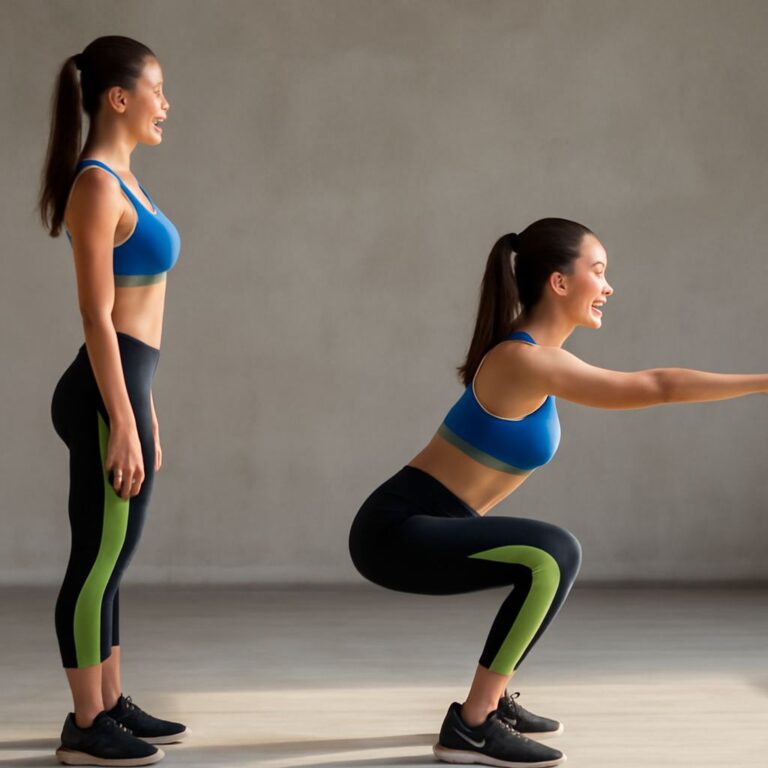
Ensuring correct form is crucial for preventing knee pain during squats. Focus on keeping your knees aligned with your toes and avoid letting them extend too far past. This attention to detail can significantly reduce knee strain.
Strengthening Supporting Muscles
Building strength in surrounding muscles helps protect your knees. Incorporate exercises that target the quadriceps, hamstrings, and glutes. By strengthening the muscles that support your knees, you create a natural brace that can alleviate pain.
Treatment Options for Knee Pain
Immediate Relief Strategies
If your knee hurts after squats, consider applying ice and elevating your leg to reduce swelling. Rest is also key in allowing your body to heal, so don’t rush back into workouts prematurely.
Long-term Solutions
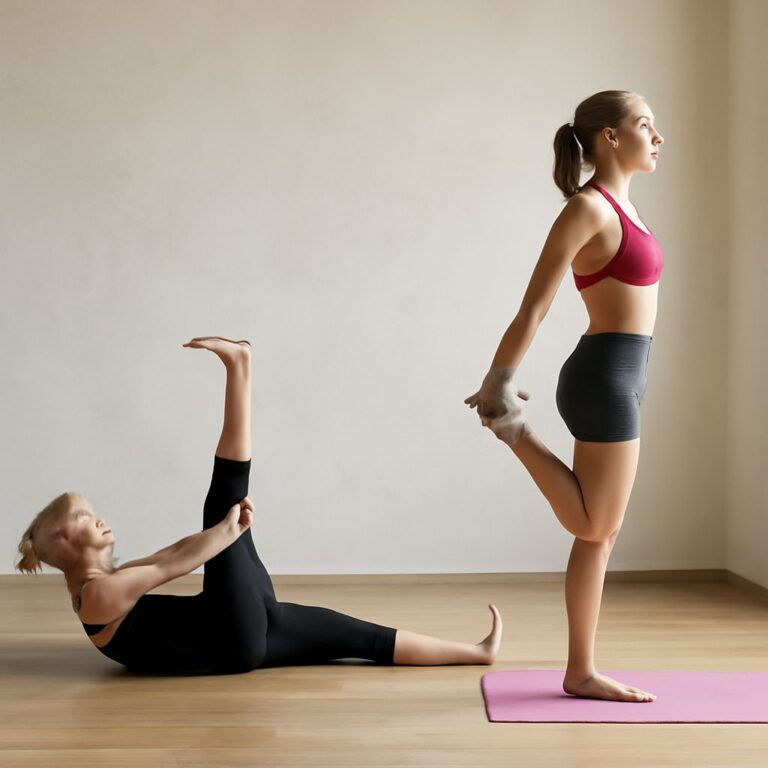
For ongoing knee issues, consider adopting a stretching routine and integrating low-impact activities like swimming. This approach aids in maintaining flexibility and reducing stress on your knees over time.
When to Consult a Professional
Signs of Serious Injury
While occasional pain is common, persistent or severe pain may indicate a more serious condition. Signs such as swelling, redness, or instability warrant further investigation.
Seeking Medical Advice
If preventive and corrective actions don’t ease the pain, consulting a physical therapist or a healthcare professional can provide personalized guidance. They can help diagnose any underlying issues and offer tailored treatment plans.
Pro tips recap: To prevent knee pain from squats, focus on proper form, strengthen supporting muscles, and introduce a diverse workout routine. If pain persists, don’t hesitate to seek professional advice to ensure a safe and effective fitness journey.