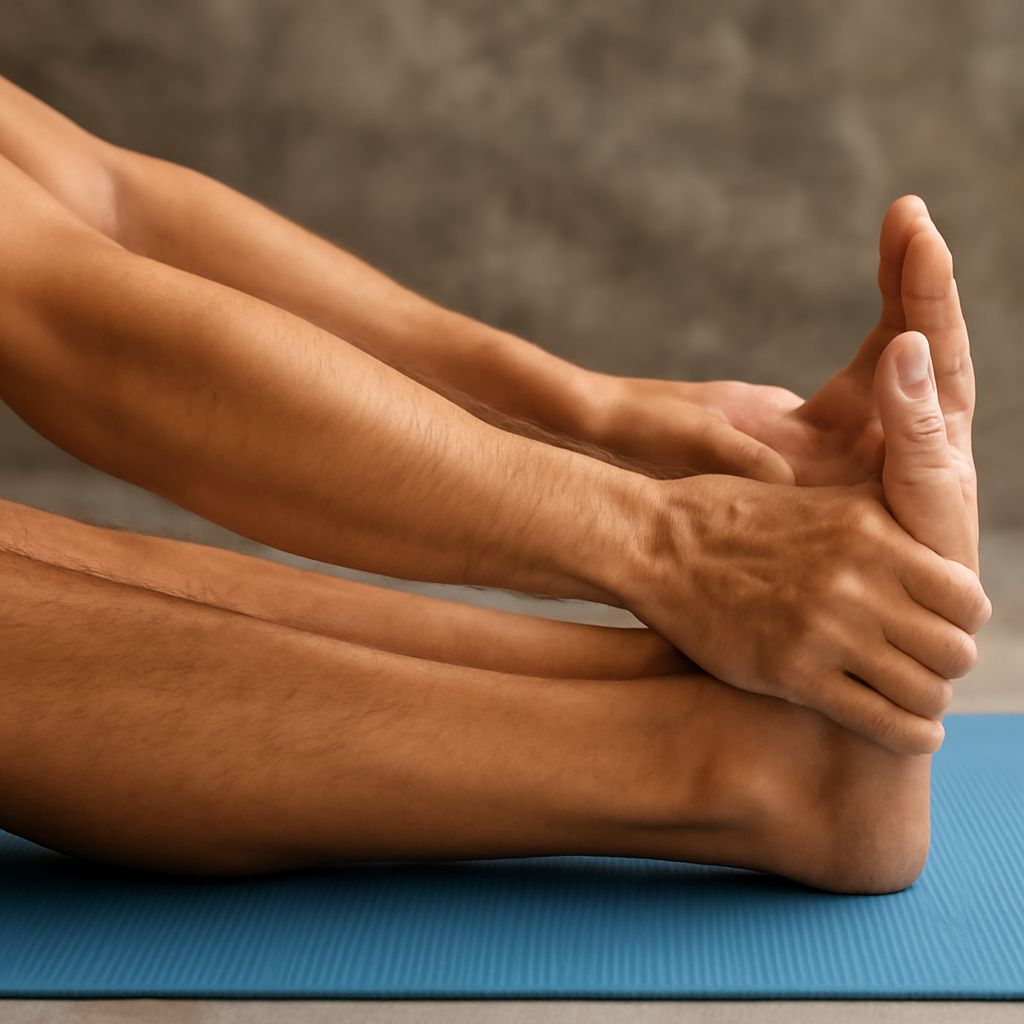
Yoga for Plantar Fasciitis: Relieve Your Foot Pain
Many people believe that yoga is only for flexibility or relaxation, but the truth is, it offers a wide array of benefits, including relief from chronic pain. Foot yoga, often overlooked, can be a powerful tool for managing foot pain, specifically plantar fasciitis. This condition, which causes discomfort in the heel and foot, can benefit greatly from the gentle, targeted stretches and strengthening exercises that yoga provides.
While some might dismiss yoga as just another fitness fad, research and countless testimonials have shown that practicing yoga for plantar fasciitis can significantly reduce pain and improve mobility. By incorporating specific yoga poses into your routine, you can target the root causes of the pain, promoting healing and long-term relief.
Understanding Plantar Fasciitis
What is Plantar Fasciitis?
Plantar fasciitis involves inflammation of the plantar fascia, a thick band of tissue running across the bottom of the foot, connecting the heel bone to the toes. It is one of the most common causes of heel pain, often resulting from strain and overuse. This type of foot pain can be debilitating, impacting daily activities and overall quality of life.
Common Causes and Symptoms
The development of plantar fasciitis often stems from repetitive stress on the heel and foot. Common causes include prolonged standing, high-impact activities, and improper footwear. Symptoms typically include stabbing pain, especially during the first steps in the morning or after prolonged periods of rest. It’s essential to address these symptoms early to prevent further complications.
Benefits of Yoga for Foot Pain
How Yoga Helps with Plantar Fasciitis
Yoga provides a holistic approach to alleviating foot pain through its emphasis on stretching and strengthening. It can help improve flexibility in the foot and ankle region, reducing tension in the plantar fascia. Additionally, yoga promotes body awareness, leading to better posture and gait, which further alleviates stress on the feet.
Foot Yoga Techniques
Foot yoga involves specific techniques focusing on the muscles and tendons of the feet. Poses like downward-facing dog and heel raises can be particularly beneficial. These techniques aim to lengthen and strengthen the foot arch, minimizing flare-ups of plantar fasciitis.
Effective Yoga Poses
Top Poses for Plantar Fasciitis
Several yoga poses are especially effective in managing plantar fasciitis. The standing forward bend and seated toe stretch are excellent for stretching the plantar fascia. Meanwhile, the tree pose and warrior III help build strength and improve balance, providing additional support for the feet.
Modifications and Tips
To maximize the benefits of yoga for plantar fasciitis, consider using props such as yoga blocks and straps. These tools can aid in achieving proper alignment and preventing strain. Modifications like bending the knees slightly in stretches can also help accommodate varying levels of flexibility and foot pain severity.
Creating a Yoga Routine
Incorporating Yoga into Daily Life
To effectively manage plantar fasciitis, it’s crucial to integrate foot yoga into your daily regimen. Begin with short, consistent sessions that gradually increase in duration as your comfort and ability improve. Consistency is key in harnessing the long-term benefits of yoga for foot pain relief.
Listening to Your Body
While practicing yoga, it’s important to listen to your body. If a pose causes discomfort or pain, modify or skip it. The goal is not to push through pain but to find a balance that supports healing and recovery.
Precautions and Considerations
When to Avoid Yoga
While yoga is beneficial, there are times when it’s best to avoid certain poses or practices, especially if they exacerbate foot pain. Acute injuries or severe flare-ups of plantar fasciitis may require rest and professional treatment before resuming a yoga practice.
Consulting with Professionals
Before starting a new yoga regimen for plantar fasciitis, it’s advisable to consult with healthcare professionals. A physical therapist or a certified yoga instructor can provide personalized guidance, ensuring that the practice is safe and effective for your specific condition.