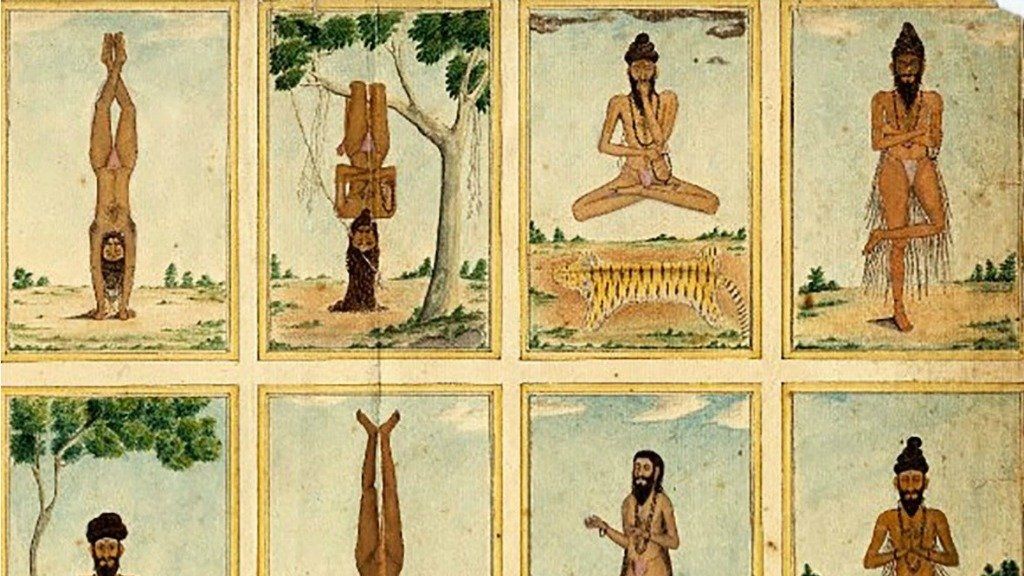
Hatha Yoga Pradipika: The Classic Text Behind Modern Hatha Practice
The hatha yoga pradipika is often described as ancient and inaccessible — a Sanskrit relic relevant only to scholars. That’s a misconception worth correcting. Written in the 15th century by Swami Swatmarama, this foundational text describes practices that modern yoga studios teach every single day, often without realizing the source.
Saraswati yoga lineages have preserved and transmitted these teachings across generations, keeping the pradipika’s wisdom alive in living practice. Students of hatha yoga — from beginners exploring yoga flooring options for their home studio to experienced practitioners investigating surf yoga retreats — benefit from understanding where their practice comes from. The hatha yoga pradipika pdf versions now widely available online have democratized access to this knowledge in ways Swatmarama could never have imagined.
What the Pradipika Actually Teaches
Core Practices and Their Modern Equivalents
The text is organized into four chapters covering asana (physical postures), pranayama (breath control), mudra (energy seals), and samadhi (meditative absorption). It’s a systematic curriculum, not a philosophical treatise.
The asanas described — including siddhasana, padmasana, and simhasana — appear in virtually every contemporary hatha class. The pranayama techniques, particularly nadi shodhana (alternate nostril breathing) and kapalabhati, remain cornerstones of modern yoga teacher training worldwide.
Key insights the pradipika offers that modern practitioners often overlook:
- Diet guidance — the text emphasizes mitahara (moderate eating) as foundational to practice
- Sequential learning — asana before pranayama, pranayama before mudra
- Cleansing practices — the shatkarmas (six purifications) precede advanced breathwork
- The purpose of hatha — to prepare the body and mind for raja yoga and meditation
Understanding this sequencing explains why experienced teachers structure classes the way they do. The physical poses aren’t the destination — they’re the preparation.
Accessing the Pradipika Today
Multiple English translations exist, ranging from scholarly annotated editions to accessible modern renderings. The most widely referenced translation is by Pancham Sinh (1914), available freely in the public domain. Swami Muktibodhananda’s commentary edition, published by the Bihar School of Yoga and associated with the saraswati yoga tradition, offers extensive practical guidance alongside the original text.
For practitioners setting up a dedicated practice space — considering yoga flooring, props, and acoustics — reading the pradipika’s recommendations about environment adds meaningful context. The text suggests a quiet, clean space free from distraction, with a mat or seat appropriate to the practice. Modern cork and rubber flooring options serve the same purpose Swatmarama described centuries ago.
Practitioners drawn to surf yoga retreats often discover that the wave-responsive balance required mirrors pranayama’s demand for breath-body coordination. The pradipika’s breath-control techniques translate unexpectedly well to outdoor movement practices.
Reading the hatha yoga pradipika doesn’t require Sanskrit fluency or years of study. Start with one chapter, one technique, and observe how it changes your practice. The text rewards patient, repeated reading — much like the practice itself.