Spiritual Yoga: What It Means and How to Develop a Genuinely Transformative Practice
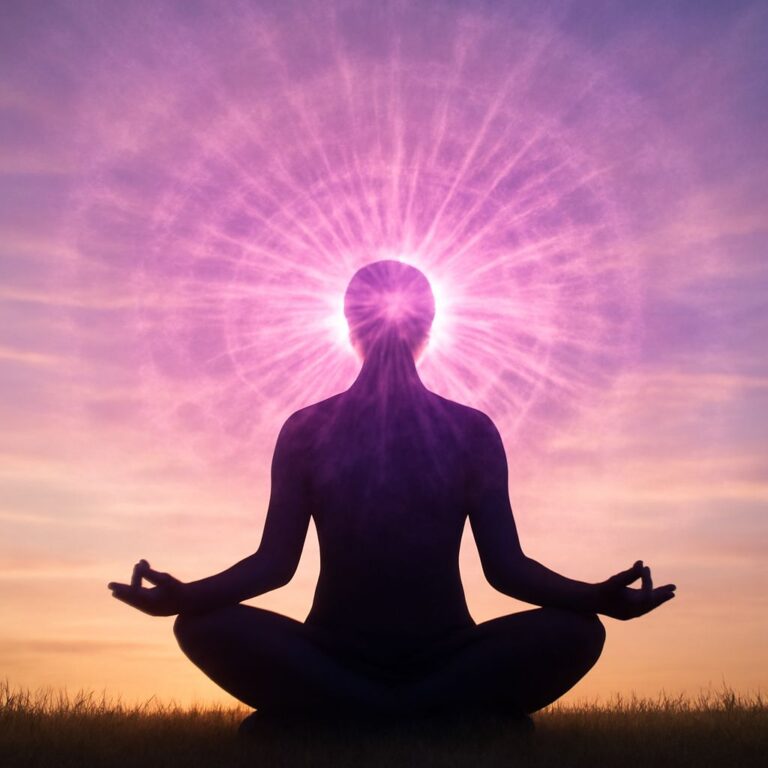
Spiritual yoga is frequently misunderstood — conflated with religion on one side and dismissed as a marketing term on the other. Yoga spirituality, in its authentic form, refers to the development of inner awareness, ethical refinement, and the dissolution of the habitual suffering caused by mental identification with the ego. The spiritual benefits of yoga are real and well-documented; they just rarely resemble what wellness marketing portrays.
Yoga and spirituality are inseparable at the level of classical yogic philosophy — the physical practice was always a preparation for meditation and self-inquiry, not an end in itself. Yoga spiritual development does not require adopting Hindu beliefs. It requires sustained attention, consistent practice, and a willingness to examine one’s own patterns of thought, reaction, and behavior.
What Distinguishes Spiritual Yoga from Physical Practice
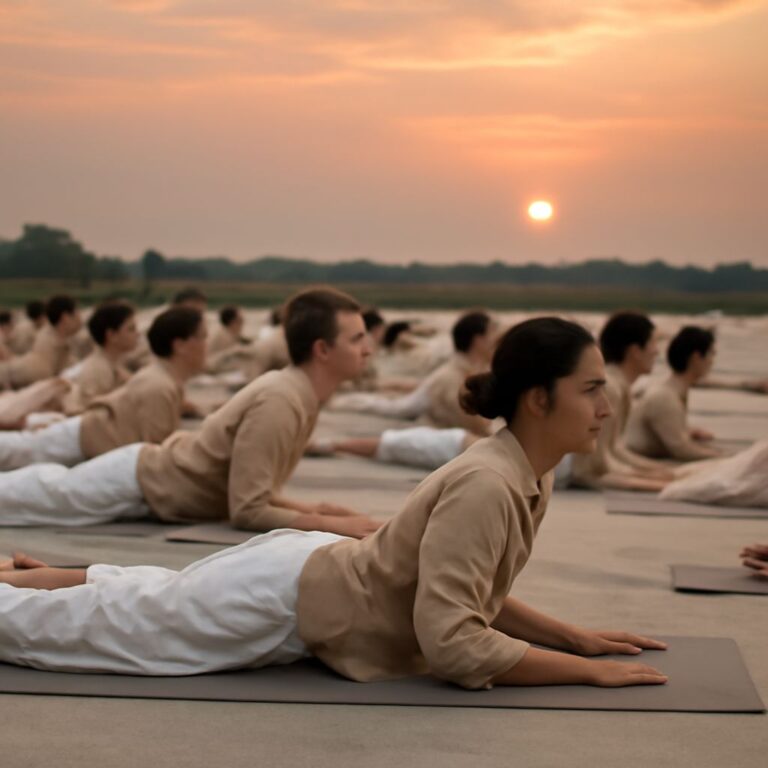
The distinction is not in the poses. A warrior pose in a fitness class and a warrior pose in a spiritually-oriented class look identical. The distinction lies in the quality of attention. Physical yoga uses poses as vehicles for fitness outcomes. Spiritual yoga uses the same poses as vehicles for self-inquiry: How am I relating to this difficulty? What happens in my mind when I cannot hold the balance? Am I present, or am I elsewhere?
These are not exotic questions. They are practical investigations into the nature of attention and reactivity that have direct consequences for how practitioners navigate everything from difficult conversations to chronic pain to mortality. The spiritual benefits of yoga are, at their core, benefits of developed attention — a capacity that improves every domain of human experience.
Practices That Support Spiritual Development in Yoga
- Meditation after asana practice — even five minutes of seated stillness dramatically deepens the non-physical work
- Study of yogic texts — the Yoga Sutras, Bhagavad Gita, and Upanishads provide conceptual frameworks for the experiences that arise in practice
- Journaling after practice — documenting what arose, what you noticed, what shifted develops reflective capacity
- Working with a qualified teacher who addresses the psychological and philosophical dimensions of practice
Common Misconceptions About Spiritual Yoga
Spiritual yoga does not require celibacy, vegetarianism, or renunciation. It does not require adopting Sanskrit vocabulary or believing in Hindu cosmology. It does not produce instant peace or enlightenment. What it does produce — with consistent practice over years — is a measurably quieter mind, greater emotional regulation, and a deeper capacity for presence that practitioners consistently describe as the most valuable outcome of their entire yoga journey.
Bottom line: Yoga and spirituality intersect wherever genuine self-inquiry meets sustained attention. The spiritual yoga path is available to practitioners of any background and belief system. Start where you are, practice consistently, and let the practice reveal its depth at its own pace.