Barbell vs Dumbbell: Which Tool Builds Better Strength and When to Use Each
The barbell vs dumbbell debate has generated more gym argument than almost any other equipment question. Dumbbells vs barbells each have genuine advantages — the answer is not one or the other, but an understanding of which serves your specific goal better. Yoga vs stretching is a parallel comparison: both address flexibility, but through different mechanisms with different results. Dumbbell vs barbell bench press, for instance, is not a matter of which is better, but which challenge is appropriate at a given training stage.
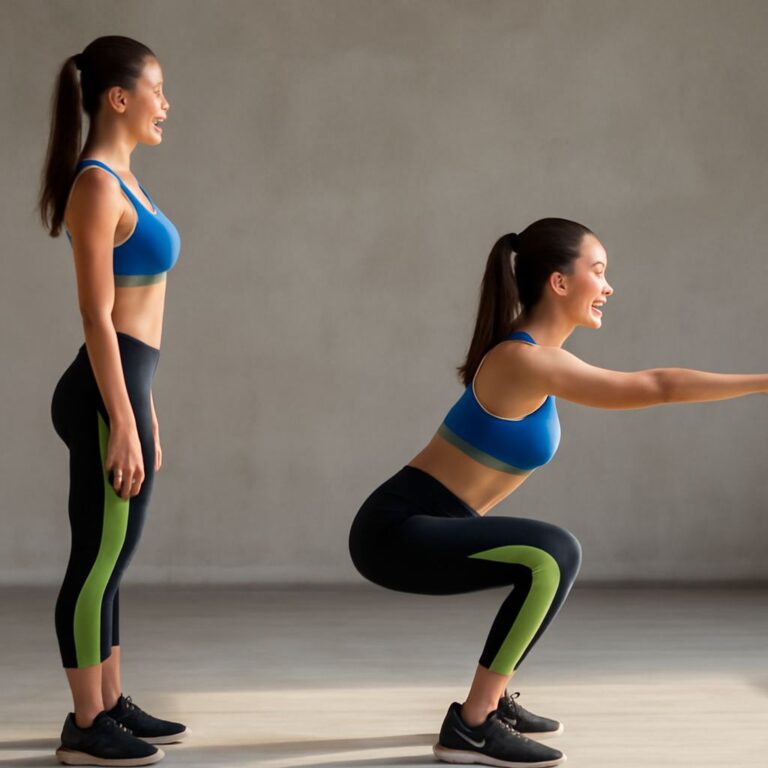
Surgery vs squats discourse occasionally enters fitness conversations when practitioners with orthopedic issues weigh intervention options against movement-based rehabilitation. This false dichotomy misses that appropriate exercise — properly loaded and progressed — is often a core component of non-surgical management for many joint conditions.
When Barbells Outperform Dumbbells
Barbells allow heavier absolute loads than most dumbbells. For movements like deadlifts, squats, and bench press, where maximum load development is the goal, a barbell is the superior tool. The fixed grip width and bilateral symmetry of barbell movements also develop the specific strength patterns required for powerlifting, Olympic lifting, and most strength sports.
Progressive overload is easier to apply with a barbell — adding 2.5 to 5 pounds to the bar is more incremental and precise than jumping between fixed dumbbell weights. This fine-grained progression matters significantly during the intermediate and advanced training stages when small load increases represent meaningful physiological challenge.
When Dumbbells Outperform Barbells
Dumbbells allow independent arm movement, which recruits more stabilizing muscle activity and corrects bilateral strength imbalances that a barbell allows the stronger side to mask. Dumbbell pressing, rowing, and curl variations challenge each side independently — valuable for symmetry development and injury prevention.
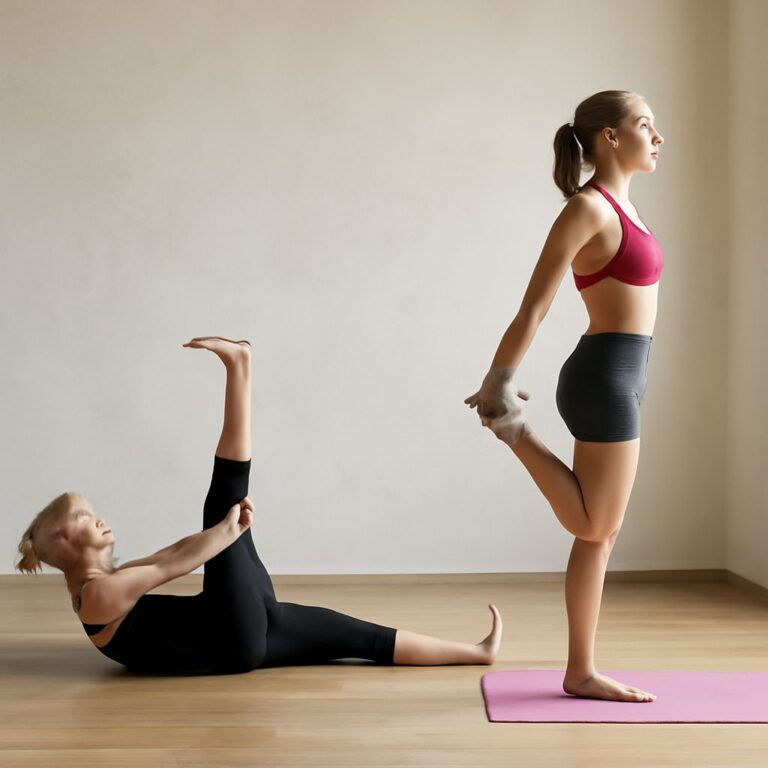
Yoga vs Stretching: Understanding the Difference
- Static stretching: Passive elongation of a muscle held for 30 to 60 seconds; effective for acute flexibility gains but limited in functional transfer
- Dynamic stretching: Controlled movement through full range of motion; better warm-up protocol than static for athletic performance
- Yoga: Combines breath-coordinated movement, static and dynamic flexibility, proprioceptive training, and nervous system work — more comprehensive than isolated stretching
The yoga vs stretching distinction matters for practitioners choosing between options. For athletic warm-up and recovery, dynamic stretching is research-supported. For long-term mobility development, body awareness, and stress management, yoga’s comprehensive approach produces outcomes that stretching alone cannot. Most athletes benefit from both in different contexts.