Is Yoga a Sin: Examining the Religious and Ethical Questions Honestly
Is yoga a sin? For many religious communities, the answer is nuanced and personal rather than doctrinal. Is yoga a religion? It is a philosophical and physical tradition rooted in Hindu darshana, but practicing its physical elements does not constitute religious conversion. Yoga and religion intersect in ways that depend entirely on how and why a practitioner engages with the practice.
Why is yoga bad, according to some critics? The concerns cluster around spiritual syncretism — the mixing of incompatible belief systems — and the argument that yoga’s physical postures cannot be separated from their Hindu spiritual context. Yoga and christianity conflict arises specifically when practitioners adopt Hindu spiritual frameworks within Christian devotional life. This is a genuinely distinct concern from physical exercise.
Understanding the Nature of Yoga’s Religious Dimensions
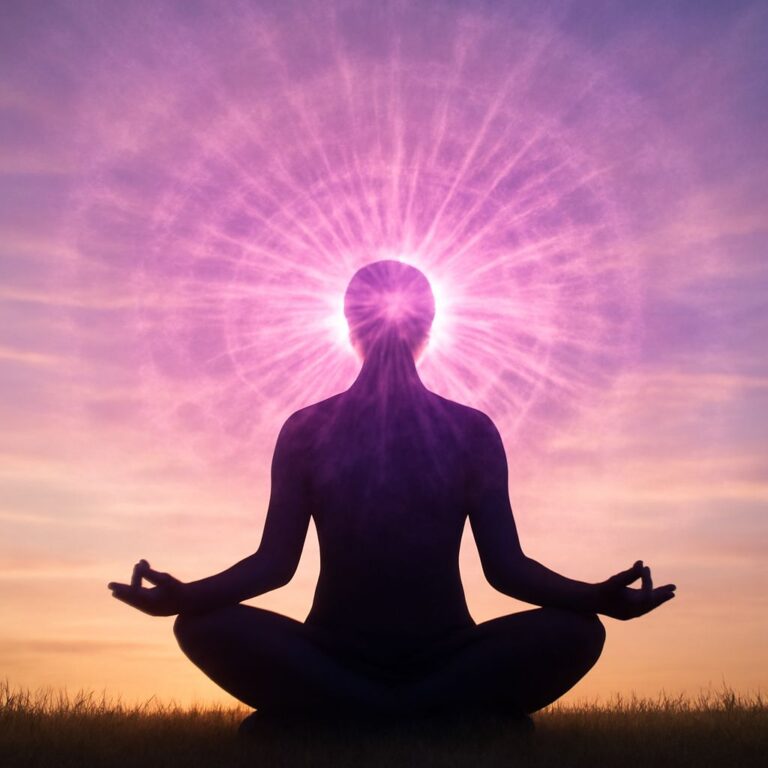
Yoga’s origins are inseparable from Hindu and Buddhist philosophy. The system described in Patanjali’s Yoga Sutras aims at union with universal consciousness — Brahman — through progressive purification of mind and action. This is a theological claim, not merely a fitness methodology. Critics who raise religious concerns about yoga are engaging with its actual history rather than inventing controversy.
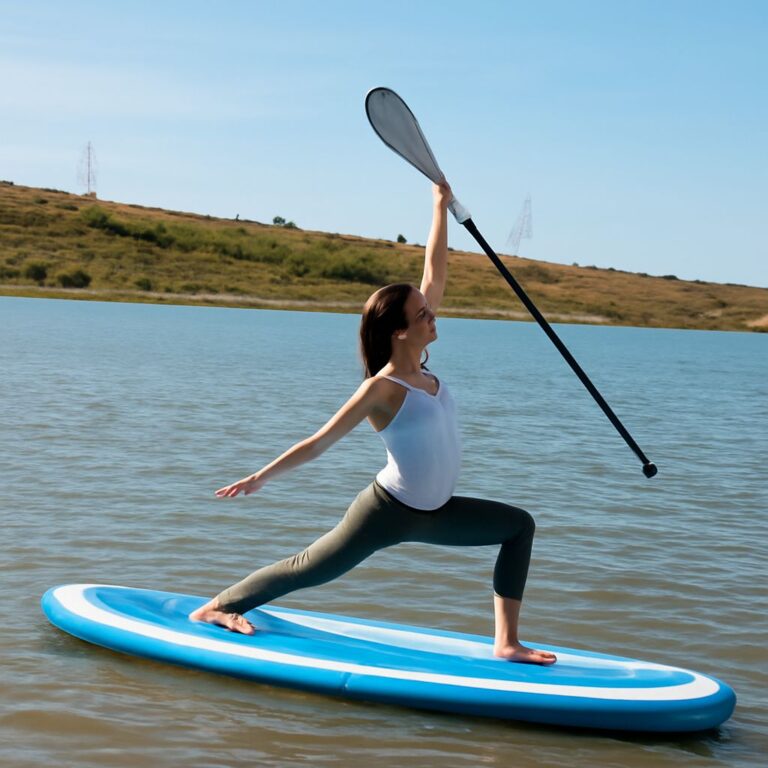
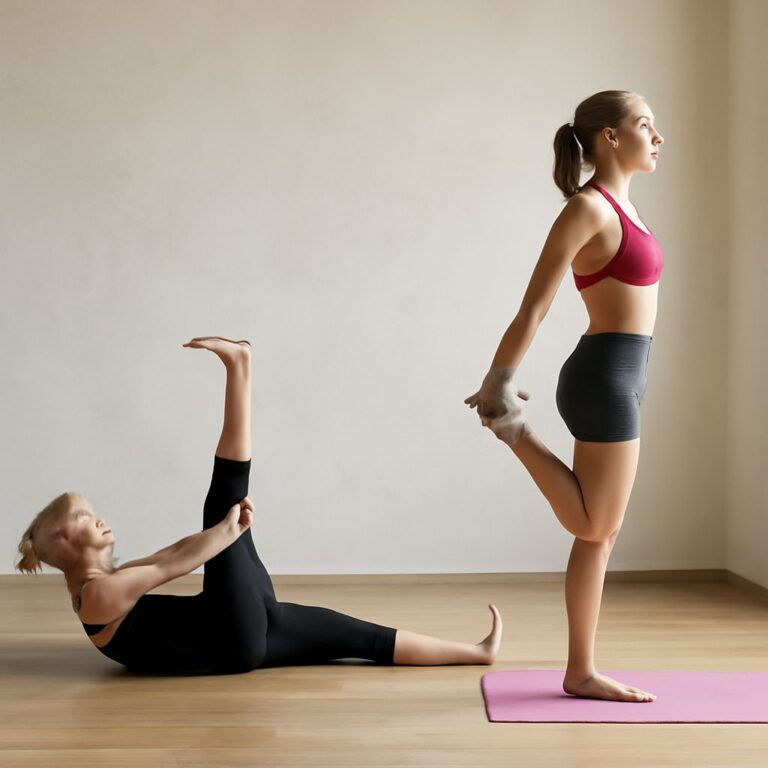
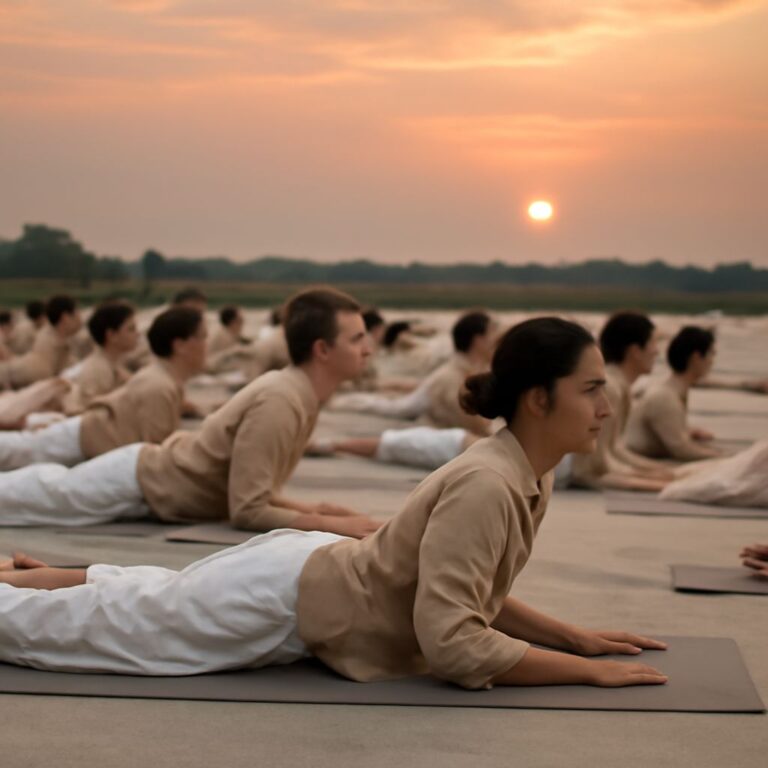
However, what is practiced in the majority of Western yoga studios is a highly adapted, secularized form of posture practice that bears limited resemblance to classical yoga as a spiritual discipline. Hot vinyasa, power yoga, and fitness-oriented yoga classes are effectively calisthenics with Sanskrit names and breath cueing. The question of sin or religious incompatibility depends enormously on which version of yoga is being discussed.
How Different Christian Denominations Respond
Catholic, Protestant, and Orthodox Christian responses to yoga vary significantly. The Vatican has issued cautionary statements about mixing yoga’s spiritual dimensions with Christian prayer. Some evangelical denominations categorically discourage participation. Other denominations treat posture-only yoga as religiously neutral physical exercise. Individual believers navigate this within their own faith communities and personal discernment.
A Practical Framework for Navigating the Question
- Distinguish between yoga as physical exercise and yoga as spiritual practice — they are different things
- Be honest about what you’re seeking: flexibility and stress reduction, or spiritual development
- Engage your religious community and spiritual advisors rather than making the decision in isolation
- If spiritual elements of a yoga class create discomfort, seek physically-focused or explicitly faith-based alternatives
Pro tips recap: The yoga-as-sin question is ultimately a personal and communal discernment process, not a legal or doctrinal verdict for most traditions. Clarify your intent, know your tradition’s position, and make a decision that aligns with your faith commitments and your honest assessment of what the practice means to you.