Used Dumbbells for Sale: Neoprene, Urethane, and How to Buy Smart
The market for used dumbbells for sale has expanded significantly as home gyms became mainstream after 2020. Neoprene dumbbells and urethane dumbbells represent opposite ends of the quality spectrum — understanding the difference helps you spend wisely whether buying new or used. Used dumbbells are often a better value than their price suggests, particularly for cast iron and urethane models that maintain structural integrity over decades.
Used crossfit equipment broadly — including dumbbells, kettlebells, and barbells — floods secondary markets when gyms close or upgrade. Buyers who know what to inspect can find exceptional equipment at 20 to 40 percent of original retail cost.
Neoprene vs Urethane: What the Materials Actually Mean
Neoprene dumbbells are coated cast iron or concrete cores with a soft rubber outer layer. They are relatively inexpensive, quiet on impact with floors, and comfortable to grip for lighter loads. However, the neoprene coating cracks and peels with heavy use, and the fixed weights typically max out at 15 to 20 pounds — limiting their utility for progression.
Urethane dumbbells are coated in polyurethane, a much more durable material. They resist scratching, odors, and UV degradation far better than neoprene. Commercial gym operators prefer urethane because it maintains appearance and structural integrity through thousands of drops and decades of use. A used urethane dumbbell set purchased at 30 percent of retail is often better value than a new neoprene set at the same price.
Where to Buy Used Dumbbells and What to Check
- Facebook Marketplace and Craigslist: Best for local pickup; inspect before purchasing
- Gym liquidation auctions: Commercial-grade used crossfit equipment at significant discounts
- Fitness equipment resellers: Certified pre-owned options with basic quality inspection
- Online auction platforms: Useful for large sets, but factor in shipping costs for heavy equipment
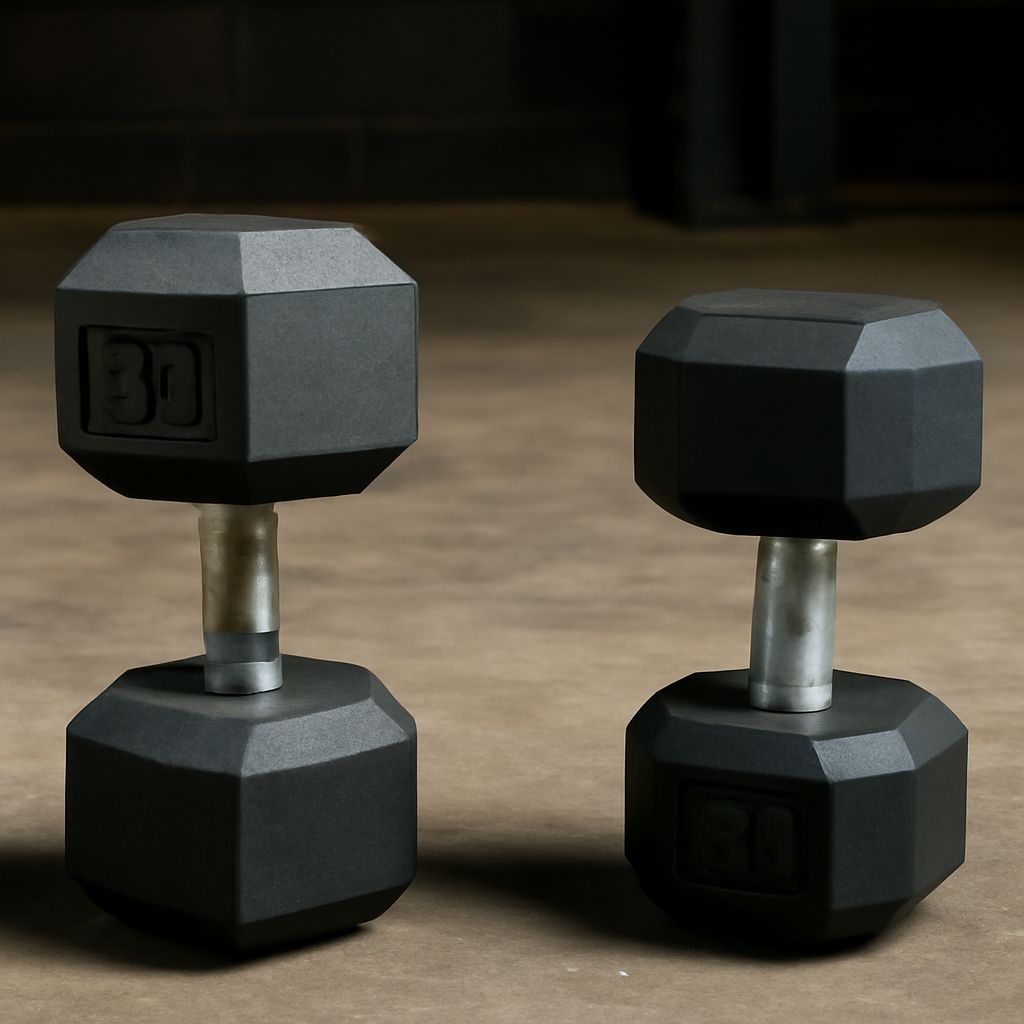
When inspecting used dumbbells: check for cracking or peeling coating, test that hexagonal rubber ends are still flush and even, confirm the knurling on the handle is still grippy, and verify that the end caps are secure and not loose. For used crossfit equipment broadly, check that welded seams are intact and that rubber surfaces are not delaminating from the iron core. A set that passes these checks will serve for decades.