8 Limbs of Yoga: Understanding the Complete Framework of Yogic Practice
The popular idea that yoga is primarily a physical practice exists in direct tension with the tradition itself. The 8 limbs of yoga — codified by Patanjali in the Yoga Sutras approximately 2,000 years ago — treat posture (asana) as just one of eight branches. Yoga elements include ethical practices, breath work, sense withdrawal, concentration, meditation, and transcendence. Elements of yoga that Western practitioners most commonly encounter are only the beginning of a far broader system.
Eight limbs yoga practice as a whole produces outcomes that isolated asana practice cannot: a quieted mind, refined ethical instincts, and the capacity for genuine meditation. An 8 limbs of yoga chart helps visual learners understand how the components relate and build upon each other — from external practices inward toward increasingly subtle states of awareness.
The Eight Limbs Explained
The first two limbs are ethical foundations. The Yamas are restraints — non-violence, truthfulness, non-stealing, moderation, and non-possessiveness. The Niyamas are observances — purity, contentment, self-discipline, self-study, and surrender to a higher principle. These two limbs form the moral foundation without which the remaining six cannot take root.
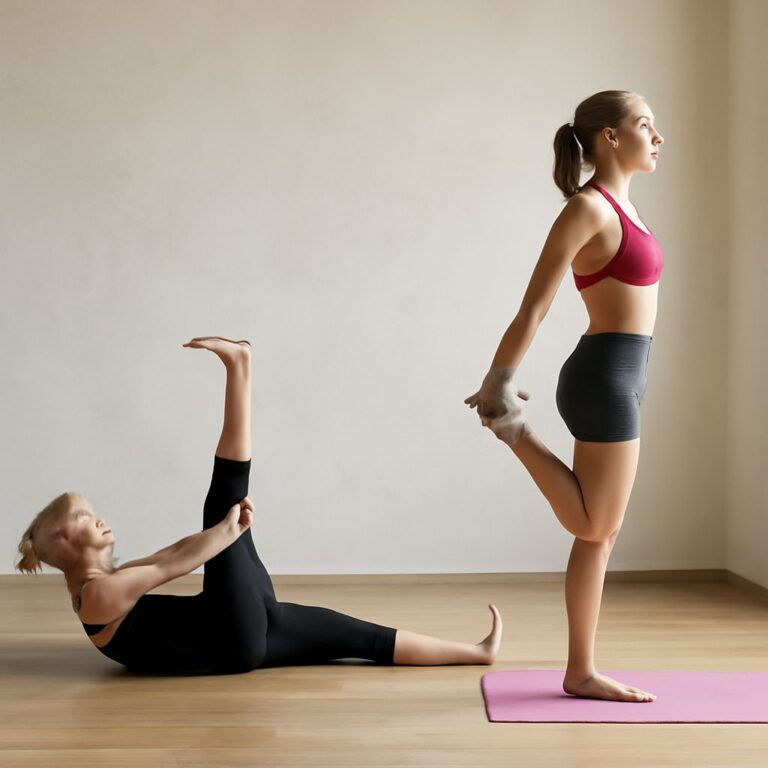
Asana — the third limb — refers not to athletic achievement but to a stable, comfortable seat for meditation. Pranayama, the fourth limb, develops breath control and the management of vital energy. Pratyahara — the fifth — is sensory withdrawal, the practice of turning attention inward regardless of external stimulation.
The final three limbs — Dharana (concentration), Dhyana (meditation), and Samadhi (absorption or enlightenment) — form a continuum of deepening mental stillness. Together they are sometimes called Samyama. Most modern practitioners encounter these primarily through seated meditation practice.
Integrating the Eight Limbs into Daily Practice
- Morning: Five minutes of pranayama before asana practice activates the fourth limb and prepares the nervous system
- During asana: Apply yama principles — non-harming means respecting your body’s limits in each pose
- After asana: Ten minutes of seated meditation develops dharana and dhyana
- Throughout the day: Niyama practices like contentment and self-study apply in every interaction and decision
A complete yoga practice informed by all eight limbs produces a fundamentally different practitioner than asana alone creates. The yoga elements framework is not a historical curiosity — it is a practical technology for developing attention, ethical clarity, and genuine mental stability. Even partial engagement with the non-physical limbs deepens physical practice immeasurably.