Yoga Headstand Poses: Safe Practice, Preparation, and the Metal Yoga Connection
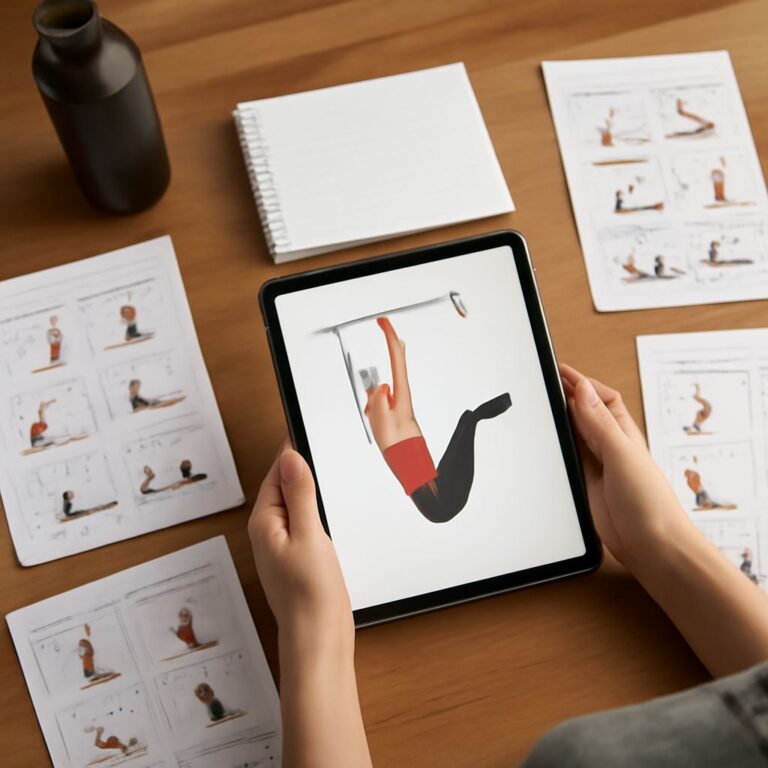
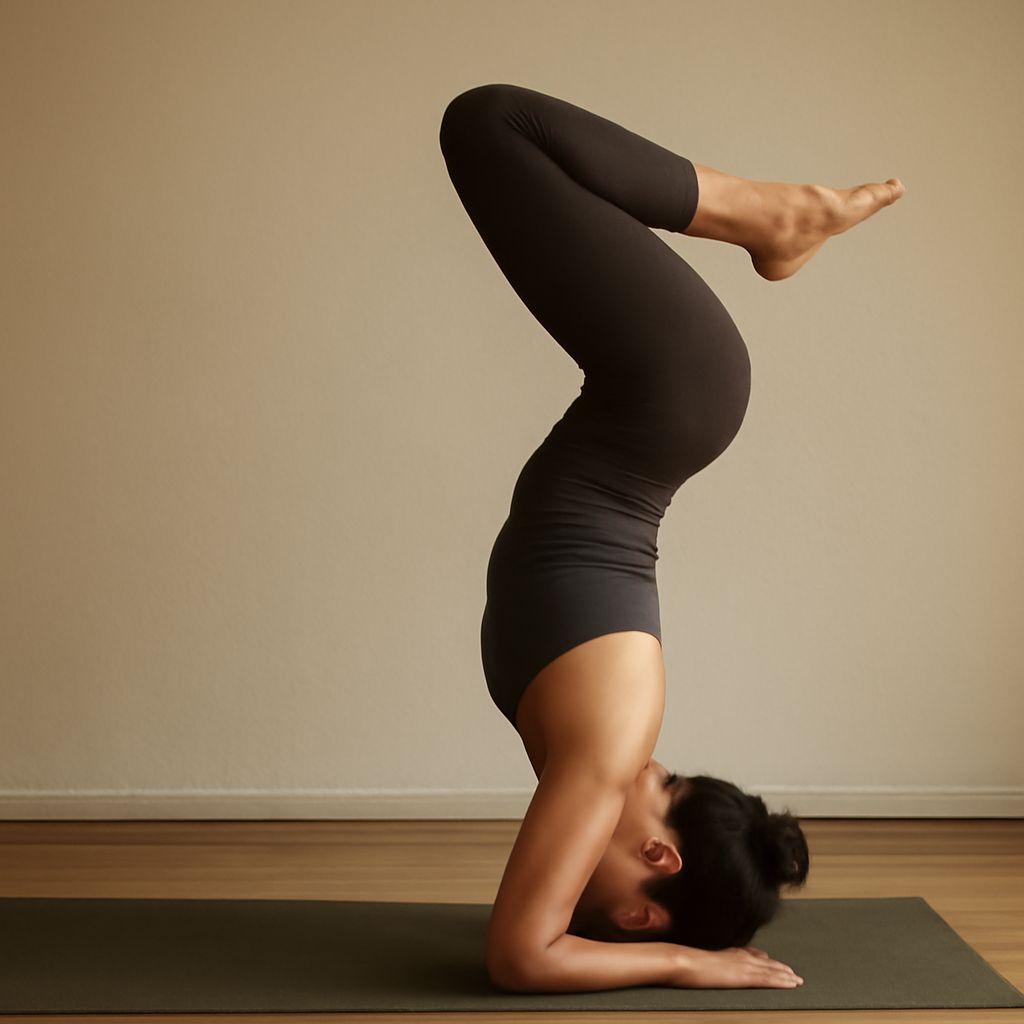
Yoga headstand poses occupy a unique place in practice — they are simultaneously among the most celebrated and most frequently injured positions in modern yoga. The headstand yoga pose is often treated as a milestone to achieve rather than a skill to develop, which leads practitioners to rush preparation and skip essential foundation work. Headstand yoga poses require shoulder strength, spinal neutrality, and core control before the head ever touches the floor.
Metal yoga — a genre that combines heavy metal music with vigorous yoga practice — has brought headstands into unexpected cultural contexts. Heavy metal yoga classes often feature inversions prominently, using the intensity of both the music and the poses to create a distinctive energetic experience. Whether your path to headstand is traditional or unconventional, the physical preparation is identical.
Building the Foundation for Safe Inversions
Sixty percent of the weight in a properly executed headstand is distributed through the forearms, not the head. The head itself should bear only light, stabilizing pressure. This means building forearm and shoulder strength is the primary prerequisite — not core strength or flexibility, as commonly believed.
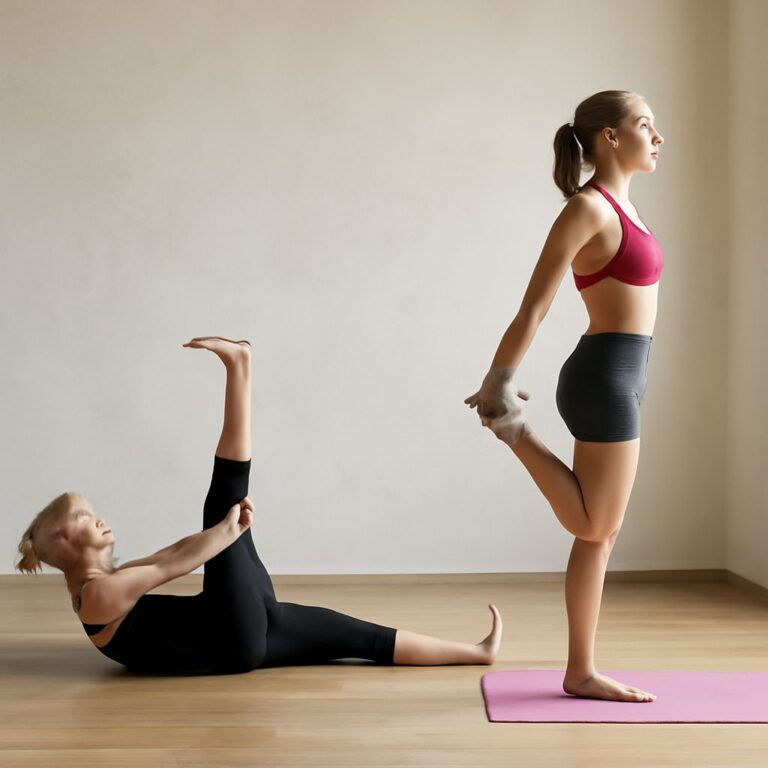
Dolphin pose is the most direct preparatory exercise. In dolphin, the forearms press into the floor, the shoulders stack above the elbows, and the core engages while the hips are elevated. Hold dolphin for 30 to 60 seconds at the end of every practice session for four to six weeks before attempting a supported headstand at the wall.
Step-by-Step Wall Headstand Approach
- Place forearms on the mat with elbows shoulder-width apart, fingers interlaced
- Set the crown (not forehead or back of skull) gently on the mat inside the hands
- Walk feet toward the head until hips are over shoulders
- Lift one knee to the chest, then the other — using the wall for balance if needed
- Extend legs upward and press through the heels toward the ceiling
- Hold for 10 to 20 seconds initially, building to 1 to 3 minutes over weeks
Contraindications and When to Avoid Headstands
- Cervical disc issues, neck injuries, or high blood pressure — avoid entirely
- Active sinus infection or glaucoma — skip until resolved
- Menstruation — many traditions recommend avoiding inversions; listen to your body
- If you feel pressure or discomfort in the neck — come down immediately
The headstand yoga pose rewards patience more than ambition. A solid dolphin, a strong forearm stand practice, and consistent shoulder conditioning over months produce a stable, pain-free inversion that can be held safely for minutes. Take the foundation seriously and the pose will follow.