Kids Yoga Poses: Building Confidence and Body Awareness in Children
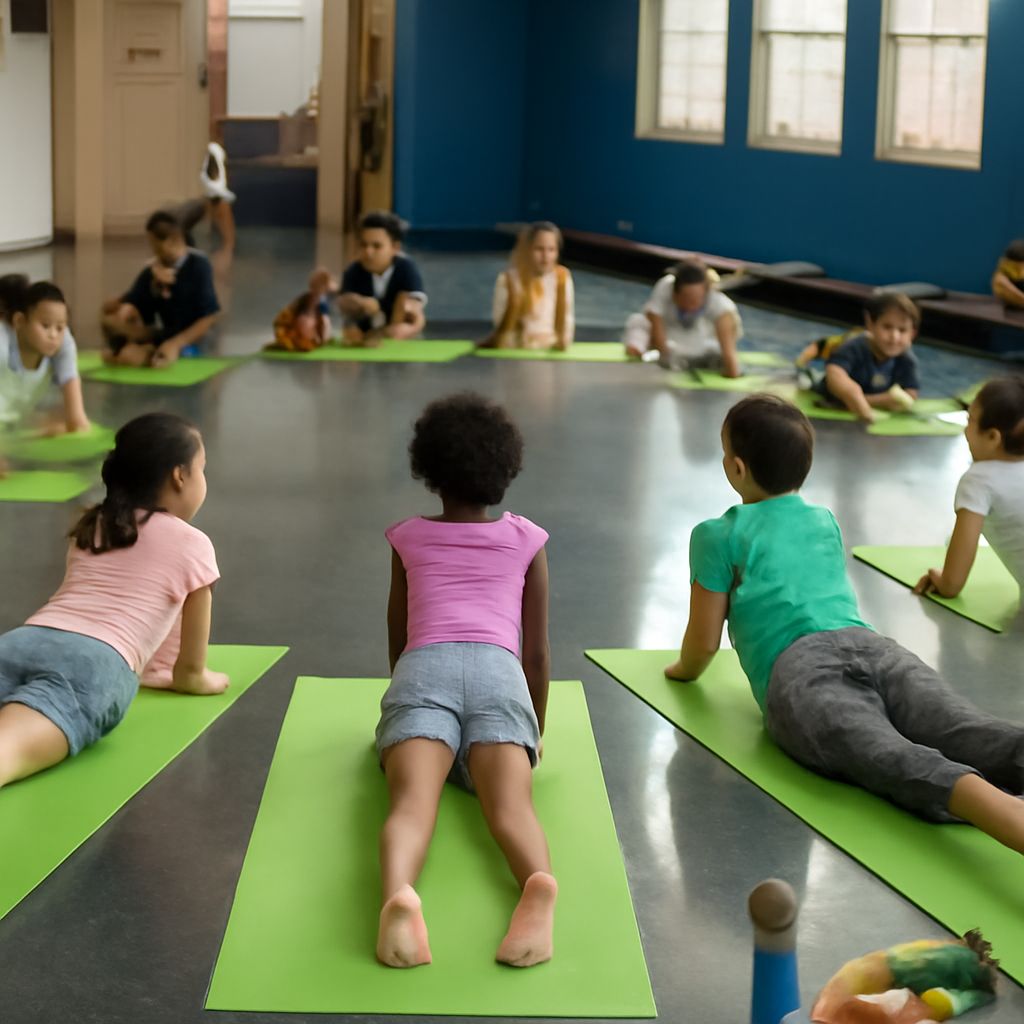
There is a common belief that children’s yoga is just a simplified version of adult classes. In practice, kids yoga poses serve fundamentally different developmental goals. A gentle yoga sequence for children builds proprioception, breath awareness, and emotional regulation — skills that transfer directly into academic and social settings. Kid yoga poses are designed to be engaging as much as functional.
A restorative yoga sequence pdf for kids might look like a bedtime routine or a classroom calming exercise. Kids yoga sequence structures are typically shorter, louder, and far more imaginative than adult flows. Animals, stories, and games are not distractions — they are the vehicle for genuine body learning in young nervous systems.
Best Poses for Children at Different Ages
Age significantly affects what works in children’s yoga. Toddlers respond best to animal poses and call-and-response games. Elementary-age children enjoy partner work and balance challenges. Tweens benefit from slightly more structured sequences that respect their developing self-consciousness while maintaining the playfulness that makes yoga stick.
Simple Sequence for 4 to 8 Year Olds
- Cat-Cow: Begin on hands and knees, arching and rounding the spine with breath cues
- Downward Dog: Walk the feet and pedal heels for a gentle hamstring and calf stretch
- Warrior I: Call it “superhero pose” for younger children — land the back foot firmly
- Tree Pose: Balance on one foot with the other pressed to the inner calf or thigh
- Child’s Pose: Rest between active sequences; model stillness and breath
- Savasana: Use a short guided relaxation or breathing exercise — even 90 seconds is valuable
Restorative and Calming Sequences for Kids
Restorative yoga for children focuses on supported, passive stretching with props like bolsters, blankets, and blocks. Even simple supported child’s pose held for two minutes can measurably reduce cortisol in stressed children. These sequences are appropriate for bedtime routines, post-testing recovery in school settings, or any high-stress transition point in a child’s day.
Breathing techniques paired with restorative poses amplify the effect. Box breathing, balloon breath, and bumble bee breath all use sound and imagery that children easily grasp. The calming effect is physiological — slow exhalations activate the vagus nerve and downregulate the sympathetic nervous system regardless of age. Next steps: introduce one new pose per week to avoid overwhelming young practitioners, and always end each session with a moment of stillness.