Pilates Table, Teaser, and HIIT Pilates: Building a Stronger Core
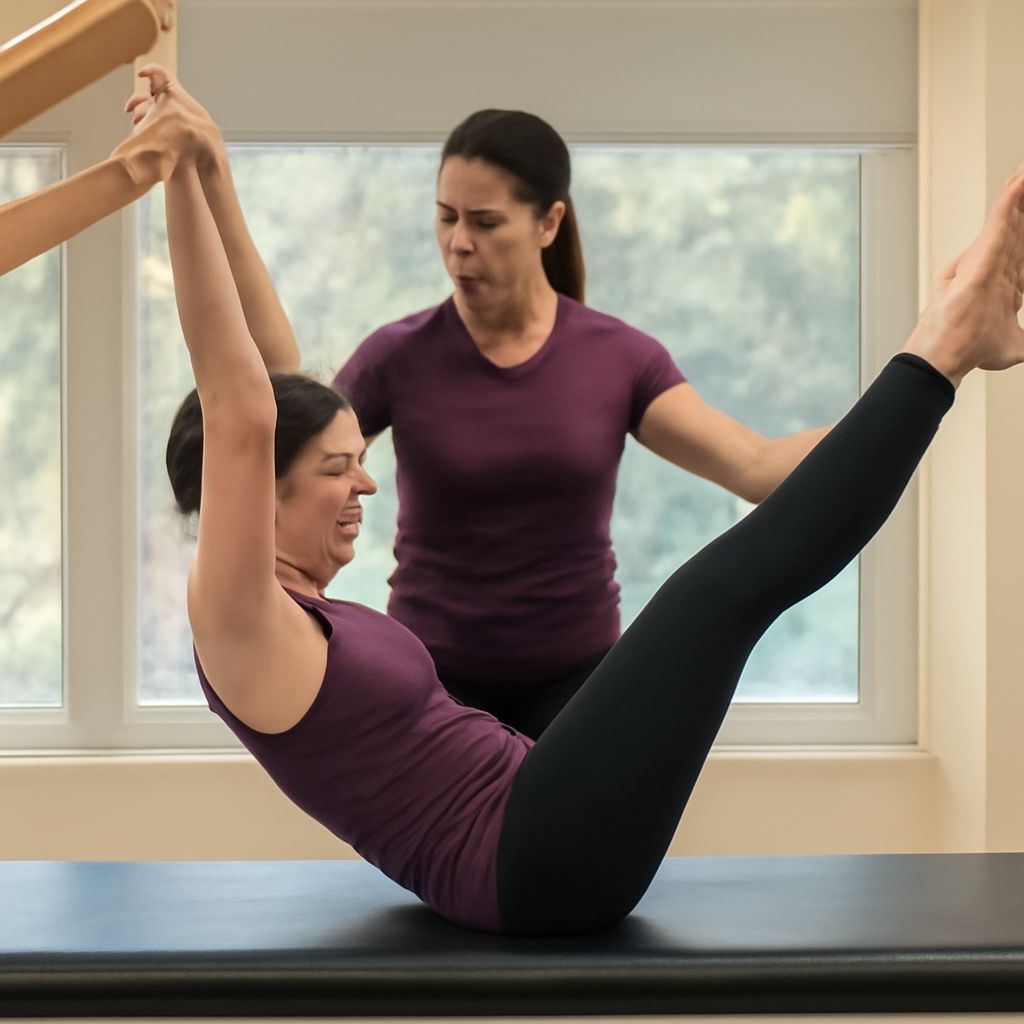
Pilates has a reputation for gentle, rehabilitative work that undersells what it actually demands when practiced at full intensity. The pilates table — sometimes called the Cadillac, a full tower of springs, bars, and straps — offers a range of exercises that no mat or reformer can replicate, including deep spinal traction and full inversion support. The pilates teaser, one of the method’s most recognizable exercises, requires simultaneous hip flexor strength, spinal articulation control, and hamstring flexibility in a V-shaped balancing position that practitioners often spend years building toward. Selecting the best pilates reformer for home or studio use involves understanding which features actually matter for performance versus which are marketing differentiation. HIIT pilates formats — combining Pilates principles with high-intensity interval structures — have dramatically expanded the cardiovascular and metabolic demand of what was once primarily a corrective training method. And the table pose yoga connection points to how the quadruped position appears across both disciplines as a foundational movement pattern.
Understanding these elements as an integrated system rather than separate topics reveals the full capability of Pilates as a training method. Here is how to work with each effectively.
How to Progress the Pilates Teaser and Related Core Exercises
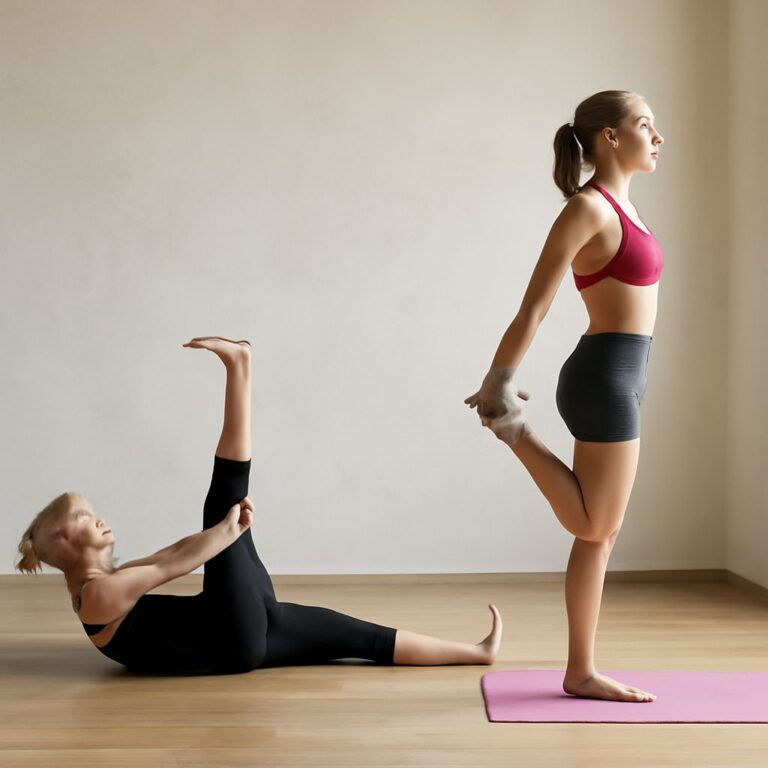
The Teaser is a graduated exercise family, not a single movement. The most basic version involves lying on the back with knees bent, then floating the arms and upper back off the floor while the legs remain planted. The full Teaser adds simultaneous leg elevation to a 45-degree angle, creating a V-shape at the pelvis that demands coordination between the hip flexors, transverse abdominis, and spinal extensors that basic crunching work does not develop.
Preparation for the full Teaser involves three parallel development tracks. First, hip flexor strengthening in the end range — exercises like hanging leg raises or reformer leg series build the psoas capacity needed to hold the leg position without compensation. Second, spinal articulation control — practiced through roll-up, rolling like a ball, and spine stretch variations — develops the sequential activation that the Teaser’s C-curve requires. Third, thoracic extension flexibility allows the upper back to open fully at the top of the movement rather than collapsing forward.
HIIT Pilates formats apply interval timing to Pilates exercises — typically alternating 30 to 45 seconds of maximal effort with 15 to 20 seconds of rest across multiple rounds. The metabolic demand is substantially higher than classical Pilates pacing while preserving the attention to form and alignment that distinguishes Pilates from general high-intensity training. These formats produce cardiovascular conditioning alongside the core strength and postural benefits of traditional Pilates, making them time-efficient for practitioners with fitness goals that span multiple dimensions.
The Cadillac or Pilates table expands exercise possibility through its vertical spring resistance, push-through bar, and hanging bars. Spinal traction exercises performed on the Cadillac decompress the lumbar and thoracic spine in ways that floor or reformer work cannot replicate. Trapeze work using the hanging bars builds shoulder strength and mobility simultaneously. For rehabilitation contexts, the Cadillac provides the most controlled and versatile environment of any Pilates apparatus.
Reformer selection for home use depends on training goals, available space, and budget. A professional-grade aluminum-frame reformer with carriage-mounted springs and adjustable footbar positions will outlast three or four budget models and provides the spring resistance precision that progressive Pilates work requires. For practitioners committed to regular home practice, the investment in a quality machine pays for itself within two to three years compared to studio membership costs.
Pro tips recap: Build toward the full Teaser through hip flexor end-range strengthening, spinal articulation practice, and thoracic extension work in parallel rather than sequentially. For HIIT Pilates, maintain form standards even at high intensity — fatigue-driven compensation defeats the purpose. Invest in a quality reformer if home practice is your primary training environment.