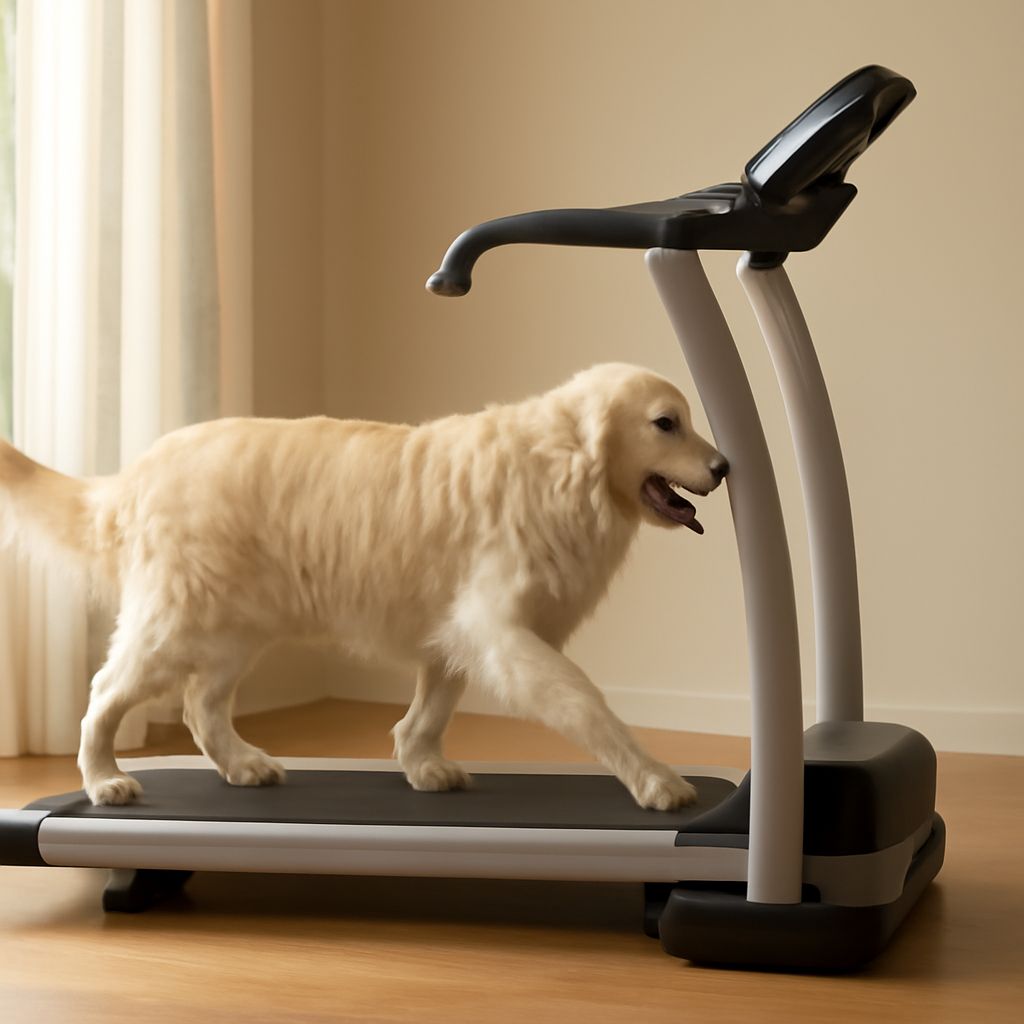
Treadmill for Dogs: What to Know Before You Buy or Train
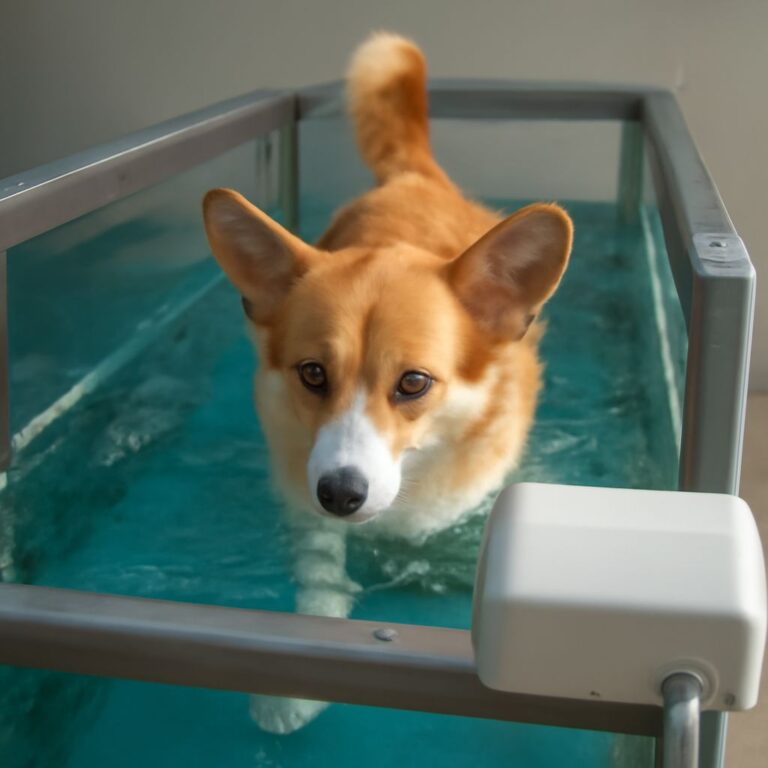
Dog owners often assume that a treadmill for dogs is an indulgence for lazy pet parents who skip walks. In reality, veterinarians and professional trainers use canine treadmills for rehabilitation after orthopedic surgery, for burning excess energy in high-drive working breeds, and for maintaining fitness during extreme weather when outdoor exercise is unsafe. A well-selected machine gets daily use and pays for itself in reduced behavioral problems and vet bills tied to obesity-related conditions.
The market splits into two main categories. A dog treadmill for sale from a pet-specific brand is built with a wider belt, lower speed range, and side rails that prevent a dog from stepping off accidentally. Human treadmills lack those rails and often run too fast at their minimum setting for small breeds. A doggy treadmill designed for mid-size dogs handles breeds from 20 to 80 pounds, while a puppy treadmill or a small dog treadmill keeps the belt width narrow and the pace slow enough to match a Chihuahua or Dachshund without forcing them to sprint.
Choosing the Right Machine for Your Dog’s Size and Breed
Matching Belt Width and Speed Range to Your Dog
Belt width is the most important spec to check first. Measure your dog from shoulder to hip and add six inches. That is your minimum belt length. Width should match the dog’s natural stance, typically shoulder width plus two to three inches on each side. A Great Dane needs a belt at least 20 inches wide and 55 inches long. A Beagle needs roughly 14 by 45 inches.
Speed range matters almost as much as size. Most dogs walk at 2–3 mph and trot at 4–5 mph. A machine that starts at 0.5 mph and tops out at 7 mph covers every dog from rehabilitation pace to aerobic conditioning. Avoid machines where the minimum speed is above 1 mph. Dogs cannot self-regulate pace on a treadmill the way they can outdoors, so you set the speed and they must match it.
Motor power determines how smoothly the belt runs under a heavy or fast-moving dog. Look for at least 1.5 continuous horsepower for dogs up to 50 pounds and 2.0 or more for larger breeds. An underpowered motor bogs down under load, making the belt jerk or slow unpredictably. That erratic motion can frighten a dog and create a negative association that takes weeks of reconditioning to undo.
Side rails should be padded or at least smooth-edged. Dogs sometimes drift sideways when distracted or tired. Hard metal rails cause bruising or abrasion if a dog brushes against them repeatedly. Padded rails also help during early training when the dog has not yet learned to center itself on the belt.
Training Your Dog to Use the Treadmill Safely
Never place a dog on a moving belt for the first session. Start the machine off and let the dog sniff and stand on the stationary belt for two to three days. Reward calm behavior with high-value treats. Once the dog steps on without hesitation, turn the belt on at its slowest setting while you hold a treat at nose level directly in front of the dog’s face.
Keep first powered sessions under three minutes. The goal is confidence, not conditioning. Extend duration by one minute per session as long as the dog stays relaxed and moves freely. Watch for signs of stress: panting heavier than normal for the pace, whale eye, tucked tail, or trying to turn around on the belt. Any of those signals means you are moving too fast in the training progression.
Leash use on a treadmill is debated. Some trainers clip a short leash to the front rail to prevent the dog from jumping off mid-session. Others argue it creates restriction anxiety. If you use a leash, keep it loose enough that the dog can lower its head naturally. Never leave a dog unattended on a treadmill, leashed or not.
Pro tips recap: Match the machine specs to your dog’s exact measurements before buying. Train in short confidence-building steps before expecting any real cardio session. Check the motor rating, not just the price tag. And keep sessions under twenty minutes until you know how your individual dog responds to sustained belt work.