Chair Yoga Exercises: A Complete Guide for Seniors and Beginners
Many people believe seated yoga is a watered-down version of the real thing. It is not. Chair yoga exercises build genuine strength, improve circulation, and increase joint mobility without requiring floor work or a perfect sense of balance. The chair acts as a prop, not a crutch, allowing you to access postures you might otherwise skip because of knee pain, hip replacements, or vertigo. People of all fitness levels use chair-based practice to maintain range of motion and reduce stiffness.
Another common misconception is that a chair yoga sequence only works for older adults. While chair yoga poses for seniors are well-documented and widely recommended by physical therapists, younger people recovering from injuries or working at desks all day benefit just as much. Wheelchair yoga takes this further, offering adaptations for people who remain seated throughout their day. And a consistent set of chair yoga routines practiced three times per week produces measurable improvements in flexibility and mood within four to six weeks.
Building a Chair Yoga Sequence That Actually Challenges You
Sequencing Seated Poses for Steady Progression
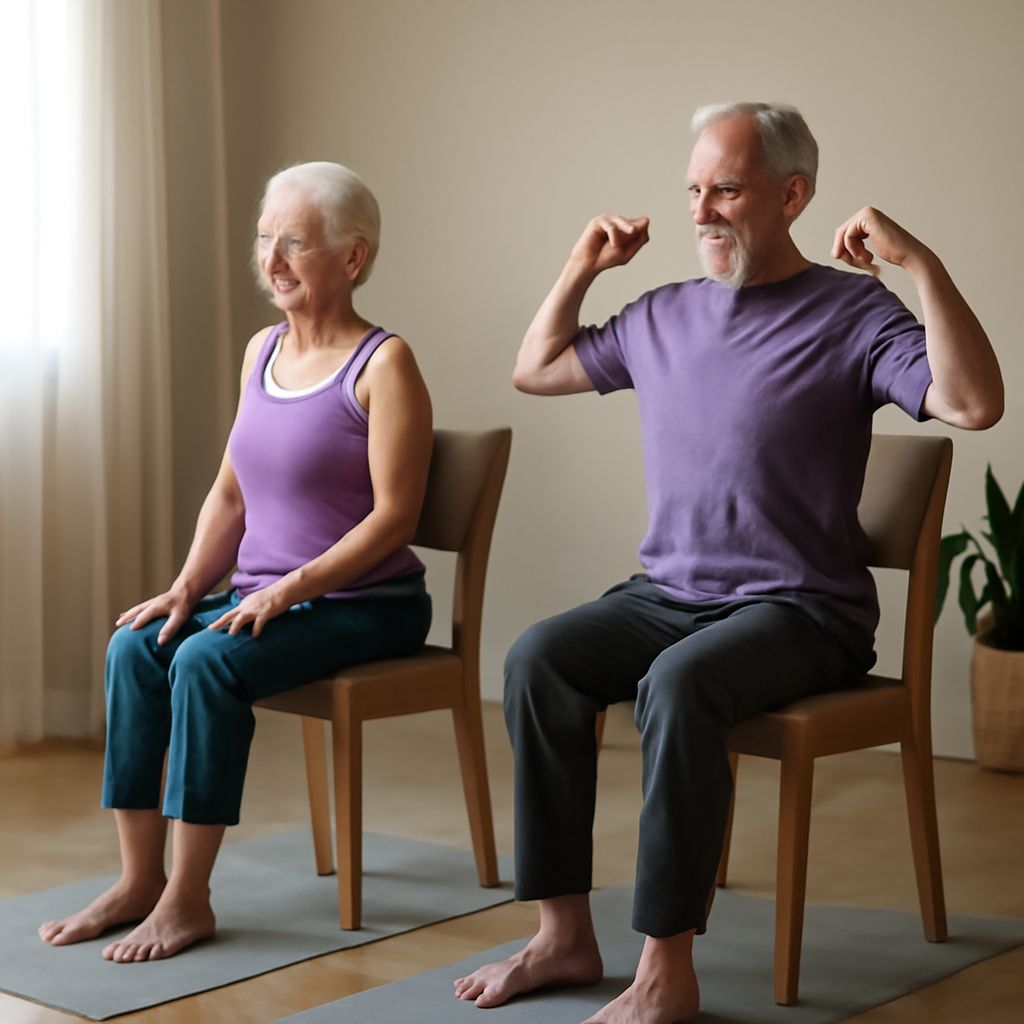
Start seated near the front of the chair, feet flat on the floor hip-width apart, spine long. Begin with five slow neck rolls in each direction to release cervical tension. Then move into seated cat-cow: place your hands on your knees, inhale to arch and lift your chest, exhale to round and draw your navel in. Do eight rounds. This warms the spine for everything that follows.
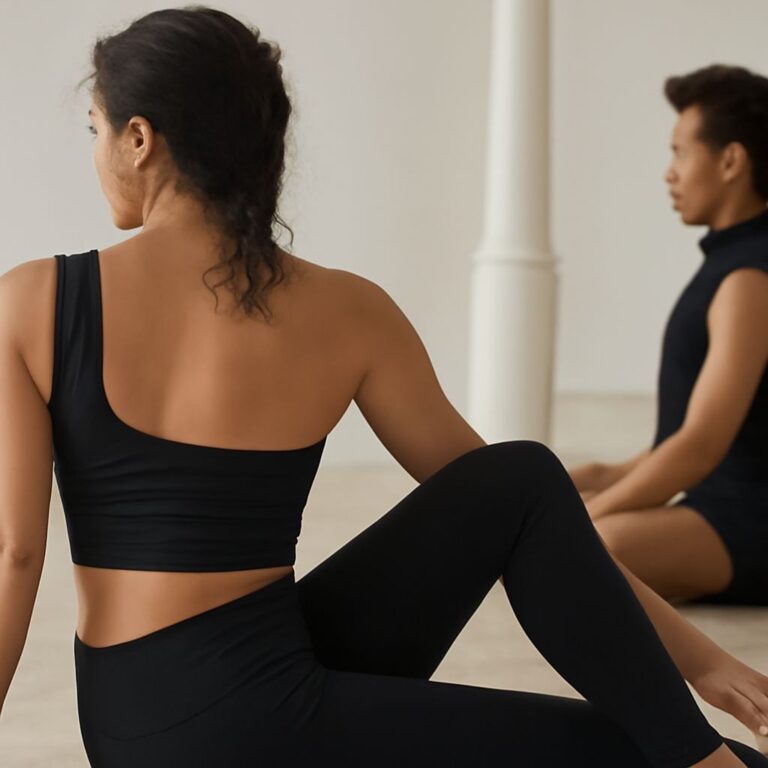
From there, add seated forward folds by hinging at the hips rather than rounding the back. Let your hands slide down your shins or reach toward the floor. Hold five breaths. Follow with seated spinal twists: right hand on left knee, left hand behind the chair seat, inhale to lengthen, exhale to rotate. Switch sides. These moves train the obliques and decompress the lumbar spine simultaneously.
For strengthening, seated leg lifts target the hip flexors and quadriceps without any floor contact. Sit tall, extend one leg straight, hold three seconds at the top, lower slowly. Do twelve reps per side. Seated warrior arms add shoulder and upper-back work: reach arms wide into a T shape, pull shoulder blades together, hold ten seconds. Repeat four times.
Close every session with a seated forward bend and two minutes of quiet breathing with eyes closed. That cool-down brings the nervous system out of mild activation and gives your body time to register the work done. Skipping the cool-down leaves some practitioners feeling restless or unfinished after practice.
Adapting Chair Yoga for Wheelchair Users and Limited Mobility
Wheelchair-based yoga requires one key adjustment: since the chair cannot be repositioned easily, you work within a fixed base. Focus on the upper body, neck, and torso. Seated side bends, shoulder circles, and chest-opening stretches all translate directly to wheelchair use with no modification needed.
For participants with limited grip strength, loop a yoga strap around the foot rather than grasping it. This allows leg stretches without straining the hands or wrists. A small rolled blanket placed under the thighs reduces pressure on the backs of the legs during longer holds, which matters for people with circulation issues.
Breathing work is especially effective in wheelchair-adapted sessions. Diaphragmatic breathing, where you breathe into the belly rather than the chest, can be practiced in any seated position and produces a measurable drop in resting heart rate after six to eight weeks of daily practice. Pair breath work with gentle arm movements to coordinate the nervous system and muscles together.
Bottom line: Chair yoga, whether practiced as a structured sequence for seniors, an office desk break, or an adapted wheelchair routine, delivers real physical and mental benefits. Start with three short sessions per week, build gradually, and track your range of motion each month so you can see your progress clearly.