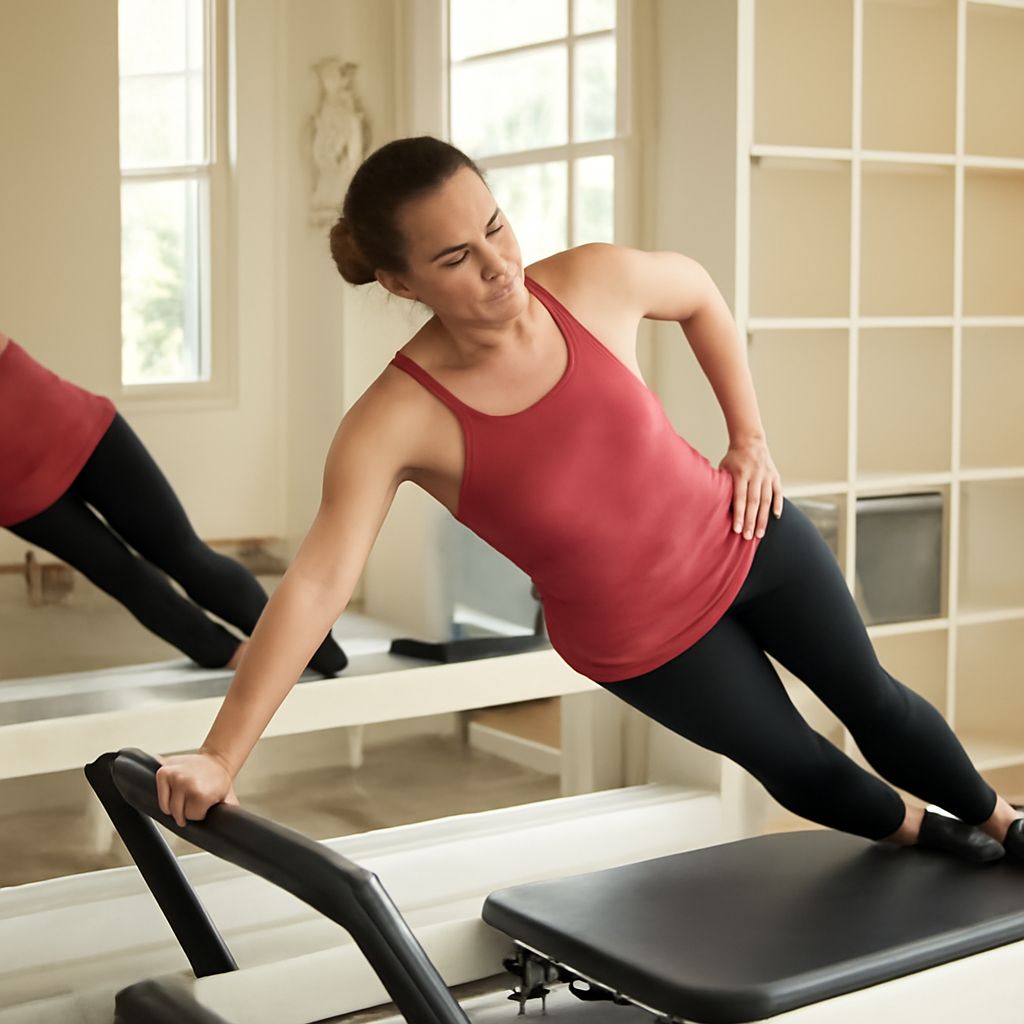
Hot Pilates: Reformer Classes, Pilates Bodies, and What to Expect
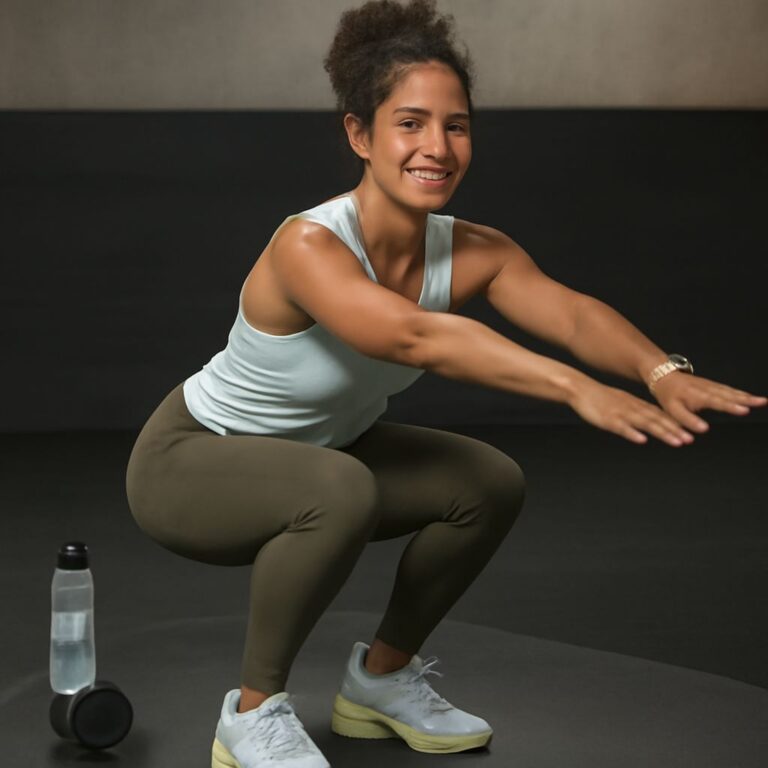
The assumption that hot pilates is just regular Pilates in a warm room underestimates how differently the body performs under heat. A room set at 95°F changes how your muscles warm up, how quickly you fatigue, and how deeply your connective tissue releases during stretches. Reform pilates, which uses the spring-loaded reformer machine, already demands precise body mechanics. Adding heat increases the challenge by raising heart rate and reducing the margin for sloppy form. Used correctly, the combination builds endurance and body awareness faster than either approach alone.
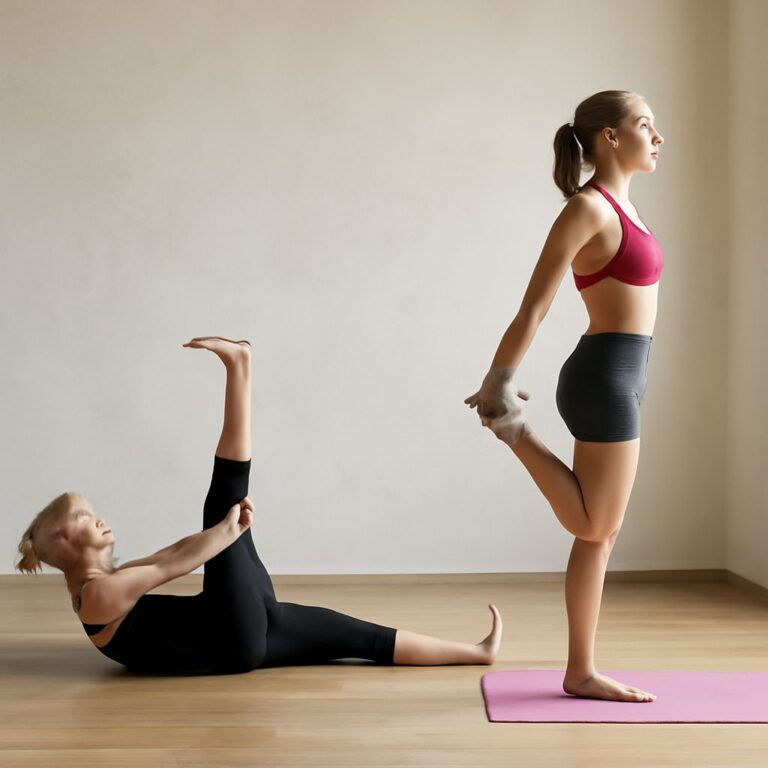
People often assume that pilates bodies are a specific aesthetic that only certain people can achieve. That misreads what consistent reformer training actually produces. The physical changes from a regular reformer practice are functional: stronger deep core muscles, improved spinal alignment, better shoulder mechanics, and increased hip mobility. The pilates room environment, whether heated or climate-controlled, determines how intensely your cardiovascular system works. Boutique studios like uptown pilates operations in major cities often offer both heated and standard classes so you can choose the thermal intensity that matches your goals.
What Happens in Your Body During a Hot Pilates Reformer Session
Heat, Springs, and Muscle Recruitment
A heated reformer room changes muscle temperature within the first five to ten minutes of movement. Warmer muscles have greater pliability, which allows a greater active range of motion during footwork, long box, and standing series. This can feel like instant progress in your flexibility. It is real progress, but it is thermally assisted and partly reverts when you cool down. Consistent heated training still produces lasting gains because you practice movements at greater depth repeatedly.
The reformer’s spring resistance adds a layer of instability absent from mat work. When you push or pull against the springs, the carriage moves and your core must stabilize continuously rather than just at peak effort. In a heated environment, this sustained stabilization demand arrives on top of elevated cardiovascular load, which trains your body to maintain form under fatigue. That is a more transferable skill than strength in a controlled, cool environment alone.
Sweat management matters in a heated reformer room. The carriage pad and foot bar become slippery quickly. Grip socks are non-negotiable for safety. A small microfiber towel placed on the shoulder rest keeps your shirt from sliding during back work. These are not optional comfort items. They are safety measures that prevent injury during fast spring-loaded transitions.
Monitor your exertion level throughout a heated session using perceived effort rather than heart rate alone. In heat, your heart rate runs approximately 10–15% higher than in a cool room for the same movement intensity. If you usually target a heart rate of 140 bpm during cardio, expect to hit that number during sequences that would normally keep you at 125 bpm. This does not mean the session is too hard. It means you need to account for the thermal load when evaluating how challenging each exercise should feel.
Choosing Between Heated and Standard Reformer Formats
Standard reformer classes suit beginners and anyone returning from injury. The cool environment allows full concentration on body mechanics without the added stress of heat management. Learning proper spring tension, footwork alignment, and breathing coordination in a temperature-controlled room builds the foundation that heated classes then stress-test.
Heated reformer classes suit intermediate and advanced practitioners who have solid mechanics and want to add cardiovascular intensity without switching to a different training modality. They also suit people with persistent muscle tightness who find that standard-temperature classes do not produce the tissue release they are looking for. For that group, the heat accelerates the warm-up phase and reduces the time spent working through initial stiffness.
Not everyone should do heated reformer work. People with cardiovascular conditions, blood pressure concerns, or heat sensitivity should consult a physician first. Pregnancy also changes how the body responds to elevated room temperatures. Most reputable studios list heated classes clearly in their schedules and note contraindications in the class description.