Chair Yoga for Seniors: Poses, Certification, and At-Home Options
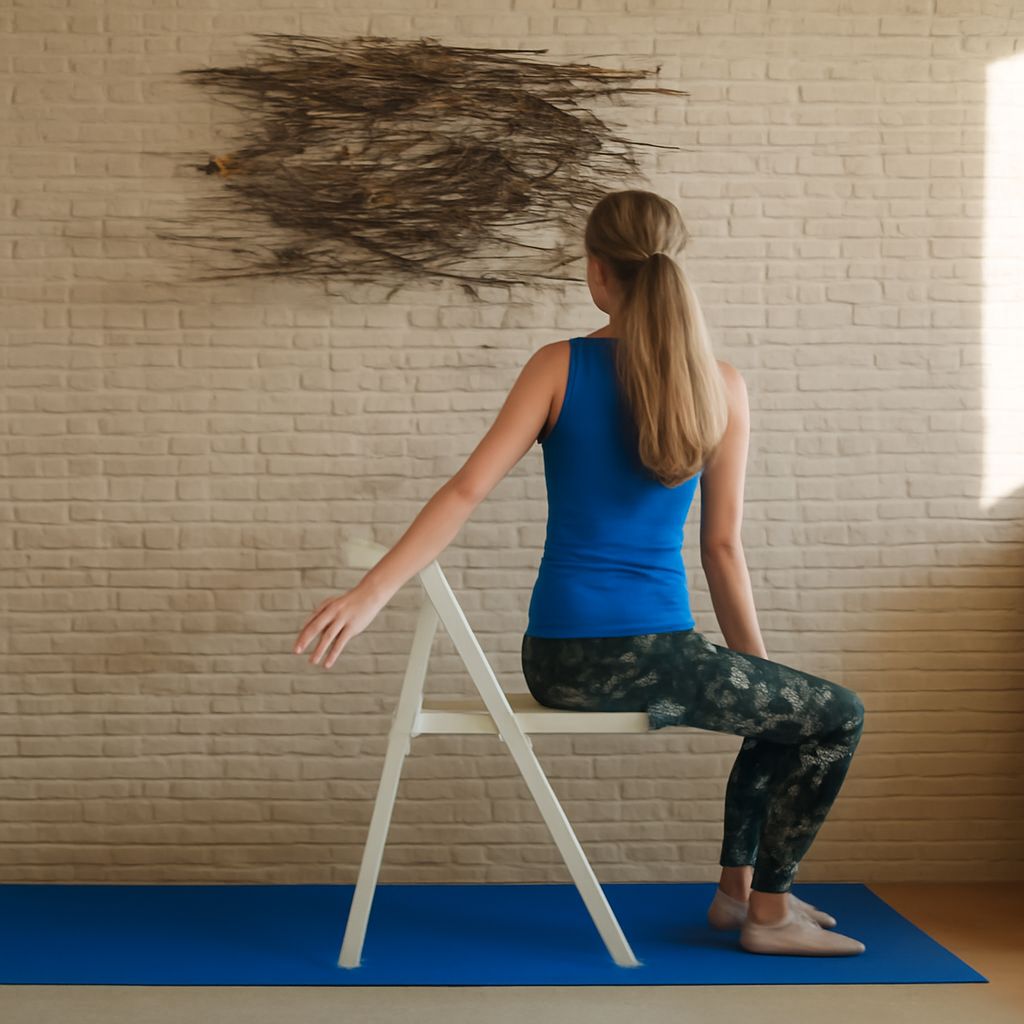
Many older adults assume that yoga requires getting up and down from a floor mat repeatedly. That assumption keeps a lot of people from trying a practice that could genuinely improve their quality of life. Chair yoga for seniors removes the floor entirely. Every posture adapts to a seated or standing position using a chair as support. Strength, flexibility, balance, and breath work are all accessible from this format. A study published in the International Journal of Yoga Therapy found that eight weeks of chair yoga significantly reduced pain and fatigue in older adults with osteoarthritis.
The equipment side of the practice also confuses people. A pilates chair for sale is not the same as a regular chair used in chair yoga. A Pilates Wunda chair is a spring-loaded piece of equipment used for reformer-style exercises and costs between $500 and $2,000. Chair yoga for aging adults uses any stable chair with a flat seat and no armrests, which is available in every home for free. Chair yoga certification programs teach instructors to adapt poses specifically for yoga for seniors with arthritis, balance disorders, and post-surgical rehabilitation. And for those who prefer home practice, yoga dvd for seniors options provide guided sessions without requiring a class or commute.
Essential Chair Yoga Poses for Arthritis and Joint Mobility
Targeting Specific Joint Groups Through Seated Practice
Seated cat-cow is the most foundational move in any chair yoga sequence for joint health. Sit near the front of the chair, hands on knees. Inhale to arch the spine and lift the chest. Exhale to round the spine and draw the chin toward the chest. Move slowly, eight to ten rounds, coordinating breath with motion. This directly targets the cervical, thoracic, and lumbar spine simultaneously. For people with spinal stenosis, keep the backbend shallow. For those with cervical arthritis, skip the full chin-to-chest on the exhale and just look straight ahead.
Seated ankle circles address the most overlooked joint in senior fitness. Sit tall, lift one foot slightly off the floor, and rotate the ankle in slow circles ten times in each direction. Switch feet. This improves synovial fluid circulation in the ankle joint, which reduces morning stiffness and improves proprioception. Better ankle proprioception is one of the most effective interventions for fall prevention in older adults.
Seated hip flexor stretches counteract the shortening that comes from long periods of sitting. Sit at the edge of the chair, slide one leg back until the toes touch the floor behind you. Keep the torso upright. Hold thirty to sixty seconds, then switch. This is a gentle lunge without any floor work. People with hip replacements should check with their surgeon before attempting this, as some protocols restrict hip extension angles in the first three months post-surgery.
Chair-supported warrior pose uses the chair back for balance during a standing side stretch. Stand behind the chair, hold the top of the backrest, step one foot back two to three feet, and press the back heel down firmly. Reach the opposite arm overhead and lean gently toward the front. This standing variation targets the latissimus dorsi and hip flexors while keeping balance support available throughout.
At-Home Practice and Instructor Certification Options
Guided home practice works well for seniors who have already learned proper alignment from a few live classes. Video resources that specifically address arthritis modifications show which ranges of motion to avoid during flare periods and which to pursue during remission. The best at-home videos for older adults use slow pacing, clear verbal cuing, and frequent reminders to breathe. Sessions under twenty minutes are more likely to be completed consistently than forty-five-minute programs.
Chair yoga instructor certification programs typically run twenty to forty hours and cover anatomy of aging, adaptive cuing, fall prevention principles, and working with common chronic conditions. Some programs offer online completion. E-RYT 200 registered yoga teachers can add chair yoga certification as a specialty through organizations like YogaFit, Accessible Yoga, or the Integrative Yoga Therapy program. These certifications allow graduates to teach in senior centers, assisted living facilities, and physical therapy clinics.
For individuals managing arthritis, consistency matters more than session length or intensity. Three fifteen-minute seated sessions per week, practiced at the same time each day, reduce joint stiffness more effectively than sporadic longer sessions. Morning practice before the day’s inflammation accumulates tends to produce the best outcomes for people with rheumatoid arthritis. Evening practice works better for those with osteoarthritis who are stiffest after activity later in the day.