Military Calisthenics: The No-Equipment Training System That Actually Works
Gym enthusiasts often dismiss bodyweight training as insufficient for real strength development. The fitness standards of special operations units around the world directly contradict that assumption. Military calisthenics programs produce pull-up maxes of 20-plus reps, two-minute push-up counts over 80, and running paces that most gym-trained athletes cannot sustain. These results come not from fancy equipment but from structured progressive overload applied to bodyweight movements performed at high frequency and intensity. The fundamental insight is that your body does not know the difference between a barbell and gravity. It responds to tension, volume, and progressive challenge regardless of the implement.
A structured military calisthenics workout looks very different from the random bodyweight circuits you find on social media. It periodizes volume and intensity across training days, prioritizes recovery, and tracks specific performance metrics rather than general fatigue. A dedicated calisthenics chest workout within this system uses push-up variations, dips, and ring push-ups to load the pectorals and triceps progressively over weeks. A calisthenics workout no equipment program needs only your body, a pull-up bar, and a floor surface. The barrier to entry is essentially zero. Several coaches now offer their complete training systems as a calisthenics pdf download for independent study and offline reference.
Building a Military-Grade Calisthenics Program from Scratch
Start with honest baseline testing. Count your maximum strict push-ups in one set, your maximum strict pull-ups, and your maximum bodyweight squats before rest-pausing. Record these numbers. Every training block of four weeks should produce measurable improvements in at least two of the three metrics. If it does not, volume or frequency is insufficient or recovery is inadequate.
Push-up progressions follow a clear ladder. Standard push-ups with strict form (chest touches the floor, full elbow lockout at the top, no sagging hips) build the base. Once you can do 25 strict reps, advance to close-grip push-ups, which shift load toward the triceps and upper pectorals. After 20 reps close-grip, add archer push-ups, extending one arm fully to the side as you lower toward the bent arm. Archer push-ups are a direct precursor to the one-arm push-up, the standard marker of serious bodyweight chest development.
Pull-up progressions use the same ladder logic. Dead hangs build grip and shoulder stability first. Negative pull-ups, jumping to the top position and lowering under control over five seconds, build eccentric pulling strength before concentric strength develops. Once you reach three strict pull-ups, begin accumulating volume through multiple sets with moderate rest. Most military fitness programs target pull-up performance by doing three to five sets at 50–60% of maximum reps throughout the training day rather than one maximum effort set per workout.
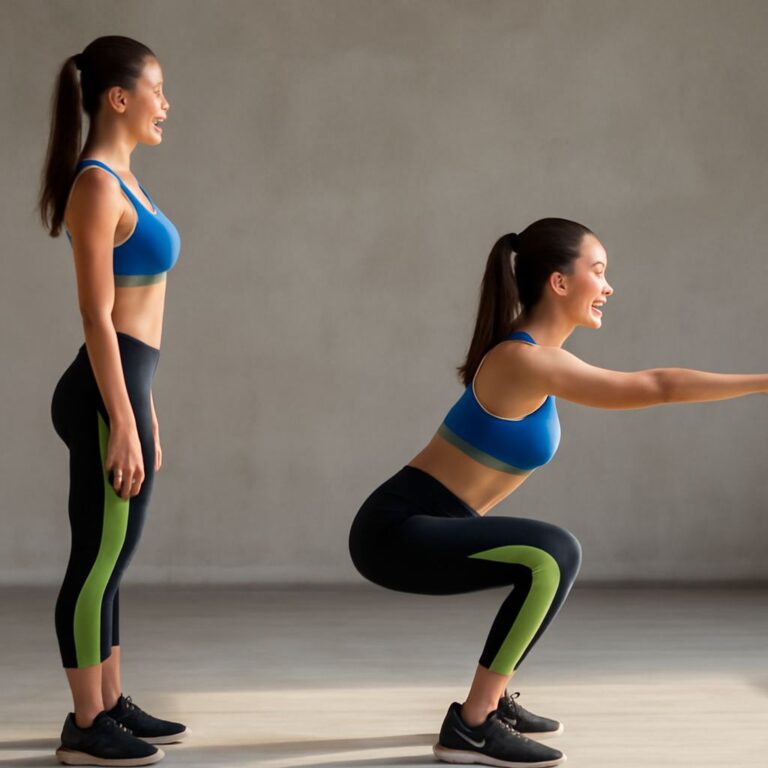
Lower body work in military calisthenics centers on squat volume and single-leg progressions. Pistol squats, a full single-leg squat to the floor with the opposite leg extended, develop the hip strength and ankle mobility that bilateral squats do not require. Work toward pistols through box pistols, decreasing the box height by two inches every two weeks. The full pistol squat at bodyweight produces similar quad and glute activation to a barbell back squat at approximately 60% of bodyweight, according to comparative electromyography research.
Running integrates with the calisthenics program rather than competing with it. Military fitness standards require both strength and cardiovascular endurance simultaneously. Run two to three times per week on non-consecutive days from your heavy calisthenics sessions. Use 400-meter repeats at 5K pace to build speed, and one longer run at conversational pace per week to build aerobic base. The combination of strength training and running at this volume produces the work capacity profile that military fitness standards measure.
Rest and sleep are the parts of military calisthenics that fitness media most consistently undercovers. Training at high frequency without adequate sleep (seven to nine hours) produces cortisol accumulation, slower tissue repair, and performance regression. Professional military training schedules training and recovery with equal intentionality. Applying that same discipline to a civilian program means protecting sleep as actively as protecting training time.
Next steps: Test your baseline push-up, pull-up, and squat numbers this week. Choose a four-week training block with specific daily volume targets. Download a structured calisthenics program as a PDF reference. Retest at the end of week four and adjust the next block based on what improved and what did not.