Your Yoga Practice: Building a Personal Routine That Fits Your Real Life
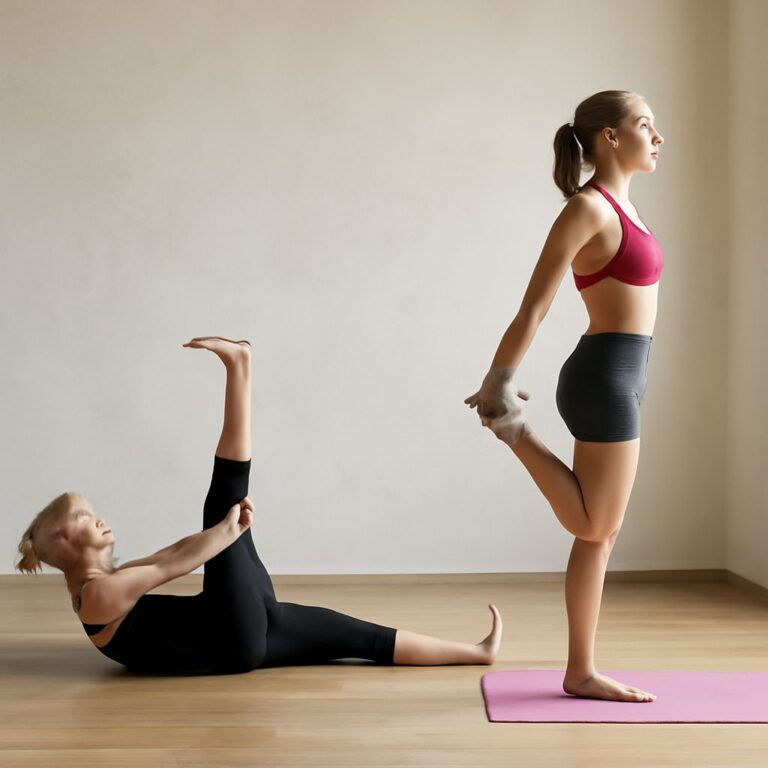
The fitness industry tells you that your yoga practice needs to look like what you see in studio photos: clean space, matching activewear, sixty minutes minimum. That picture discourages more people than it motivates. Real yoga practice happens on a bedroom floor with five minutes before work. It happens at a yoga now moment when the kids are napping and the mat is already out. It happens at a yoga gym during a lunch break on a rubber mat between weight racks. The practice does not require ideal conditions. It requires showing up with whatever time and space you have.
The depth of your yoga experience depends far more on attention than on the number of classes you attend per week. A fifteen-minute practice where you fully inhabit each posture and track your breath produces more physiological and psychological benefit than a sixty-minute class where you spend forty-five minutes distracted by your phone notifications. Yoga and wellness research consistently shows that the determining factor for long-term benefit is practice frequency, not session duration. Three short sessions per week produce better outcomes than one long session per week when total volume is equivalent.
Designing a Personal Practice That Matches Your Schedule
Choosing Session Length and Style Based on Your Week
Map your actual available time slots before choosing a practice structure. Use last week’s calendar, not an idealized future week. Identify three to four recurring windows of fifteen to thirty minutes where you were not fully committed to something else. Those are your practice windows. Structure your yoga routine around them rather than hoping you will find time spontaneously.
Morning sessions work best for active, dynamic sequences because cortisol and body temperature are rising naturally. Ten sun salutations at 6 AM produces more alertness benefit than the same sequence at 8 PM. Evening sessions suit restorative and yin practice because the parasympathetic nervous system is more active later in the day, and the body responds more readily to long-held passive stretches after the muscular activity of the waking hours.
Midday practice at a gym or workplace works for people with flexible lunch hours. Fifteen minutes of standing poses, a brief seated forward fold, and two minutes of breathing in a quiet space is enough to reset focus and reduce afternoon cortisol spikes. You do not need a shower afterward if you work at a low intensity. Body temperature and perspiration normalize within five to eight minutes of stopping active movement.
Track your sessions for thirty days using a simple paper log: date, session length, how you felt before and after on a 1-10 scale. At the end of the month, look for patterns. Most people discover that two or three types of practice feel consistently good and two or three feel consistently draining or difficult. That data lets you structure the next month around what works rather than what you think should work.
Yoga at the Gym: Making It Work Without a Studio Environment
A yoga mat in a gym stretching area provides a perfectly functional practice space. Noise and visual distraction are manageable with earbuds playing ambient sound or instrumental music at low volume. Keep sessions simple when training at a gym: five to seven postures done well outperforms twenty postures done distractedly in a busy environment.
The biggest practical challenge in gym yoga is having the mat available without carrying it separately. A towel yoga mat, which is a microfiber mat with a rubber backing, folds small enough to fit in a gym bag pocket. These are not ideal for hot yoga, but for gym-based practice at room temperature they work as well as a standard mat for standing and seated sequences.
Yoga integrated with weight training produces better overall performance than either practice alone. Yoga after lifting sessions reduces delayed-onset soreness and improves recovery speed. The parasympathetic state you enter during cool-down yoga accelerates the reduction of training-related inflammation. Ten minutes of yoga after every weight training session, focusing on the muscle groups you just trained, produces measurable recovery benefits within two weeks of consistent application.
Next steps: Block three specific time slots in your calendar this week for yoga practice, even if each is only fifteen minutes. Choose session types that match the time of day. Write down how you feel before and after each session. Repeat for four weeks before changing anything. Consistency in a simple structure beats variety in a complicated one.