Prenatal Pilates and Yoga: What to Know Before You Begin
Many pregnant people assume that prenatal pilates is only for those who were already active before conception, or that prenatal yoga classes require expensive memberships and flexible bodies. Both assumptions are wrong. Movement during pregnancy — when medically cleared — is associated with shorter labors, reduced back pain, better sleep, and lower rates of gestational diabetes. The confusion lies in knowing what’s safe, what’s modified, and what should be avoided as your body changes trimester by trimester. A yoga baby connection — the idea that your movement practice benefits the baby as well as you — is supported by research showing that maternal stress reduction and improved circulation positively affect fetal development. Attending pregnancy yoga classes or following a structured prenatal yoga sequence at home are both valid approaches, depending on your access and preferences.
The myth that any form of exercise risks harming the baby keeps many pregnant people sedentary when movement would serve them. The American College of Obstetricians and Gynecologists recommends 150 minutes of moderate-intensity exercise per week during uncomplicated pregnancies. Pilates and yoga, when adapted, fall squarely within that guidance.
What Prenatal Pilates and Prenatal Yoga Classes Actually Offer
Prenatal pilates and yoga share a core benefit: both train your body for the physical demands of labor and postpartum recovery. Pilates targets the deep core stabilizers — the transverse abdominis and pelvic floor — that support your growing uterus and will help you recover faster after birth. Yoga adds flexibility, breath awareness, and the ability to stay calm under physical stress — exactly the skills useful during contractions.
Prenatal yoga classes go beyond postures. A qualified instructor will offer modifications for every trimester, guide you through breath-focused relaxation, and create a community with others at similar stages. Group classes also provide accountability and the chance to ask questions in real time. Many hospital systems and birth centers offer these classes, and most are affordable or covered by insurance as childbirth education.
What prenatal classes won’t typically teach you is postpartum recovery — that’s a separate phase. But the breath and body awareness you develop during pregnancy directly applies to healing after delivery. The pelvic floor work you do in a prenatal pilates session is the same foundational work recommended by pelvic floor physical therapists postpartum.
How to Find Qualified Pregnancy Yoga Classes
Not every yoga teacher is trained in prenatal modifications. Look for instructors with a specific prenatal certification — the Yoga Alliance recognizes RPYS (Registered Prenatal Yoga School) credentials. Ask explicitly whether the teacher has experience working with all three trimesters, not just early pregnancy. A good prenatal yoga teacher will ask about your ob-gyn clearance, any complications, and your comfort with specific positions before your first class. If an instructor doesn’t ask these questions, that’s worth noting. Pregnancy yoga classes at established studios, hospital systems, or birth centers generally maintain higher standards than general fitness facilities offering occasional prenatal sessions.
Building a Safe Prenatal Yoga Sequence at Home
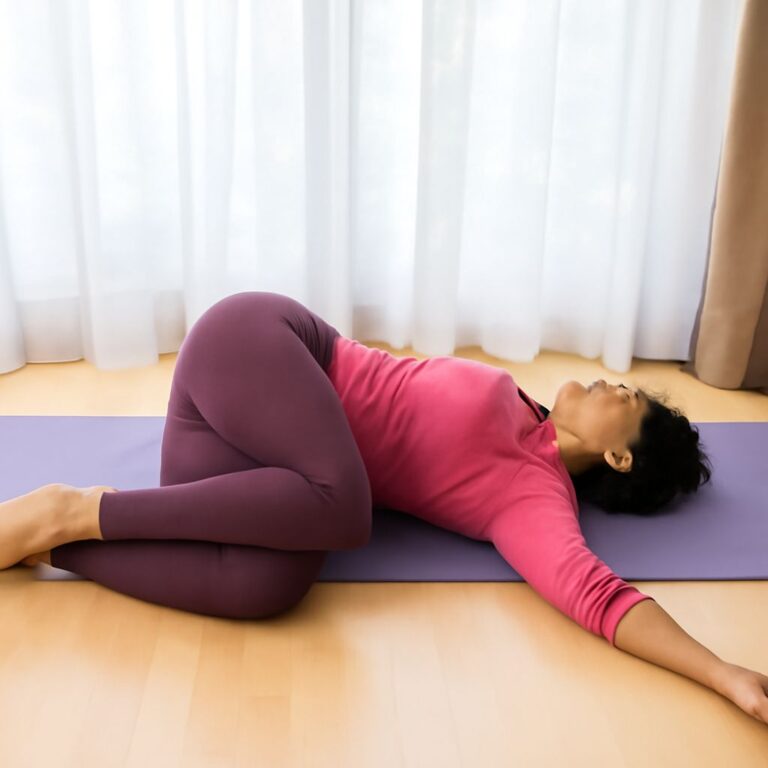
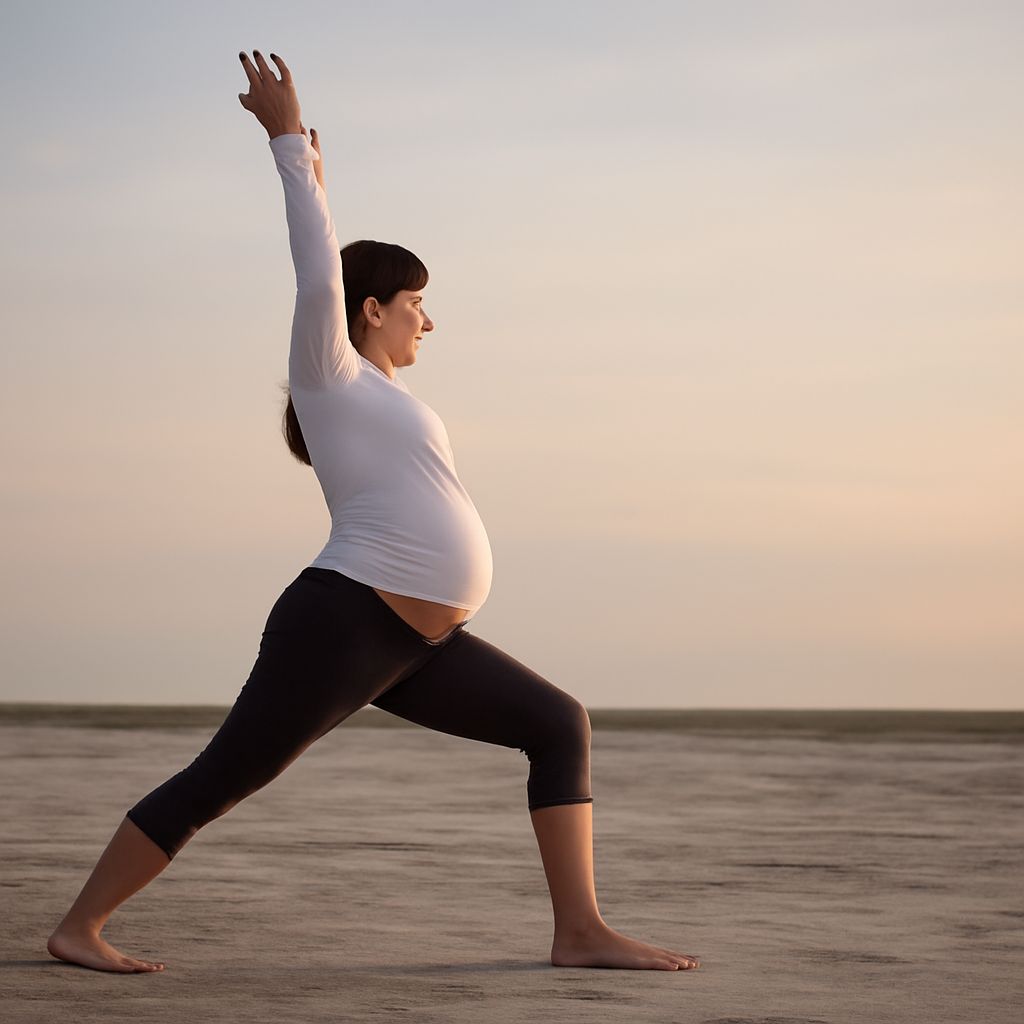
A home prenatal yoga sequence needs to account for trimester-specific changes. In the first trimester, most yoga postures are accessible with minor modifications — avoid deep twists that compress the abdomen and stay hydrated. In the second trimester, as your center of gravity shifts, balance poses need a wall or chair for support, and supine positions should be limited after 20 weeks due to pressure on the vena cava. In the third trimester, the focus shifts to hip opening, gentle strength, and breath.
A safe home sequence for the second and third trimesters might include:
- Cat-Cow (5 rounds): Relieves lower back pressure and encourages optimal fetal positioning.
- Supported Warrior II (5 breaths each side): Builds leg strength and opens hips without compressing the belly.
- Goddess Pose (8 breaths): Strengthens inner thighs and opens the pelvis for birth preparation.
- Supported Child’s Pose (1–2 min): Use a bolster or blankets to create space for the belly; relieves hip and back tension.
- Side-Lying Savasana (5 min): Rest on your left side with a pillow between your knees for final relaxation.
Always move at a pace where you can speak full sentences — that’s your indicator of appropriate exertion during pregnancy. Bottom line: prenatal movement, done with proper guidance, is one of the most evidence-supported investments you can make in your birth experience and recovery. Start where you are, get your ob-gyn clearance, and move consistently rather than intensely.