What to Wear to Yoga: A Practical Guide for Every Style and Body
Figuring out what to wear to yoga shouldn’t require a shopping trip to a specialty boutique or a $120 pair of leggings. The myth that you need premium activewear to practice yoga keeps beginners from showing up — and keeps experienced practitioners spending money they don’t need to spend. What to wear to yoga class comes down to three functional requirements: fabric that moves with you, a fit that doesn’t shift during inversions, and nothing so loose it falls in your face during a forward fold. What to wear for yoga doesn’t require a specific brand. It requires cotton-spandex or polyester-spandex blends that handle sweat and stretch simultaneously. What to wear to a yoga class varies by style — a Restorative class has different demands than a hot Vinyasa flow. And what do guys wear to yoga? The same things: fitted shorts or joggers, a moisture-wicking shirt, and bare feet. The gender-specific section of this guide exists because search data shows men ask this question separately, not because the answer differs much.
The real decisions aren’t about brand — they’re about fit, fabric, and the specific demands of your practice style.
Fabric and Fit: What Actually Matters When Choosing Yoga Clothes
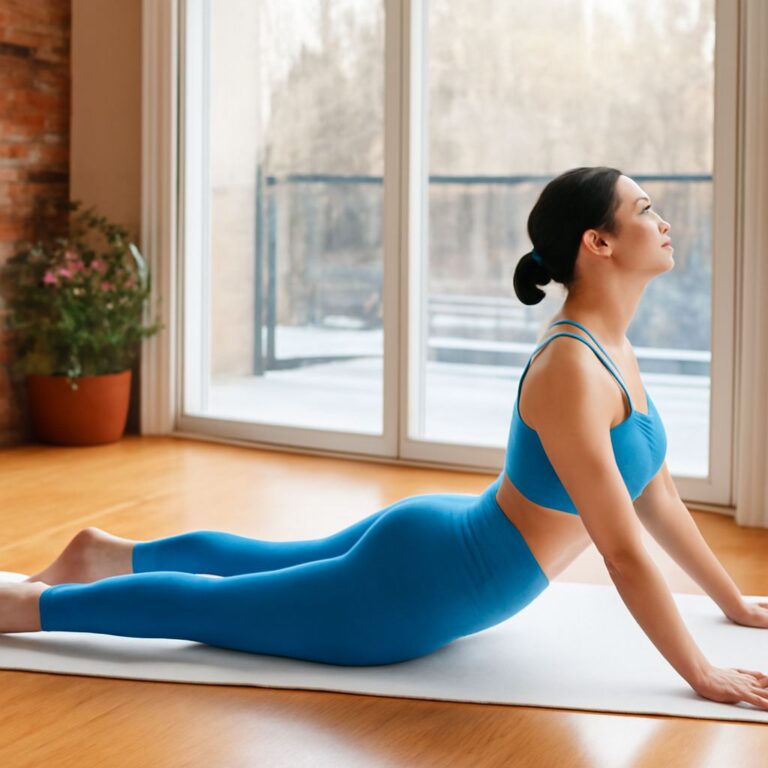
The fabric requirement for yoga is simple: four-way stretch and moisture management. Four-way stretch means the fabric extends in all directions — critical for hip openers, forward folds, and any posture that requires your clothing to move with you rather than against you. Moisture management means the fabric wicks sweat away from your skin rather than holding it, which prevents chafing and keeps you comfortable through longer sessions. Cotton alone fails at moisture management — it holds sweat and becomes heavy. Cotton-spandex blends (typically 90/10 or 95/5) give you stretch and breathability but can retain moisture in more intense practices. For heated yoga, a synthetic blend — polyester or nylon with spandex — outperforms cotton-based options.
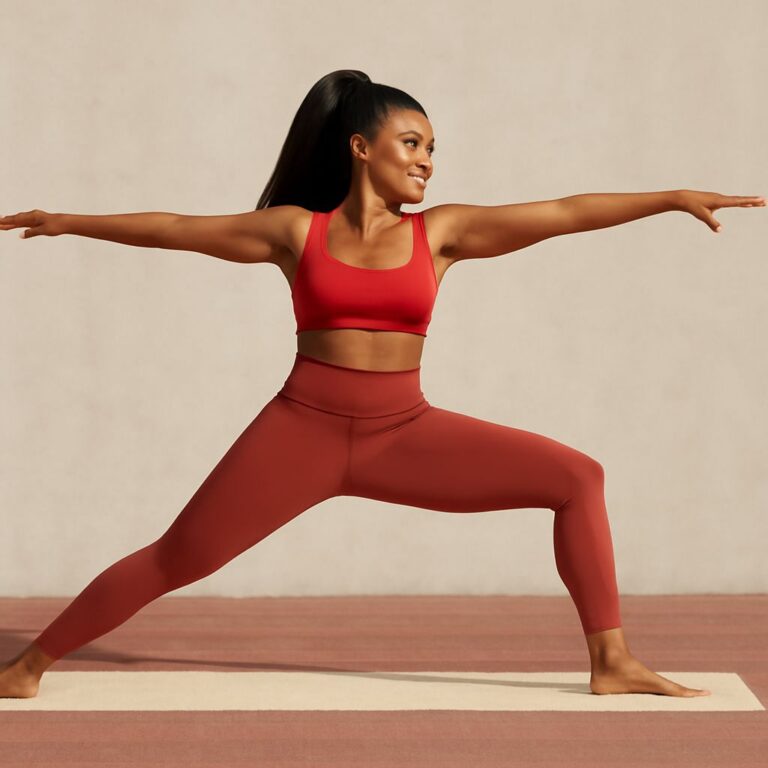
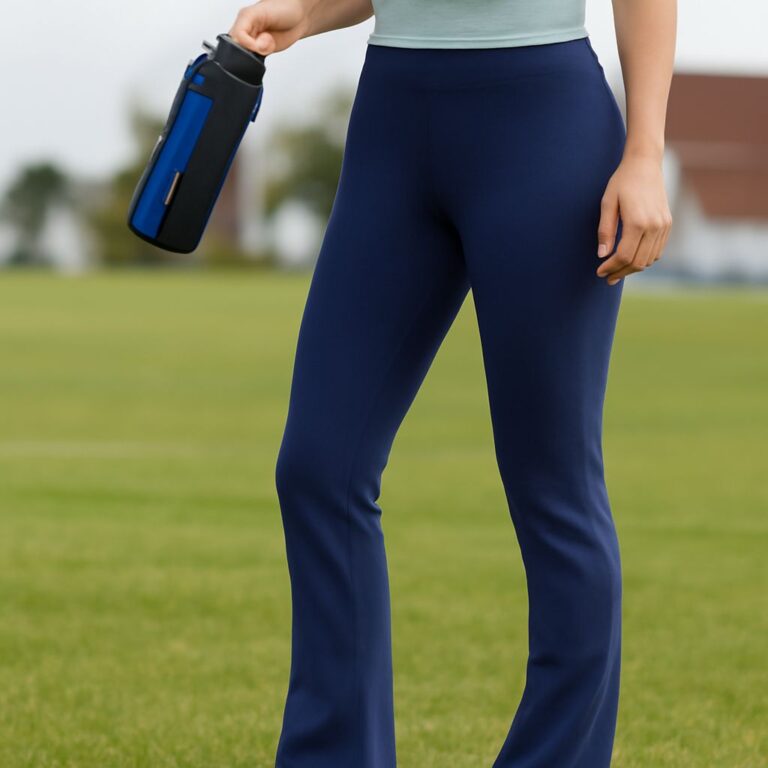
Fit is equally important. Leggings or fitted shorts should sit at your natural waist and stay there through a Sun Salutation sequence. Test the fit before buying: stand, fold forward, lunge deeply, and raise your arms overhead. If the waistband slides down or the fabric becomes transparent when stretched, it won’t work for class. For tops, choose fitted rather than loose for any pose that involves going upside down or leaning forward. A loose shirt falls forward in Down Dog and requires constant adjustment. A fitted tank or athletic shirt eliminates that friction entirely.
What Do Guys Wear to Yoga: A Direct Answer
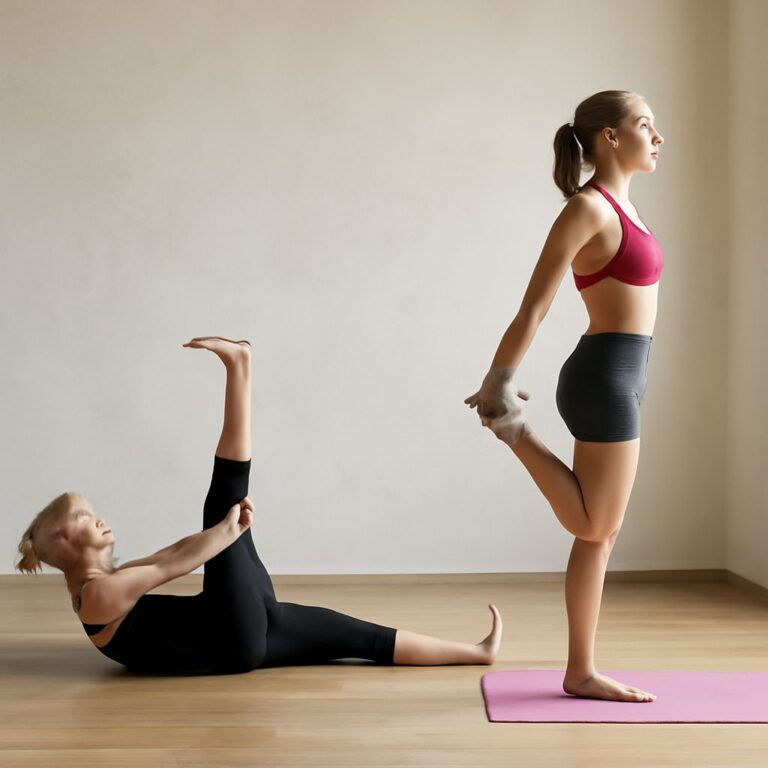
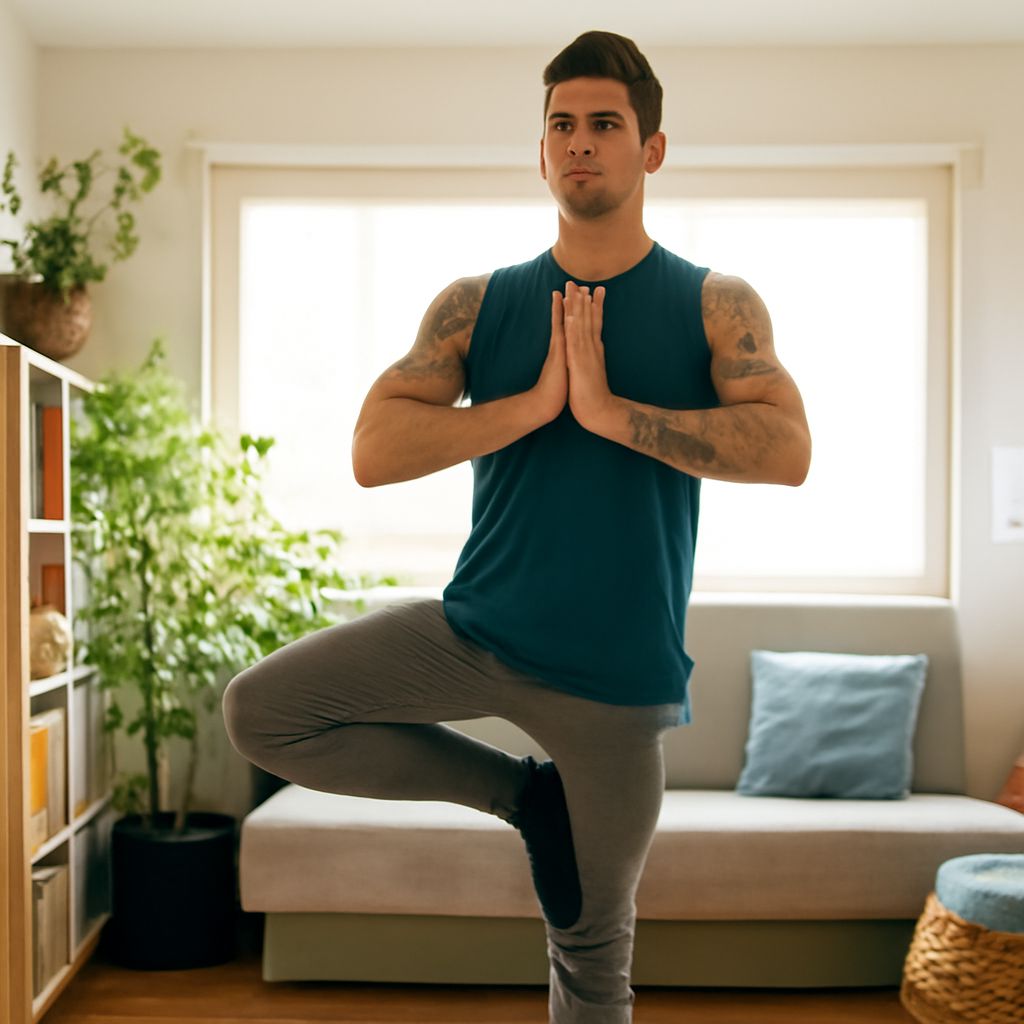
Men asking what to wear to yoga typically want a short, clear answer: fitted athletic shorts (5-inch inseam or longer) or fitted joggers, paired with a moisture-wicking athletic shirt. Compression shorts underneath standard athletic shorts prevent any awkward shifting during wide-stance postures. For hot yoga, a fitted athletic shirt or going without a shirt (in studios where that’s permitted) both work — what matters is sweat management, not coverage level. For cooler styles like Yin or Restorative, comfortable fitted joggers and a lightweight long-sleeve work well. The same considerations apply for any practitioner asking what to wear to a yoga class: function over fashion, fit over brand.
Dressing for Your Yoga Style: A Quick Reference
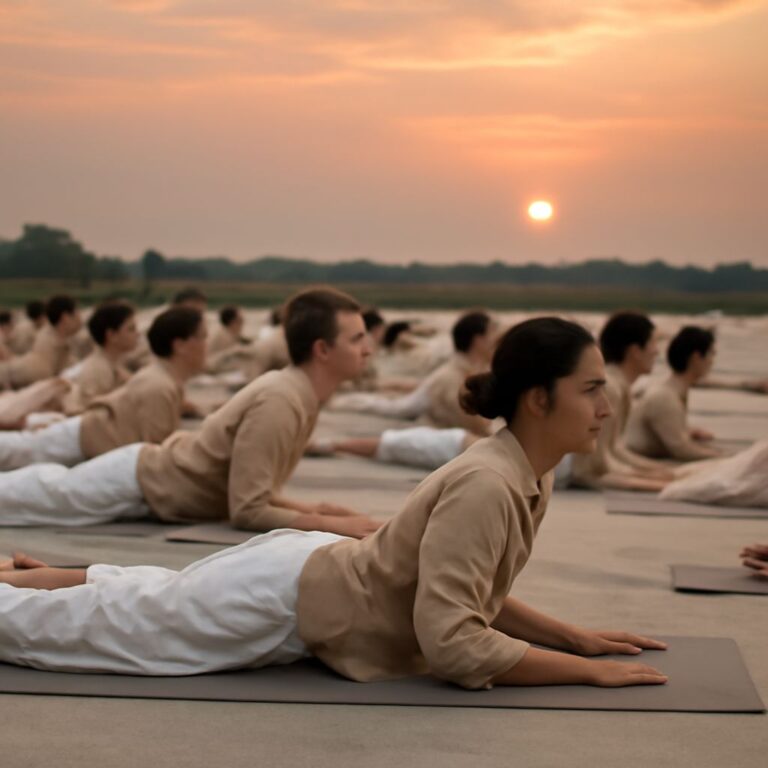
Different yoga formats create different clothing demands. Vinyasa and Power Yoga involve continuous movement, transitions, and sweat — prioritize synthetic moisture-wicking fabrics and snug fits. Hot yoga adds a heated environment (typically 95–105°F) — lightweight fabrics and minimal layers matter more here than anywhere else. Yin Yoga involves long holds in floor postures — layers work well because you may want to remove a layer as you warm up or add one during Savasana. Ashtanga follows a fixed sequence with demanding athletic postures — performance fabrics that move freely and handle sweat are essential.
The one universal requirement across all styles: bare feet. Yoga is practiced without shoes. Grip socks are optional and useful on slippery studio floors or for practitioners with cold feet. They’re not required, and many practitioners prefer the direct floor contact of bare feet for proprioceptive feedback during balance postures.
What you wear also signals to your nervous system that it’s time to practice. Designating specific clothes for yoga — whatever they are — creates a mental transition from daily life to practice time. That psychological cue is worth more than any specific brand or fabric technology. Buy what fits your body, moves with it, and lets you focus on the practice rather than your clothes.