How Much Does a Barbell Weigh? Equipment Weights and Power Costs Explained
How much does a barbell weigh is a question that sounds simple but has a more complicated answer than most gym newcomers expect. The weight of barbell types varies significantly depending on the bar’s design, intended use, and construction standard. A standard Olympic barbell weighs 20 kilograms (44 pounds). A women’s Olympic barbell weighs 15 kilograms (33 pounds). A trap bar, a safety bar, and an EZ curl bar all have different weights. How much does a treadmill weigh is a completely different category — but equally underestimated by buyers who plan to move equipment between rooms or up stairs. How much does a barbell bar weigh versus the plates is the practical question for lifters programming their training loads. And how much electricity does a treadmill use is a running cost question that affects the total ownership calculation for home gym equipment significantly over a multi-year period.
This guide answers all of these questions directly with specific numbers.
How Much Does a Barbell Weigh: Type-by-Type Breakdown
The weight of barbell types in common use varies across a wider range than most people realize:
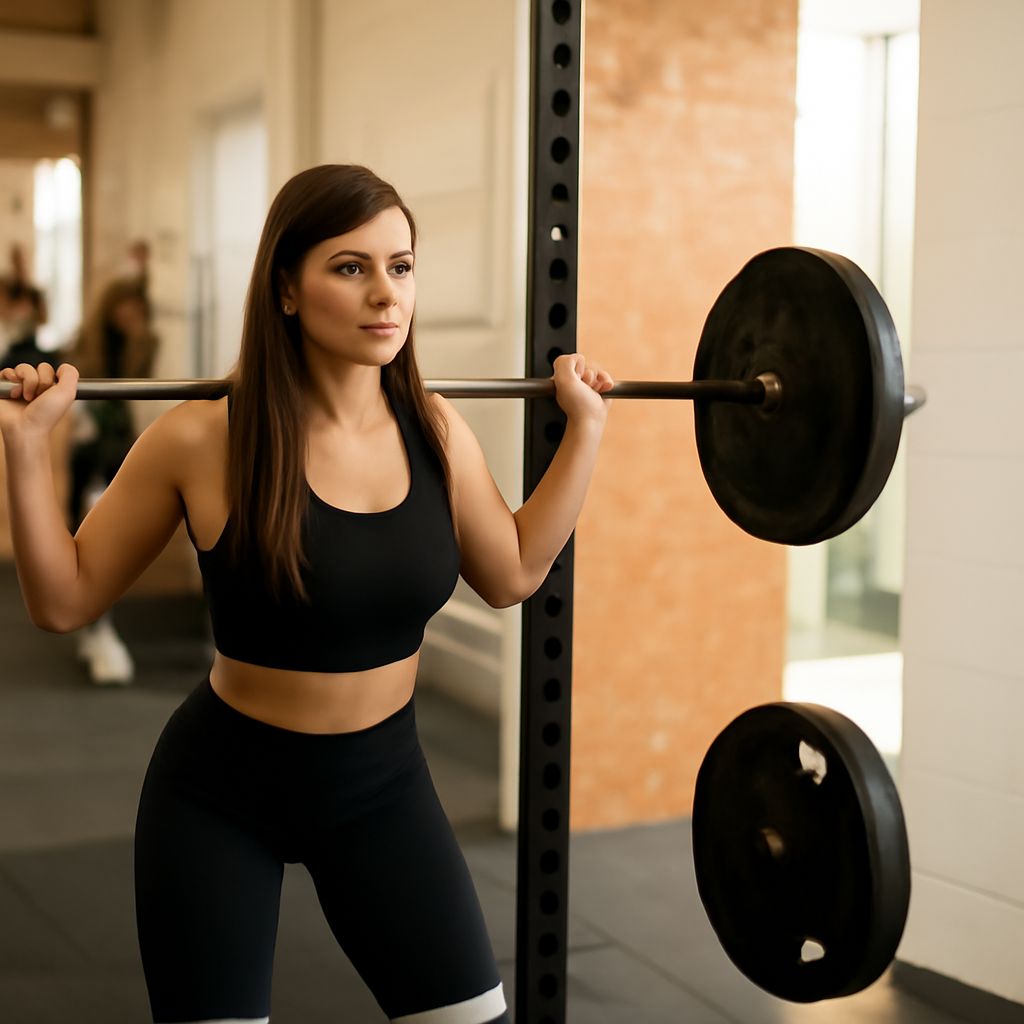
- Standard Olympic barbell (men’s): 20 kg (44 lbs). This is the IWF (International Weightlifting Federation) standard, used in competitive Olympic lifting and adopted by most commercial gyms.
- Standard Olympic barbell (women’s): 15 kg (33 lbs). Shorter (201 cm vs. 220 cm), thinner grip diameter, and lighter — designed for the lighter total loads in women’s weightlifting competition.
- Powerlifting barbell (IPF standard): 20 kg (44 lbs). Similar to the men’s Olympic bar but with a stiffer shaft designed for maximal squats, bench presses, and deadlifts.
- Trap bar (hex bar): Typically 25–35 kg (55–77 lbs) depending on manufacturer and model. Always verify your gym’s specific bar before programming loads.
- Safety squat bar: Typically 20–35 kg (44–77 lbs). The camber and yoke add significant mass over a straight bar.
- EZ curl bar: Typically 7–10 kg (15–22 lbs).
- Swiss bar (multi-grip bar): Typically 15–20 kg (33–44 lbs).
How much does a barbell bar weigh in practical terms: always verify the specific bar at your facility. “The bar” is not a fixed weight — it’s a variable that must be known before you can calculate your total load accurately. Gyms that label their bars with their actual weight save their members significant calculation errors.
How Much Does a Treadmill Weigh: What to Know Before Moving One
How much does a treadmill weigh depends heavily on the machine class. Budget folding treadmills weigh 60–80 kg (130–175 lbs). Mid-range commercial-grade home treadmills weigh 80–120 kg (175–265 lbs). Commercial gym treadmills — the type found in large fitness facilities — weigh 120–180 kg (265–400 lbs). These numbers matter for floor loading, stairwell access, and delivery logistics. A standard residential floor is rated for approximately 40 pounds per square foot live load — a 300-pound treadmill on a small footprint approaches this limit, particularly on upper floors. If you’re installing a commercial-grade treadmill on an upper floor, consult a structural engineer before proceeding.
How Much Electricity Does a Treadmill Use: Running Cost Over Time
How much electricity does a treadmill use depends on the motor size and usage pattern. A standard home treadmill with a 2–3 horsepower continuous duty motor consumes approximately 600–900 watts during active use. Running at moderate speed for one hour per day uses roughly 0.6–0.9 kilowatt-hours daily. At a U.S. average electricity rate of $0.13 per kWh (2024), that’s approximately $0.08–0.12 per hour of use, or $29–$44 per year for daily one-hour sessions.
Commercial treadmills with larger motors (3–4+ HP) consume proportionally more. Self-powered (non-motorized) treadmills consume zero electricity during operation — a meaningful long-term cost advantage for high-usage environments. The electricity cost of a treadmill over a five-year ownership period typically runs $150–$220 for standard home models — a minor factor in the total ownership calculation compared to purchase price, maintenance, and belt replacement costs.
Key takeaways: A standard Olympic barbell weighs 20 kg (44 lbs) for men’s bars and 15 kg (33 lbs) for women’s bars — always verify specialty bars individually. Treadmill weights range from 130 to 400+ pounds depending on grade; know your floor’s load rating before placement. Treadmill electricity costs roughly $30–$44 per year for daily one-hour sessions at average U.S. rates.