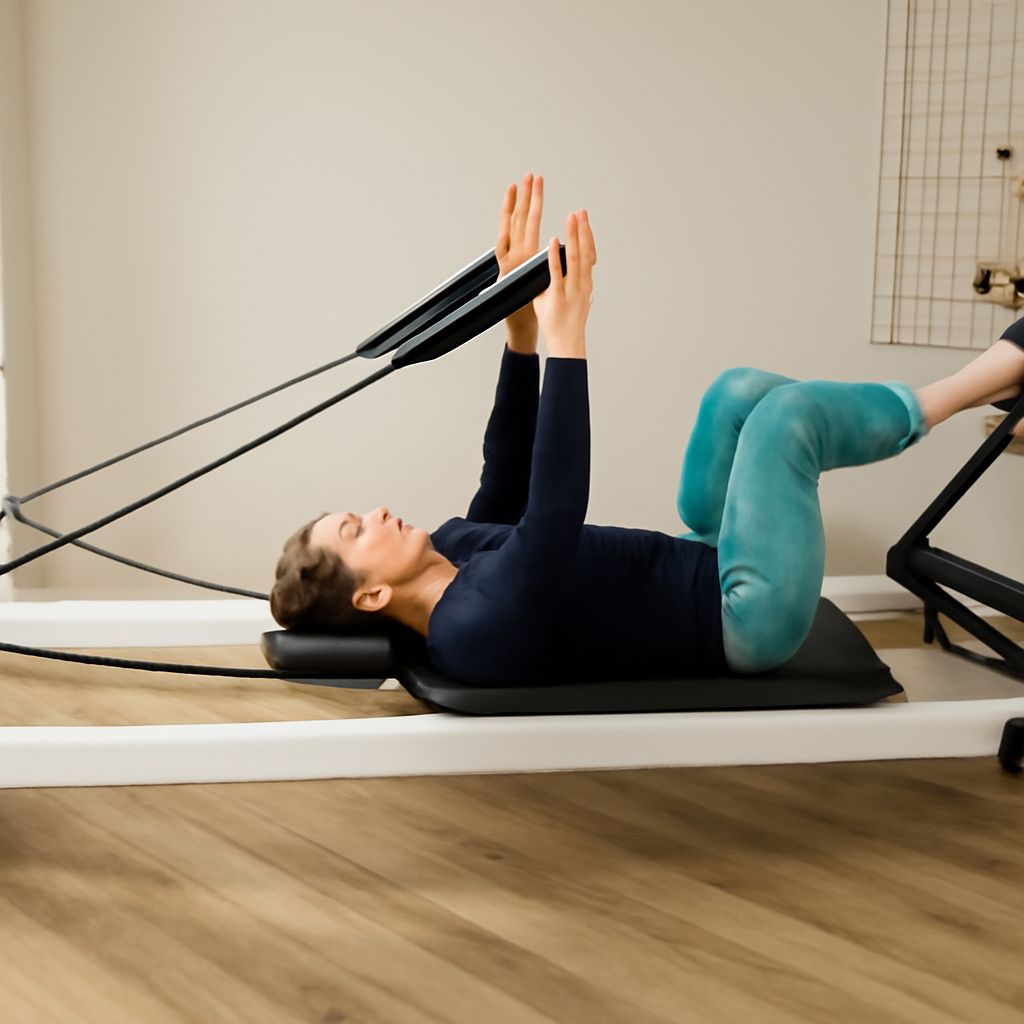
Does Pilates Help You Lose Weight? What the Evidence Actually Shows
The short answer is yes — but with important context. Does pilates help you lose weight depends heavily on frequency, intensity, and what else you are doing in your lifestyle. The question of whether is pilates good for weight loss gets debated frequently, and the answer often frustrates people looking for a simple yes or no. Pilates for weight loss works through a combination of mechanisms: building lean muscle, improving metabolic efficiency, and increasing the quality of movement across other activities. Tracking pilates weight loss progress means looking at body composition changes, not just the number on the scale. Even pilates for kids programs have shown benefits for healthy body weight maintenance through improved movement habits formed early in life.
The myth that pilates is too gentle to produce body composition changes is outdated. Modern reformer-based and athletic mat programs can generate significant muscular demand and caloric output. Here is what actually drives results.
How Pilates Drives Body Composition Change
Pilates builds lean muscle mass, particularly in the deep stabilizers of the core, the glutes, and the posterior chain. Lean muscle raises resting metabolic rate — meaning the body burns more calories at rest after consistent training. This metabolic upshift is modest but cumulative. Over months of regular practice, the effect compounds.
High-intensity pilates formats — especially reformer circuits with minimal rest between exercises — elevate heart rate into ranges that produce meaningful caloric expenditure during the session itself. A vigorous reformer class can burn 300 to 450 calories per hour for an average adult. That figure is lower than running, but higher than yoga or gentle stretching, and it comes with the added benefit of simultaneous strength development.
Pilates also reduces the injury risk from other forms of exercise. Practitioners who use pilates-based conditioning alongside cardio training tend to sustain activity longer with fewer interruptions from injury. Consistent, uninterrupted training is one of the strongest predictors of long-term body composition improvement. The indirect contribution of pilates to weight management through injury prevention is often overlooked in basic comparisons.
For practitioners specifically focused on body fat reduction through pilates, programming choices matter. Higher-repetition, lower-rest reformer work or mat circuits with challenging variations produces more metabolic demand than slow, restoration-focused sessions. Both have value — they serve different goals. Matching session type to your actual objective is more important than debating whether pilates is effective in general terms.
Nutritional context cannot be ignored. No training modality produces significant fat loss without some degree of dietary awareness. Pilates practitioners who combine consistent training with protein-adequate, calorie-appropriate eating see the strongest body composition results. Those who train diligently but eat in a large surplus will see improved strength and posture without meaningful fat reduction, regardless of training quality.
Pro tips recap: Choose higher-intensity reformer or circuit formats if caloric expenditure is your priority. Track body composition, not just weight — pilates builds muscle while reducing fat, and the scale may not reflect real progress. Pair training with nutritional awareness for measurable, lasting change.