Discover Yoga: A Beginner’s Guide to Finding the Right Style
Many people believe yoga is a single, unified practice with one set of rules. That impression stops a lot of people from starting. When you discover yoga for the first time, you enter a world of dozens of distinct styles — each with different physical demands, pacing, and philosophy. To genuinely explore yoga options is to understand that a gentle Yin class and an advanced Ashtanga practice are about as similar as a walk in the park and a marathon. Something truly yoga inspired appears in fashion, fitness, and wellness because the principles underlying the practice translate broadly into everyday life. Reading yoga reviews before committing to a studio or instructor saves time, money, and early discouragement. And local studios like avenues yoga provide community and face-to-face guidance that online content simply cannot replicate.
The good news is that finding your entry point into yoga does not require a deep knowledge of Sanskrit or years of flexibility training. A few concrete steps make the process manageable and actually enjoyable. Here is how to approach it.
How to Choose a Yoga Style That Fits Your Goals
Matching Practice Intensity to Your Current Fitness Level
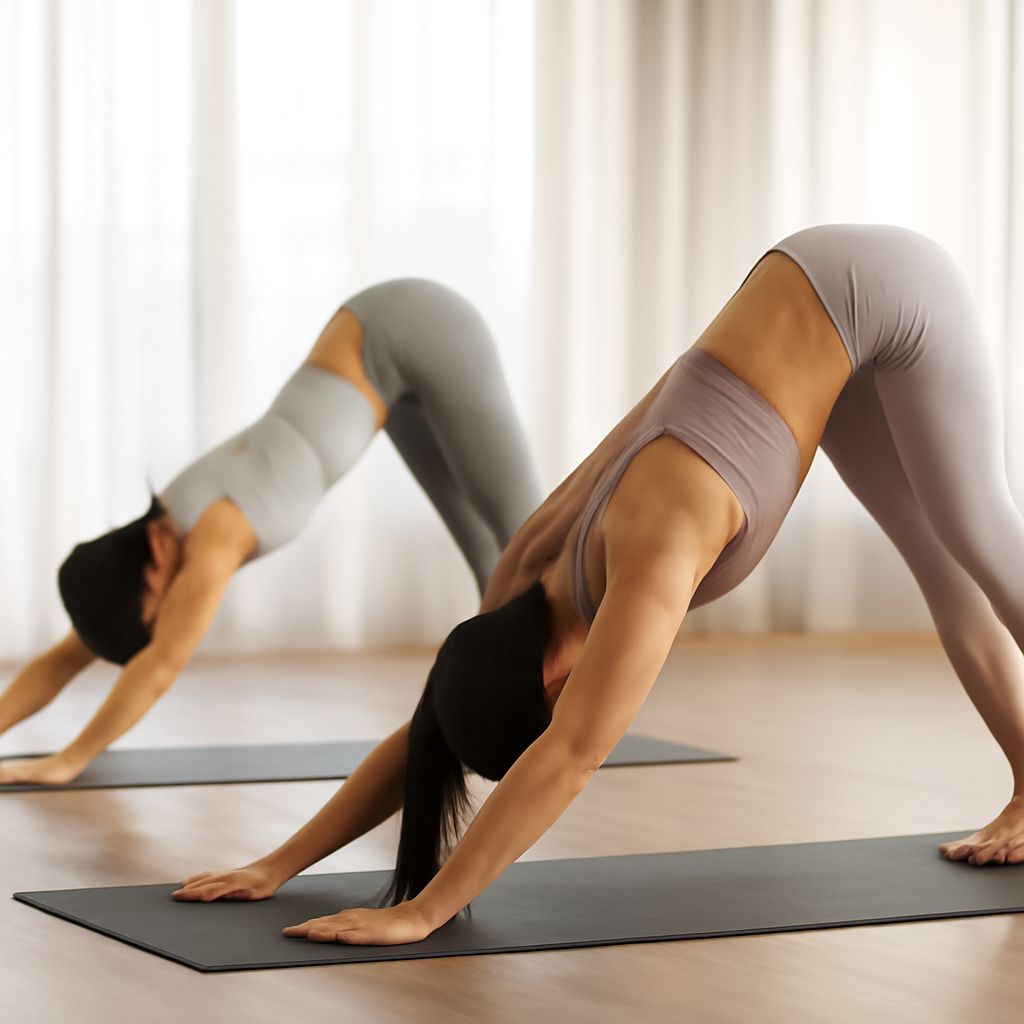
Intensity range in yoga spans from genuinely restorative to athletically demanding. Yin yoga holds poses for two to five minutes in passive, supported positions — it targets connective tissue and the nervous system rather than muscular strength. At the other end, Ashtanga yoga follows a fixed, challenging sequence of postures performed in breath-synchronized movement at a pace that demands significant cardiovascular capacity.
For most beginners, Hatha or gentle Vinyasa styles offer the best starting point. Hatha classes move at a deliberate pace, explaining each pose before practicing it. Gentle Vinyasa maintains flow but stays accessible. These styles build the foundational vocabulary that makes more advanced practices achievable later.
If stress relief is the primary goal, Restorative and Yoga Nidra practices deserve priority consideration. These approaches use props extensively — bolsters, blankets, blocks — to hold the body in supported positions for extended periods while the nervous system down-regulates. The effects on anxiety and sleep quality are well-documented and significant.
Finding Studios, Teachers, and Online Resources Worth Your Time
Studio selection matters more than most beginners realize. A well-reviewed studio with experienced teachers and a clean, welcoming environment makes early practice much more sustainable than a mediocre class at a convenient location. Reading recent yoga studio reviews — specifically those from beginners, not only seasoned practitioners — reveals whether newcomers feel genuinely welcomed and supported rather than overwhelmed.
Trial class policies vary by studio. Most offer single-session or short introductory packages that let you evaluate the teaching quality, class size, and environment before committing to a membership. Use these trial periods deliberately — attend classes with different instructors to gauge whether the studio’s general teaching philosophy matches what you are looking for.
Online yoga instruction has expanded dramatically, offering access to quality teaching for practitioners in any location. The limitation is that online formats cannot provide real-time alignment feedback, which beginners need most. A hybrid approach — regular in-person classes for correction and refinement, supplemented by online practice for frequency and convenience — gives most beginners the best of both options.
Journals or apps tracking your yoga exploration progress keep motivation high during early weeks when progress is less visible than in more strength-focused training. Noting which styles, teachers, and sequences you responded to most strongly builds a personal profile that guides future practice decisions.
Key takeaways: Yoga includes dozens of styles with wildly different demands — match intensity to your current capacity and stated goals. Read real practitioner reviews before choosing a studio. Start with in-person instruction to get alignment feedback, and supplement with online resources as your practice develops.