Creative Yoga: Fresh Approaches to Teaching and Practicing the Ancient Art
The misconception that yoga must be solemn and strictly traditional misses how the practice actually thrives in contemporary contexts. Creative yoga approaches breathe vitality into both classroom instruction and personal practice. The expanding interest in yoga in schools has shown that adapting traditional practices for children and teenagers requires genuine creativity — formal sequencing and Sanskrit terminology often create barriers rather than connections for young students. Laughter yoga exercises offer a scientifically grounded example of creative adaptation: combining unconditional laughter with yogic breathing produces measurable physiological benefits regardless of whether the laughter is spontaneous or intentionally induced. Translating philosophy into yoga in practice for diverse populations demands that teachers move beyond scripted routines. And developing creative yoga sequences keeps long-term practitioners engaged when familiar patterns no longer challenge or inspire.
Creativity in yoga teaching is not about abandoning structure. It means bringing intelligent variation to sequencing, theming, and instruction so that practice remains alive across time. Here is how to apply it.
Creative Sequencing Principles for Teachers and Home Practitioners
Thematic Anchoring and Pose Variation
Building a sequence around a single theme — anatomical, philosophical, or seasonal — gives class participants a coherent experience that transcends a list of poses. A sequence themed around the idea of “finding stability under pressure” might move through grounding standing poses, challenge balance with destabilizing variations, and close with supported inversions. Every pose choice serves the narrative rather than following a generic formula.
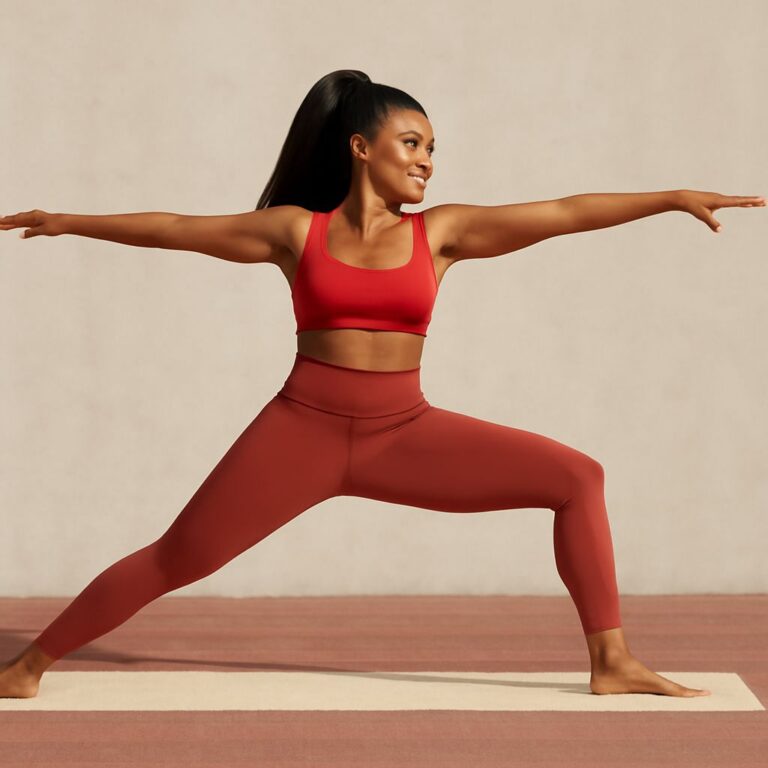
Pose variation within familiar shapes offers a practical creativity tool for any level of practitioner. Warrior II performed on a block raises the demand on ankle stability. The same pose with eyes closed shifts proprioceptive load dramatically. Chair pose held with block between the thighs changes the muscular emphasis completely. These variations require no advanced sequencing knowledge — just intentional attention to what changes when a single variable shifts.
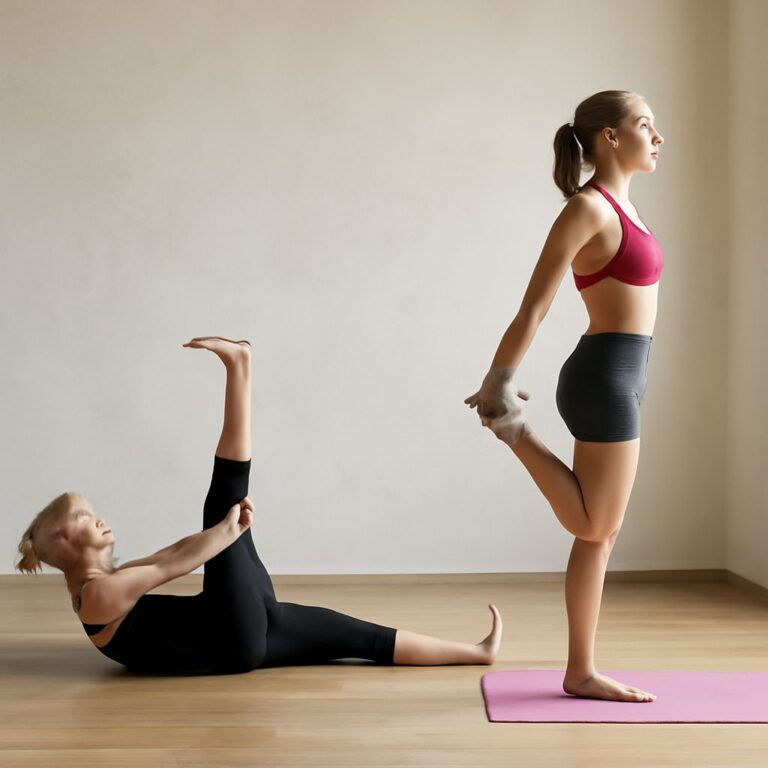
Partner and group work adds a social and spatial dimension to yoga practice that solo work cannot replicate. Even simple adjustments — practicing with a partner mirroring poses, or doing a pose while maintaining a light point of physical contact with another student — introduce novel feedback that breaks habitual movement patterns and builds body awareness differently from solo practice.
Bringing Yoga Into Schools and Non-Traditional Settings
School yoga programs succeed when they meet students where they are — developmentally, energetically, and culturally. That means shorter sequences, more playful naming conventions for poses, and a willingness to use laughter, movement games, and storytelling as entry points. Treating school yoga like a miniaturized adult class misses the opportunity to build genuine connection to mindful movement at an early age.
Corporate and workplace yoga faces similar adaptation demands. Practitioners in office environments often have limited floor space, time, and flexibility. Chair-based sequences that address desk posture — forward head position, rounded shoulders, hip flexor tightness — deliver real value within fifteen minutes. The creative challenge for instructors is making these abbreviated sequences feel complete and purposeful rather than like watered-down versions of a real class.
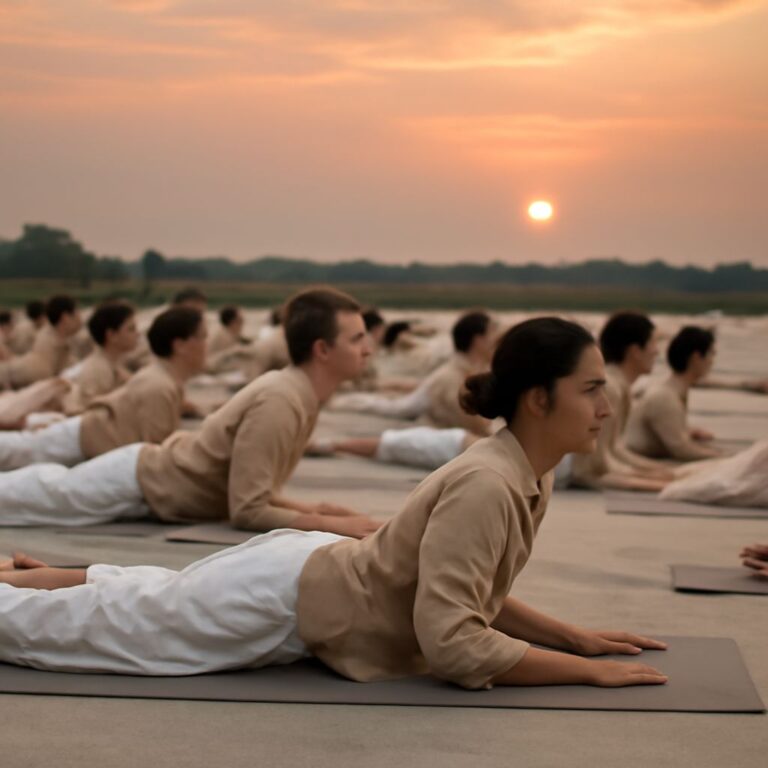
Community yoga events in parks, gyms, and unconventional venues benefit from sequences designed for variable skill levels and unpredictable conditions — wind, uneven ground, limited props. Teaching in these contexts develops a practitioner’s ability to improvise intelligently within a structural framework, which is one of the most valuable skills an experienced yoga teacher can develop.