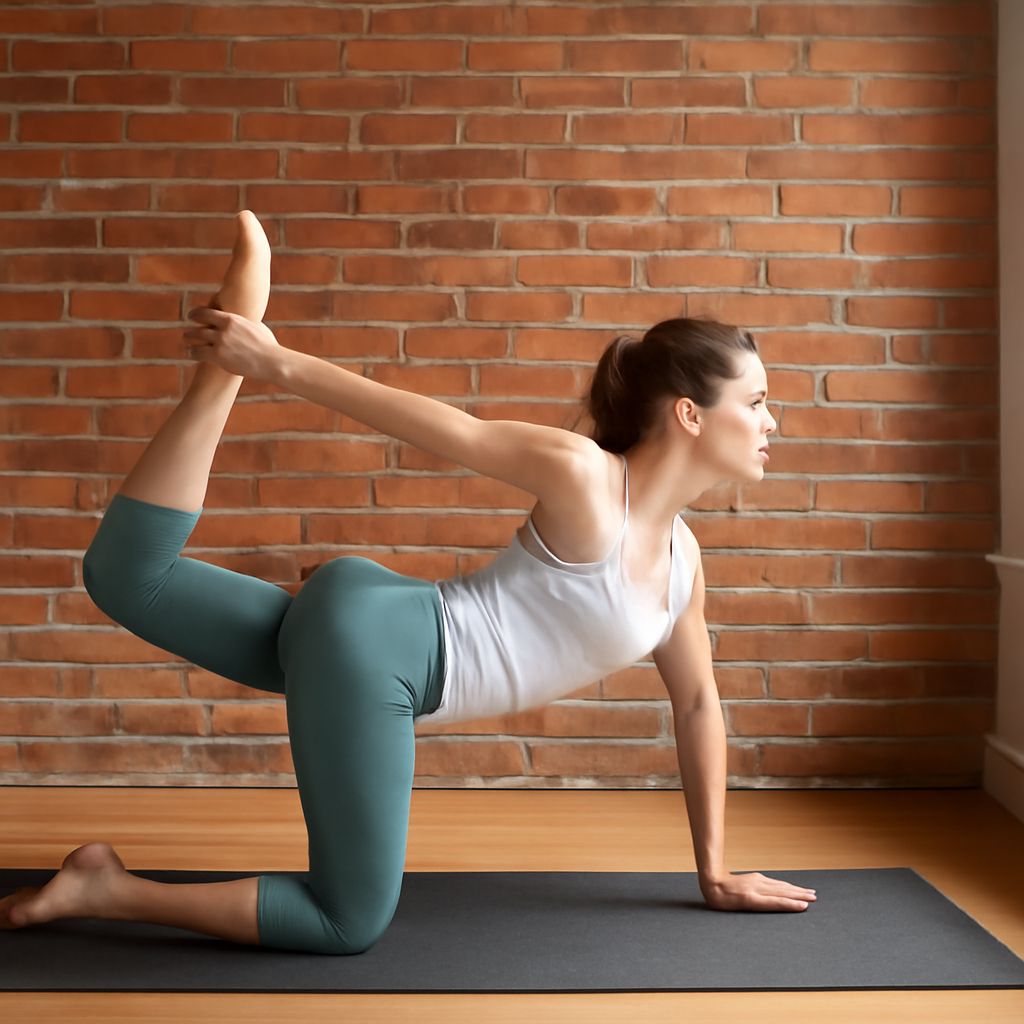
Intermediate Yoga Poses: Build Strength, Depth, and Awareness
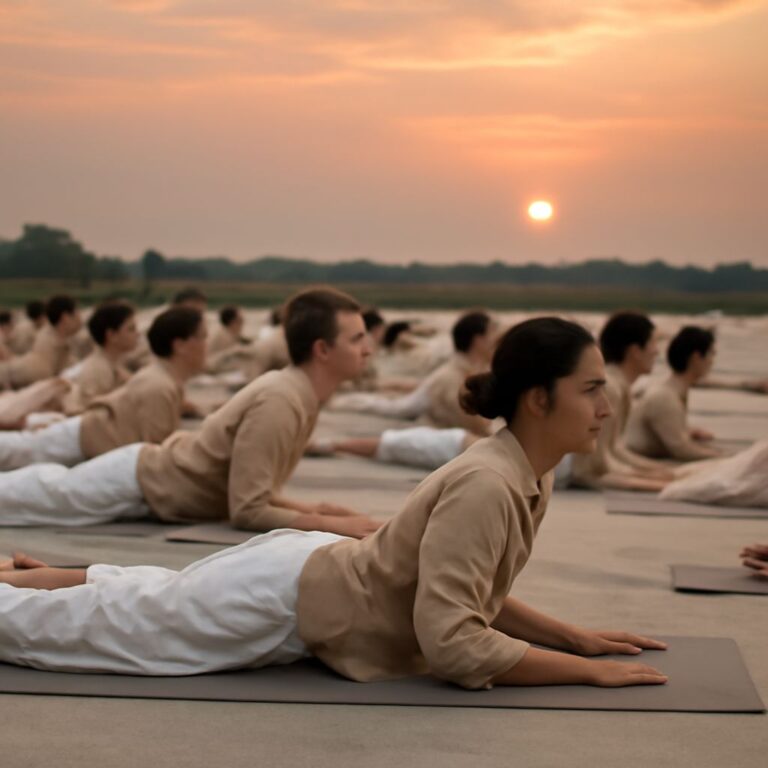
The gap between beginner and advanced yoga is often misunderstood as primarily a flexibility gap. That misframes the challenge. Intermediate yoga poses demand something more nuanced: the integration of strength, body awareness, and breath control that takes consistent practice to develop. Classic ashtanga yoga poses like Navasana or Marichyasana reveal exactly this integration requirement — they are not beyond a capable beginner physically, but the combination of core engagement, hip mobility, and focused breath simultaneously activated is what makes them intermediate rather than introductory. People who search for the sexiest yoga poses often discover that the most visually striking postures are deceptively difficult, requiring years of preparation rather than just a flexible spine. The category of stretching yoga poses is broader than it appears — some stretch passively while others demand active muscular engagement to reach their full depth. Understanding yoga poses and benefits as a matrix rather than a checklist changes how you approach building a complete intermediate practice.
Moving from beginner to intermediate practice is less about adding harder poses and more about deepening the quality of engagement in familiar ones. Here is the framework for that shift.
What Defines Intermediate Yoga Practice
Integrating Breath and Body Awareness
An intermediate practitioner in yoga is defined less by which poses they can achieve than by how they inhabit any pose. The diagnostic question is: can you maintain smooth, unforced breath in a challenging position, or does the breath become held, ragged, or shallow under effort? Breath quality is the most reliable indicator of where a practitioner’s genuine edge lies, regardless of what the pose looks like from outside.
Proprioceptive awareness — the body’s internal sense of position and movement — deepens significantly as practice matures. Intermediate practitioners start to feel subtle asymmetries: a left hip that sits slightly higher in triangle, a tendency to over-rotate the torso in twists, a weight shift toward the outer foot in standing balance poses. Perceiving these patterns is an intermediate skill. Correcting them without external feedback is an advanced one.
The ability to modulate effort consciously — to choose 70 percent effort rather than maximum capacity in a challenging pose — marks a significant developmental step. Beginners tend to give either full effort or no effort, without much access to the middle range. Intermediate practice trains the nervous system to find gradations between those poles, which is essential for sustainable long-term training.
Building Your Intermediate Yoga Sequence
Effective intermediate sequencing targets specific areas systematically rather than sampling broadly from a pose library. A sequence focused on hip flexor depth might include crescent lunge progressions, low lunge variations, supported splits preparation, and pigeon pose, building toward a specific peak rather than touching hips superficially across many poses.
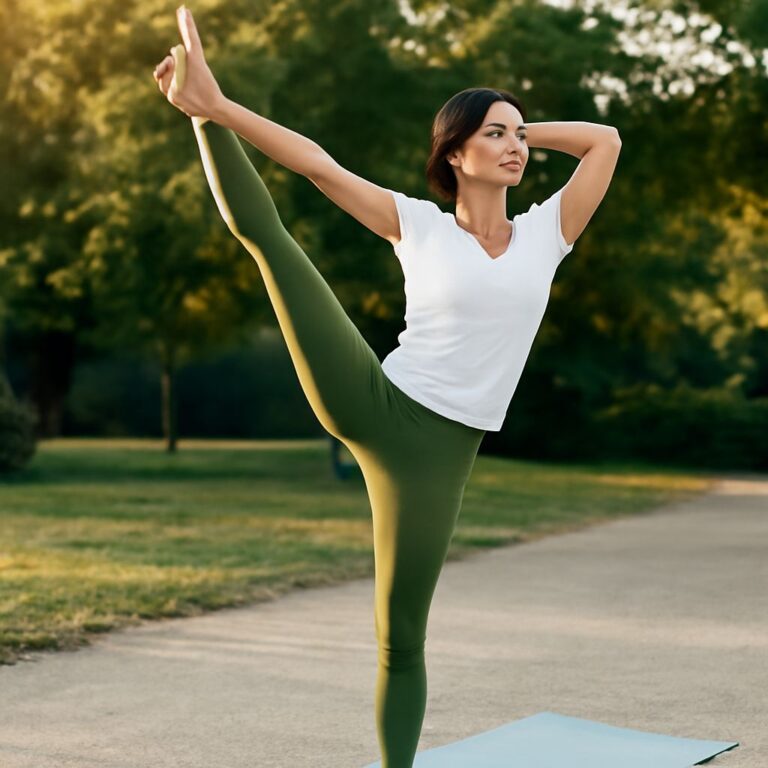
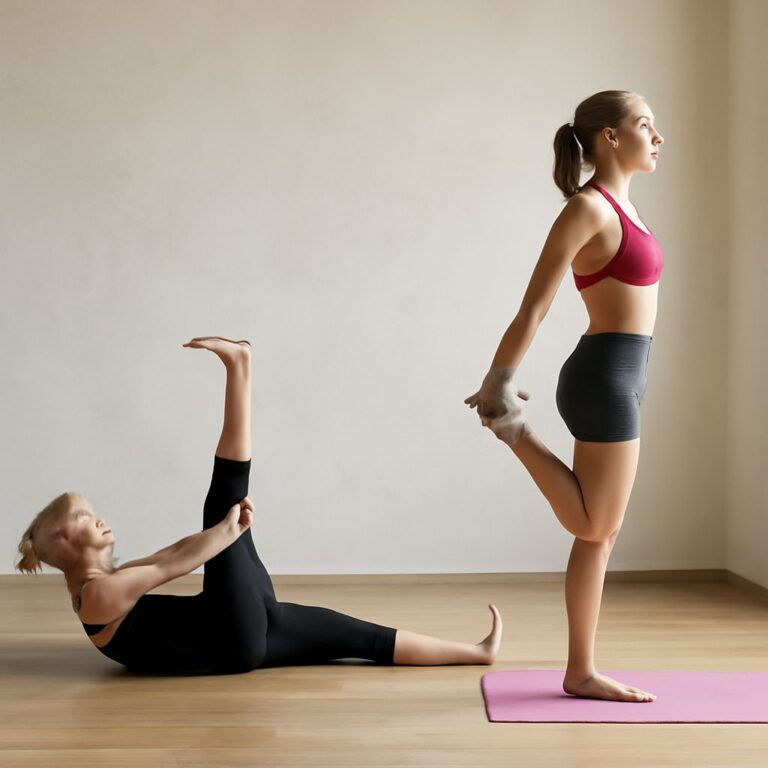
The relationship between strength and flexibility in intermediate yoga is more dynamic than the beginner model suggests. Passive stretching alone does not create usable range of motion. Strengthening muscles at their end range — through poses like Warrior III, half-moon, or extended hand-to-big-toe — builds the active mobility that transfers into real functional improvement. Practitioners who only stretch without strengthening gain flexibility that collapses under any real demand.
Yoga pose benefits at the intermediate level extend well beyond the physical. Regular engagement with challenging poses under controlled conditions builds the capacity for focused attention and emotional regulation that translates into everyday life. The mat becomes a training environment for how you respond to difficulty generally — with curiosity and measured response rather than avoidance or reactivity.
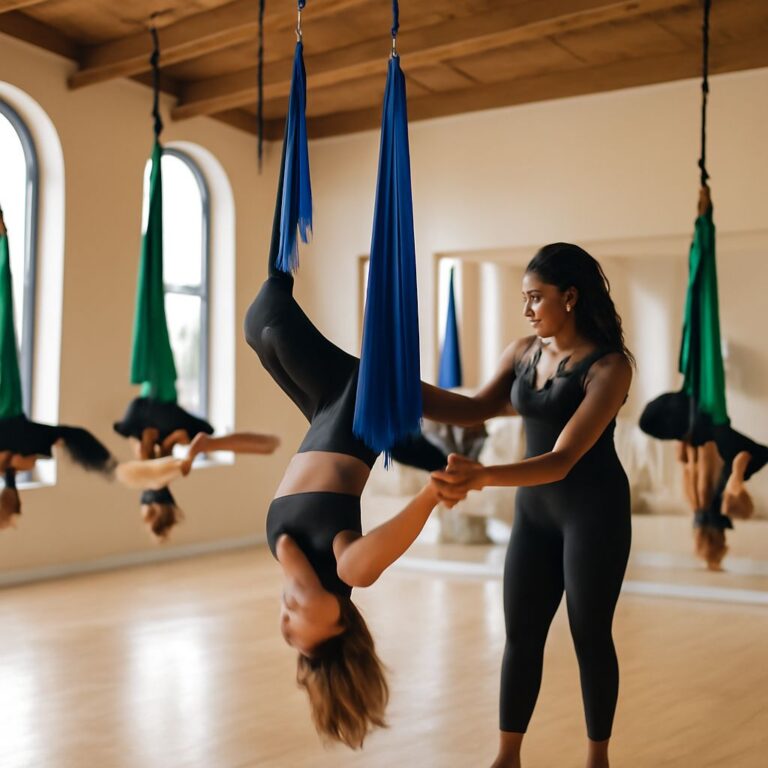
Deepening a yoga practice at the intermediate stage benefits from periodic check-ins with an experienced teacher. Even practitioners who train largely independently gain significant value from occasional alignment feedback, which prevents the accumulation of compensatory patterns that can limit progress or cause injury over time.