What Muscles Do Squats Work? The Complete Answer by Variation
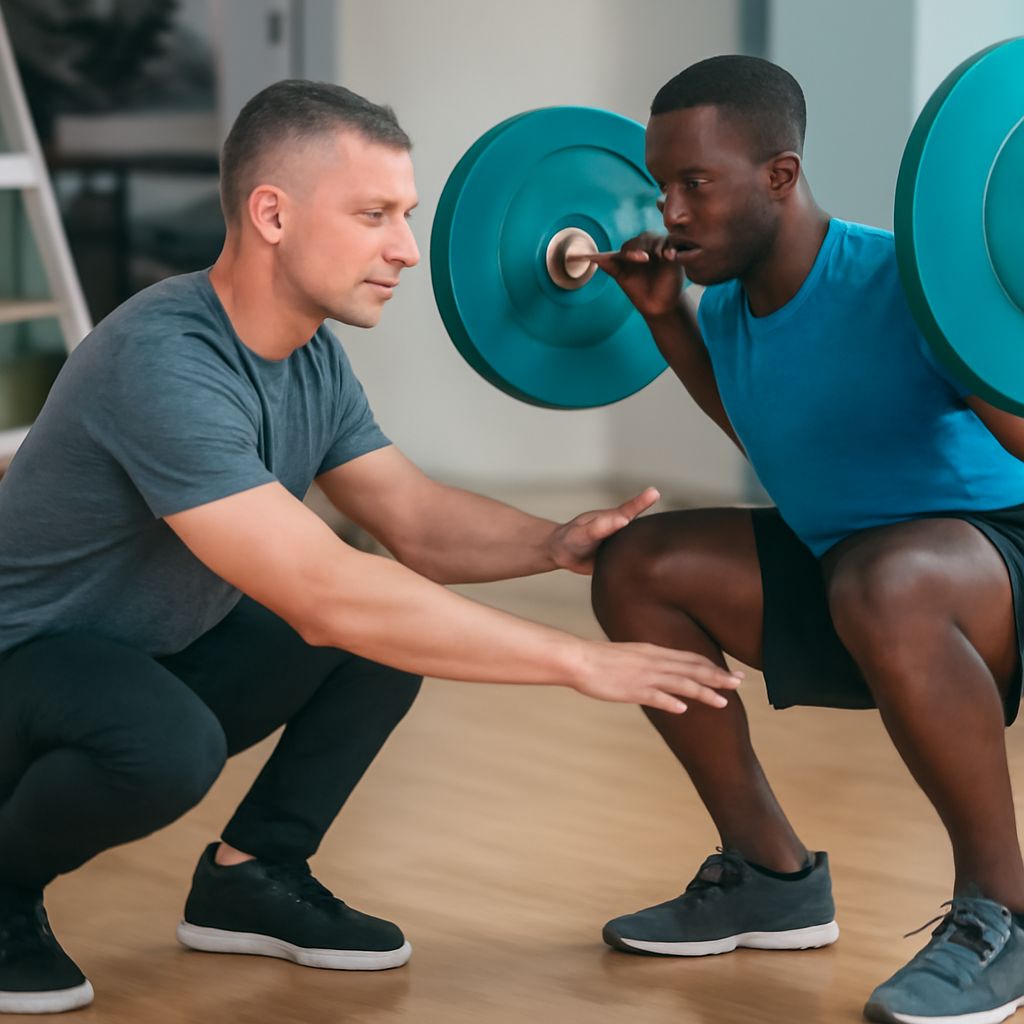
The simple answer — “squats work your legs” — is technically true but practically useless. What muscles do squats work depends significantly on squat type, depth, stance width, and loading position. The muscles activated in sumo squats muscles worked differ meaningfully from those targeted by a narrow-stance back squat. One frequently debated question is do squats work calves — and the honest answer is: minimally, in most variations, and significantly in some specific loading conditions. Understanding which muscles do squats work in each variation lets you match squat selection to specific programming goals rather than defaulting to the same variation regardless of what you are training. The collective term squats muscles encompasses primary movers, secondary stabilizers, and isometric support chains that span from the foot through the upper back — a more complex picture than most beginner instruction suggests.
Getting this right matters for both performance and injury prevention. Here is a systematic breakdown by muscle group and variation.
Muscle Activation by Squat Type and Depth
Inner Thigh, Calf, and Core Involvement
Adductors — the inner thigh muscle group — receive significant training stimulus in sumo squats due to the wide stance and outward toe angle. In conventional narrow-stance squats, adductor contribution drops considerably. This distinction matters for practitioners targeting inner thigh development or managing hip adductor tightness that affects lower back function. Sumo squats are among the best lower-body exercises specifically for adductor strengthening, which is underutilized in most training programs.
Calf involvement in squats is limited in most standard variations. The gastrocnemius and soleus work isometrically to stabilize the ankle joint during the movement, but they do not undergo meaningful loaded shortening or lengthening that produces training adaptation. The exception is heel-elevated squat variations, where the raised heel positions the ankle in greater dorsiflexion, slightly increasing calf activation during the eccentric phase. If calf development is a priority, dedicated isolation work produces far better results than relying on squat spillover.
Core musculature — including the transverse abdominis, obliques, and spinal erectors — works isometrically throughout all squat variations to maintain spinal position under load. The demand increases with load, with front-loaded variations (front squats, goblet squats), and with less stable base conditions. The erectors are particularly taxed at the bottom of a back squat, where they must resist forward spinal rounding against the combined mechanical disadvantage of hip angle and load.
Upper Body and Hip Muscles Often Overlooked in Squat Training
The upper back plays a significant postural role in back squats. The trapezius and rear deltoids maintain the position of the barbell and resist forward bar migration that occurs when thoracic extension is insufficient. Practitioners who develop upper back rounding under load need targeted thoracic strengthening as much as they need lower body work.
Hip flexors work eccentrically during the descent phase of squats, controlling the forward tilt of the torso. Tight hip flexors that cannot lengthen adequately force compensatory low-back rounding at the bottom of the squat, which is the root cause of the most common squat-related low-back complaints. Hip flexor mobility work — not just hip flexor stretching but also strengthening at end range — is essential maintenance for any practitioner squatting consistently under load.
The glute medius, a hip abductor muscle on the outer hip, stabilizes the pelvis throughout the single-leg phases of any squat-to-step or split squat variation. In bilateral squats, it works to resist the knee-cave pattern that emerges when the glute max fatigues or the adductors overpower the external rotators. Weakness here shows up as knees collapsing inward during the ascent, particularly in higher-rep sets toward fatigue.
Bottom line: Squats train primarily the quads, glutes, hamstrings, and adductors — with the specific emphasis determined by stance, depth, and bar position. Calves receive minimal training stimulus from standard squat variations. Core and upper back engagement is significant and should not be dismissed as “just stabilization” — these structures are genuinely trained under heavy squat loading.