Asana Yoga and Beyond: Tantric, Buti, and Acro Yoga Explained
The yoga landscape is broad enough that a practitioner can spend years in one corner of it without realizing how different neighboring traditions are. Asana yoga — the physical posture practice most Western practitioners know best — is only one component of a much larger system. Questions like what is tantric yoga, what is asana yoga, what is buti yoga, and what is acro yoga reveal how differently even common terms are understood by different practitioners. Each of these categories represents a distinct approach with its own history, methodology, and intended outcomes. Understanding the differences is not just intellectually interesting — it helps practitioners choose practices aligned with what they actually want from yoga, rather than what the nearest studio happens to offer.
Here is a clear, practical breakdown of each major category for practitioners and curious newcomers alike.
Understanding the Major Yoga Categories and Their Core Distinctions
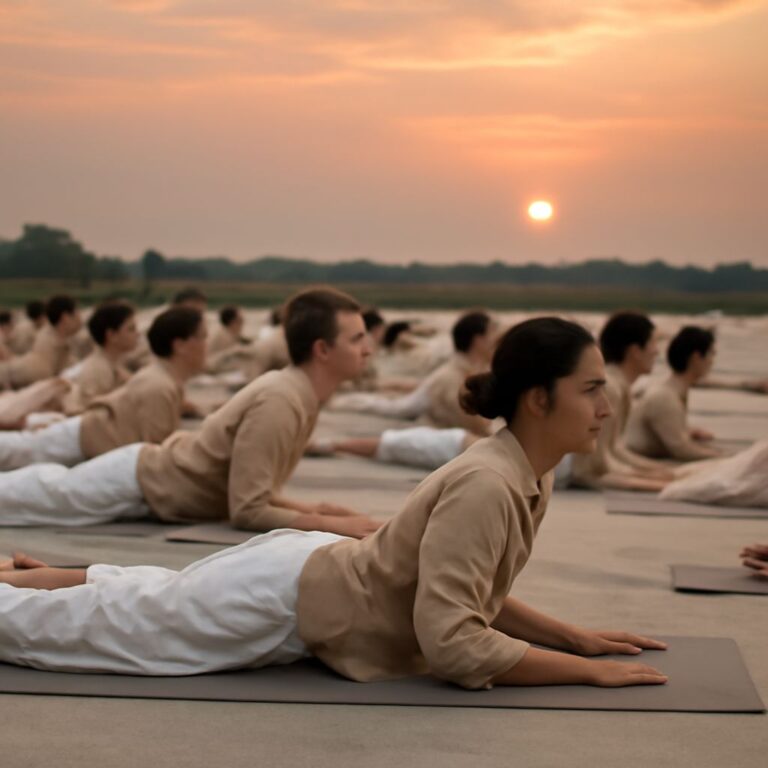
Asana practice — the physical posture work — is what most people mean when they say “yoga” in contemporary Western contexts. Asanas are the third of Patanjali’s eight limbs of yoga, meaning they are one element within a much broader system that includes ethical disciplines, breathing practices, sensory withdrawal, and meditation. Isolating asana from this larger system produces a valuable physical training method; integrating it with the other limbs produces the contemplative and transformative dimension that traditional practitioners describe.
Tantric yoga is among the most widely misunderstood categories in the contemporary yoga world. The popular association with sexuality is a distortion of a complex philosophical system that uses embodied experience — including sensation, emotion, and relationship — as a vehicle for spiritual recognition. Tantric yoga practices work with the full range of human experience rather than renouncing it, viewing the body and its energies as a complete path toward liberation rather than obstacles to it. Authentic tantric yoga instruction is rare and requires significant philosophical preparation to practice meaningfully.
Buti yoga is a contemporary format developed in the United States that blends tribal dance movement, plyometrics, and yoga asanas into a high-energy, cardiovascular practice. The name derives from a Marathi word meaning “a cure that has been hidden or kept secret.” Buti sessions are characterized by spiraling movement patterns through the hips and spine, significant sweat output, and a culturally infused musical backdrop. It functions primarily as a fitness method, though its instructors often incorporate community and body-acceptance values into its teaching culture.
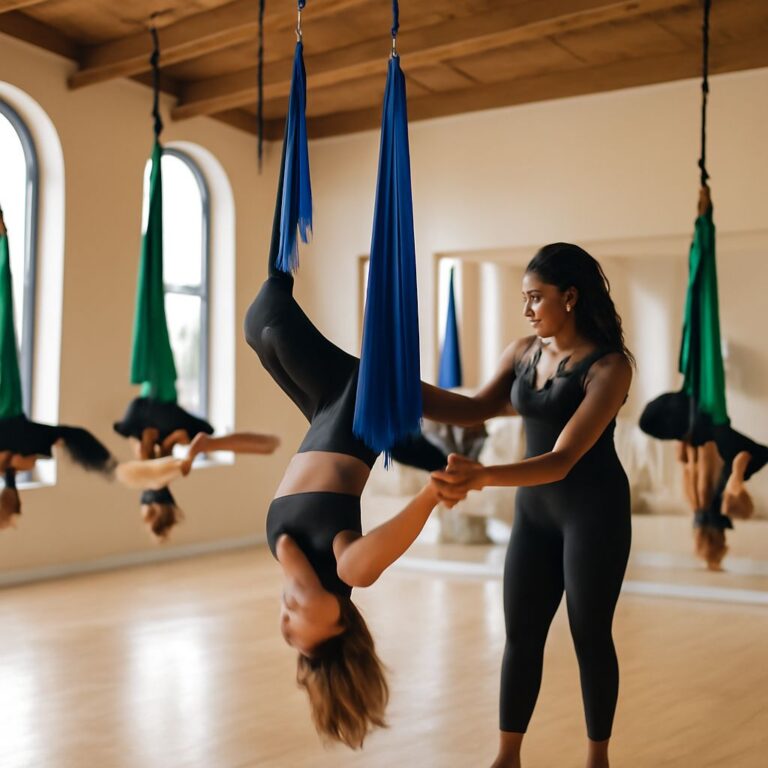
Acro yoga is a partner-based practice combining yoga, acrobatics, and Thai massage. It involves three roles: base (on the ground supporting weight), flyer (elevated by the base), and spotter (observing and protecting the flyer). Acro yoga builds communication skills, trust, and physical strength simultaneously. The flying position requires core strength and body awareness from the flyer; the base position requires significant leg and core strength to support another person safely. Spotter training is an essential component of responsible acro practice that is sometimes skipped in casual settings.
Comparing these formats reveals that “yoga” functions more as a family of related practices than a single defined discipline. The shared threads include attention to breath, some form of somatic awareness, and an implicit or explicit connection between physical practice and broader human development. The specific expression varies as widely as the people who practice it.
Key takeaways: Asana is one component of yoga’s eight-limb system, not a synonym for the whole practice. Tantric yoga is a philosophical tradition, not primarily a sensual practice. Buti yoga and acro yoga are contemporary formats that blend yoga with other movement traditions, each with distinct physical demands and community cultures.