Yoga Lotus Pose: How to Build Flexibility for Lotus Flower Yoga
Many people assume the yoga lotus pose is only for advanced practitioners with naturally open hips. That myth stops beginners before they start. The truth is that consistent, gradual preparation makes lotus flower yoga accessible to most people, regardless of starting flexibility. Patience and the right groundwork get you there.
Another misconception is that yoga lotus position requires holding it for long periods right away. Not true. Even brief, careful attempts build the hip and groin flexibility needed over time. The deadlift starting position actually shares a key cue with lotus: a tall, neutral spine. Keeping your back long protects you in both movements.
Preparing Your Hips and Ankles Step by Step
Before attempting the full pose, open the outer hips, hip flexors, and ankles. Yin-style holds and preparatory postures make a real difference. Sitting cross-legged in Sukhasana for several minutes each day starts loosening the deep external rotators. From there, Half Lotus introduces rotation one leg at a time.
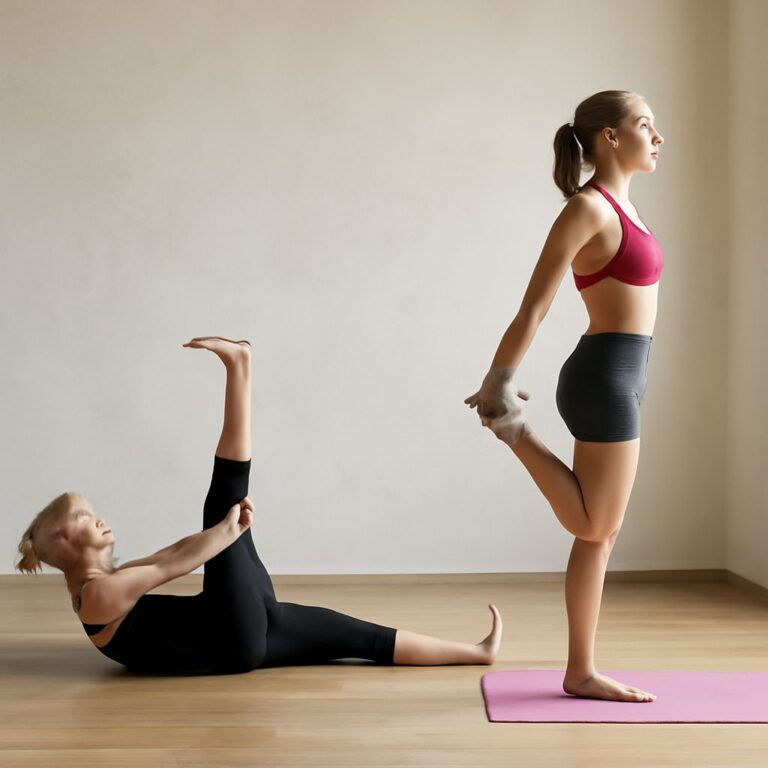
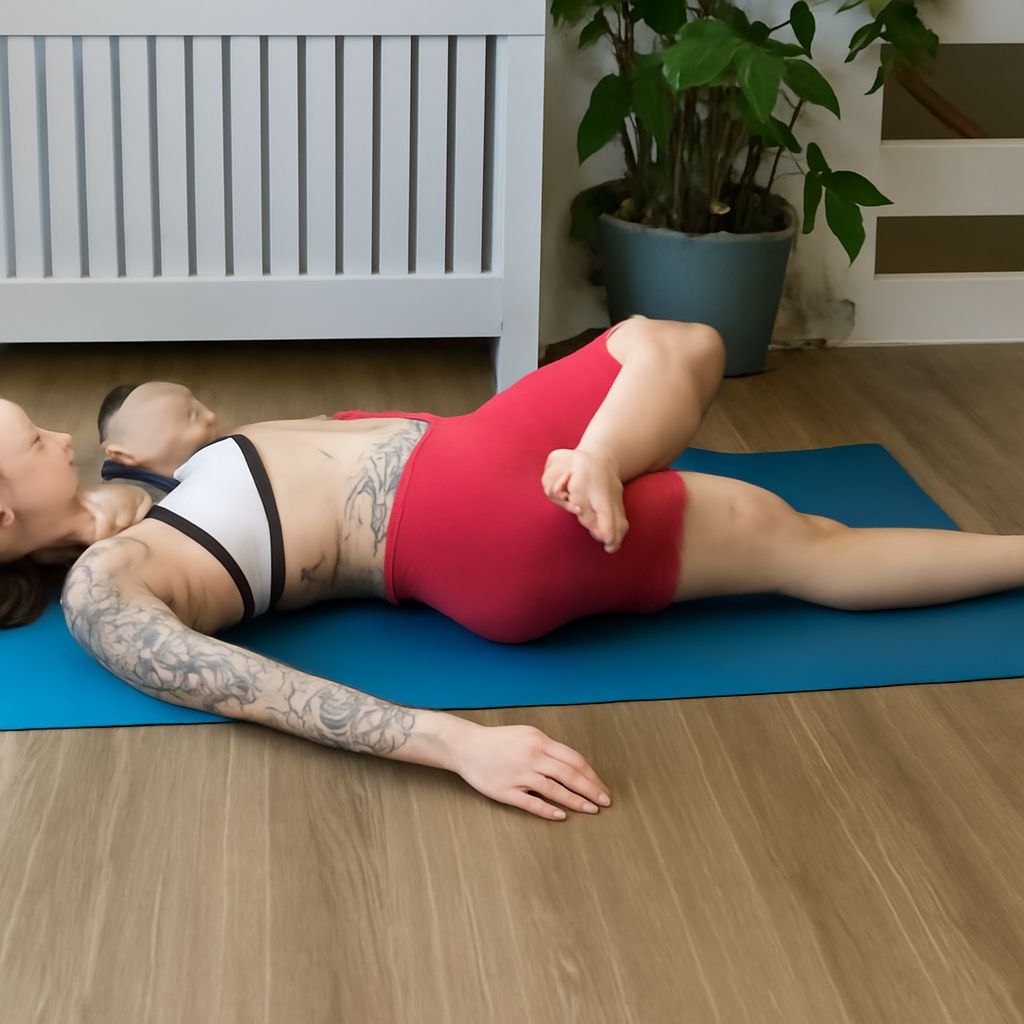
Ankle flexibility matters more than most people realize. Stiff ankles shift load onto the knee joint when you place your foot on the opposite thigh. Work on dorsiflexion separately. Low lunge with the back knee down, foot actively flexed, is one solid option. Thread-the-needle stretches target the piriformis and other deep rotators that limit the full yoga lotus.
Prop use speeds progress. A folded blanket under the sitting bones elevates the pelvis and tilts it forward naturally, reducing strain at the knee. If any knee discomfort appears, stop immediately. All rotation must come from the hip, not the joint below it.
Work in stages. Half Lotus on your easier side first, then the tighter side. Attempt the full pose with your dominant leg on top. Swap the crossing each session so both hips develop evenly. Lotus practiced asymmetrically for months creates imbalances that take a long time to correct.
Warm up before any lotus attempt. Cold hips resist external rotation. A few minutes of walking, dynamic leg swings, and hip circles prepare the joint capsule better than static stretching alone. Many practitioners find that lotus work near the end of a full session yields faster gains than starting cold.
Breathe into tightness rather than pushing through it. When you feel restriction in the outer hip during a preparatory stretch, exhale and soften that area consciously. Forcing the pose risks tearing soft tissue and sets progress back by weeks. Steady effort over months outperforms aggressive stretching every time.
Once you can sit in Half Lotus comfortably for two to three minutes on each side with no knee discomfort, the full pose is within reach. Place the first foot on the opposite thigh, then carefully draw the second foot up. Use your hands to guide the foot gently rather than yanking it into position. Sit tall, breathe, and hold only as long as comfortable.
Lotus flower yoga is a pose of deep stillness, not a flexibility trophy. When you can sit in it without pain or distraction, meditation and pranayama become noticeably easier. The body settles into the posture and the mind has room to quiet. That experience makes the months of preparation worth every session.