What Is Hatha Yoga? Hatha vs Vinyasa and How to Practice
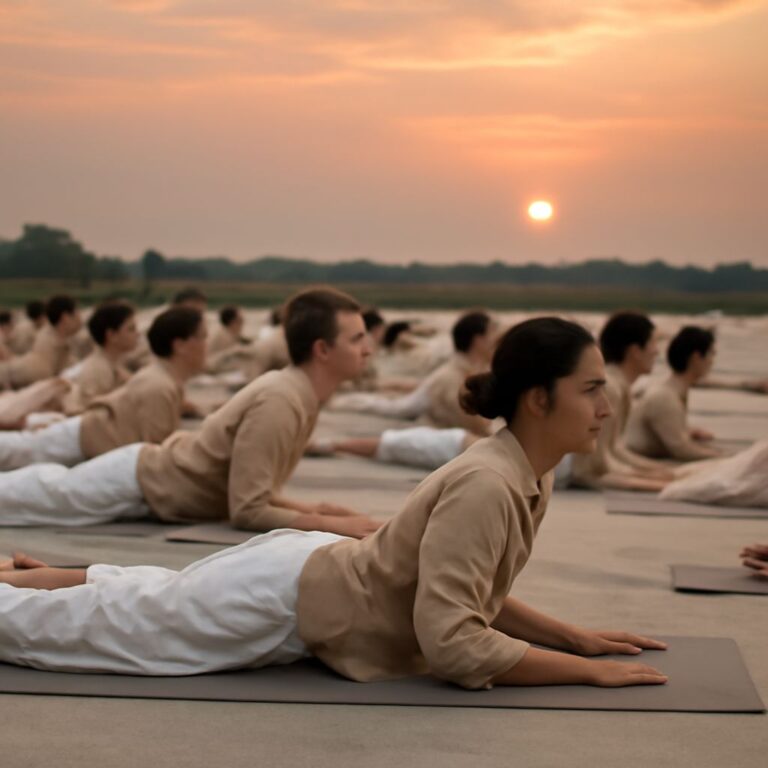
Many people hear the term hatha yoga and assume it describes a slow, beginner-level class. That’s a narrow reading. In the broader sense, hatha yoga is the umbrella category covering all physical yoga practices, including vinyasa, Iyengar, and others. What is hatha yoga in a studio context typically means a class focused on individual postures held for several breaths rather than linked dynamically.
The distinction between vinyasa vs hatha yoga confuses a lot of practitioners. Vinyasa links movement to breath in continuous sequences. Yoga hatha in the traditional class format holds poses longer, allowing time to refine alignment and develop body awareness. Neither is superior. They serve different purposes and different practitioners.
How Hatha Flow Yoga Differs from Traditional Hatha
Hatha flow yoga is a hybrid. It applies the breath-synchronized movement of vinyasa to a slower pace with more deliberate transitions. This format suits people who find traditional hatha too static but find standard vinyasa too fast to maintain form. The pace is moderate. Holds are shorter than classic hatha but longer than a flow class.
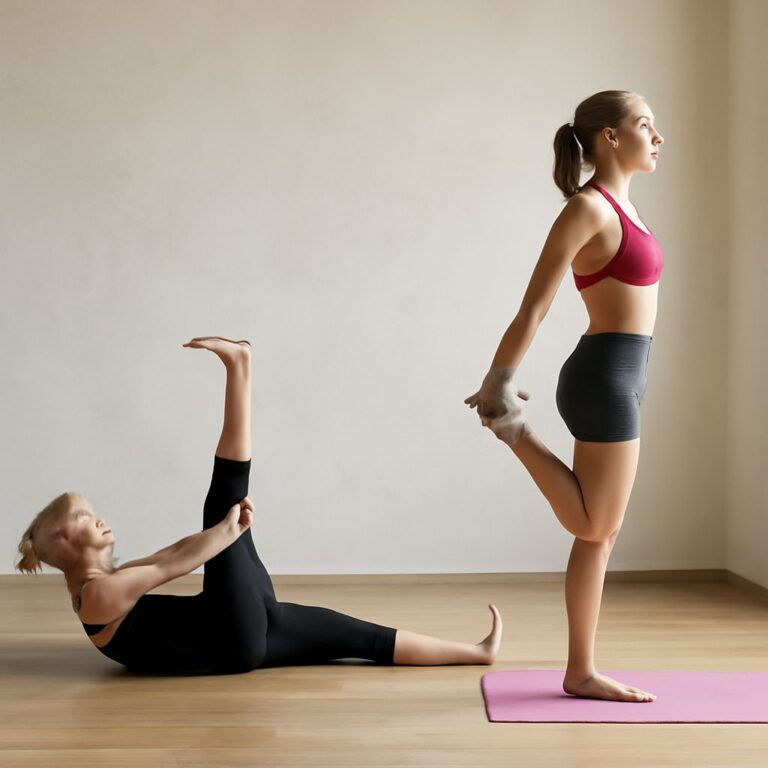
A typical hatha yoga sequence starts with seated breathing and centering, moves into standing poses, includes balancing work, and closes with supine postures and Savasana. The sequence is usually non-themed, though teachers vary this widely. You won’t find the same class twice at most studios.
Building a Home Hatha Yoga Sequence
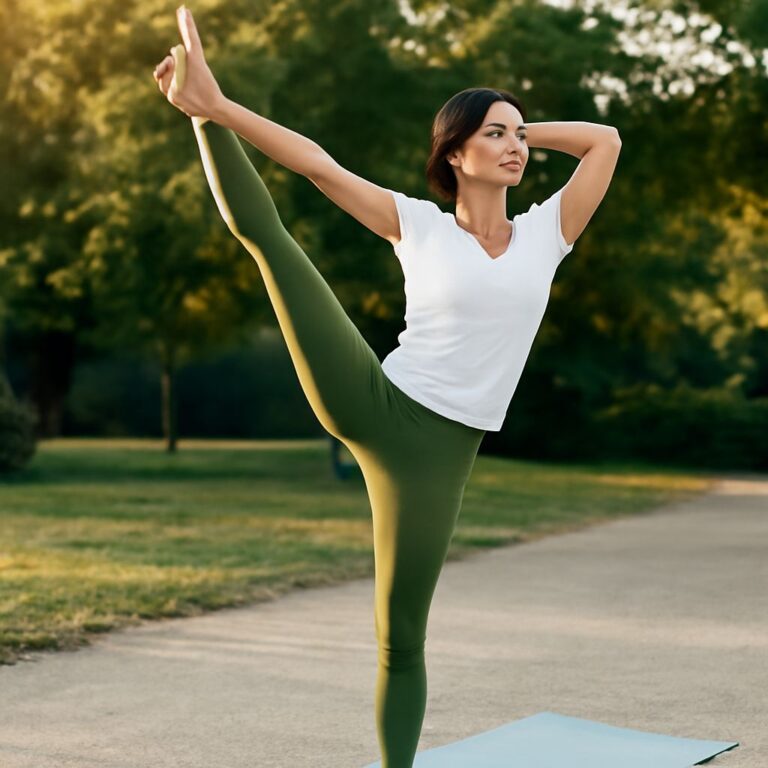
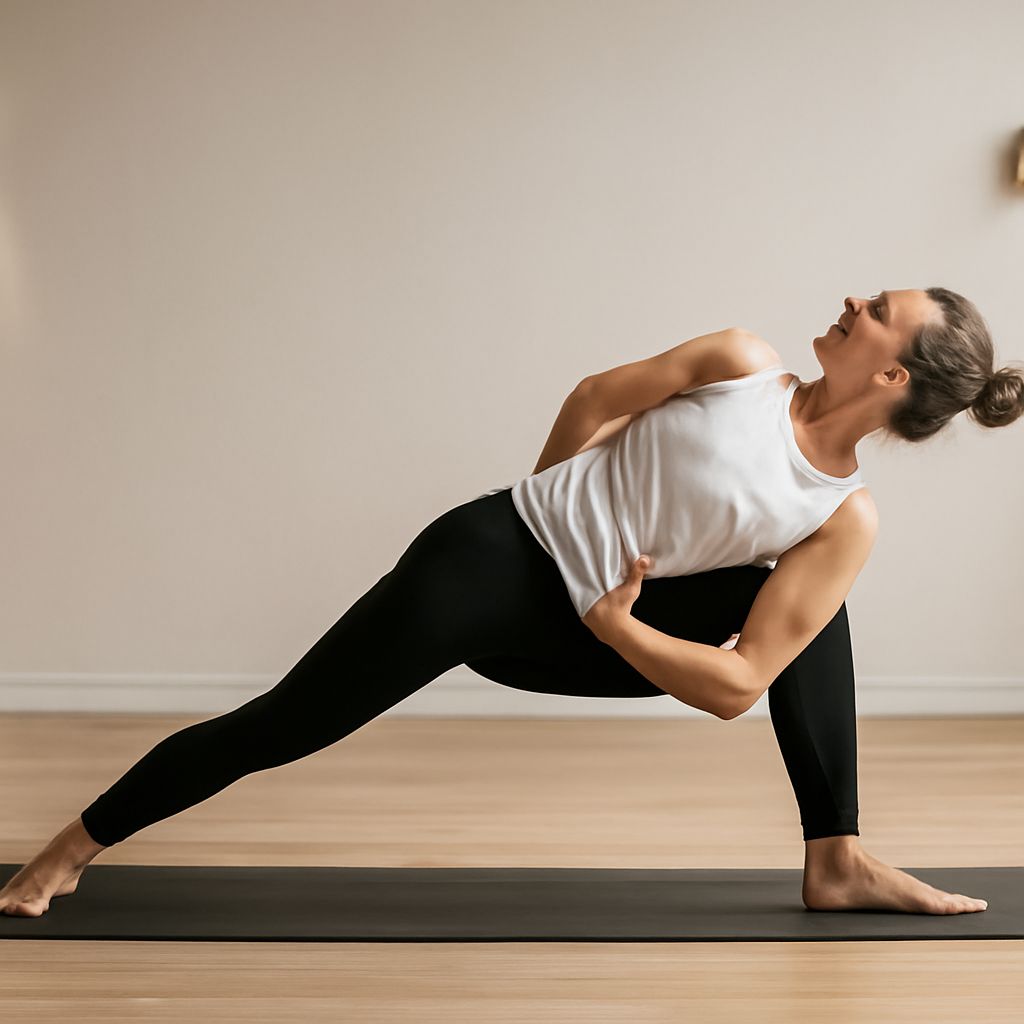
Start with five minutes of easy seated breathing to arrive in the body. Then move through a gentle Sun Salutation or two to warm the spine. Follow with four to six standing poses held for five to eight breaths each: Warrior I, Warrior II, Triangle, and a balance like Tree or Eagle. Include hip openers like Pigeon or Lizard before closing with a few minutes of Legs-Up-the-Wall and a full Savasana.
This basic hatha yoga sequence takes 45 to 60 minutes and covers the major muscle groups. Adjust hold times based on your level. Beginners hold less; experienced practitioners hold longer and go deeper. The structure is flexible, but keep the arc from active to passive so the nervous system winds down by the end.
Key takeaways: hatha yoga is both the root category of physical yoga and a specific class style defined by held postures and deliberate pacing. Hatha flow yoga adds breath-linking for a more dynamic feel. Vinyasa vs hatha yoga is less a competition and more a spectrum from slow and still to fast and flowing. Building a consistent hatha yoga sequence at home is achievable with just a mat and thirty minutes of focused practice.