Pilates for Men: Core Strength, Sciatica Relief, and Scoliosis Support
Pilates for men is still perceived in some circles as primarily a women’s practice. That reputation has nothing to do with its origins. Joseph Pilates, the method’s founder, developed his system while training soldiers, boxers, and circus performers. The original clientele was overwhelmingly male. The method moved into dance studios later, which shifted its cultural association, but the exercises themselves were built for athletic bodies dealing with real physical demands.
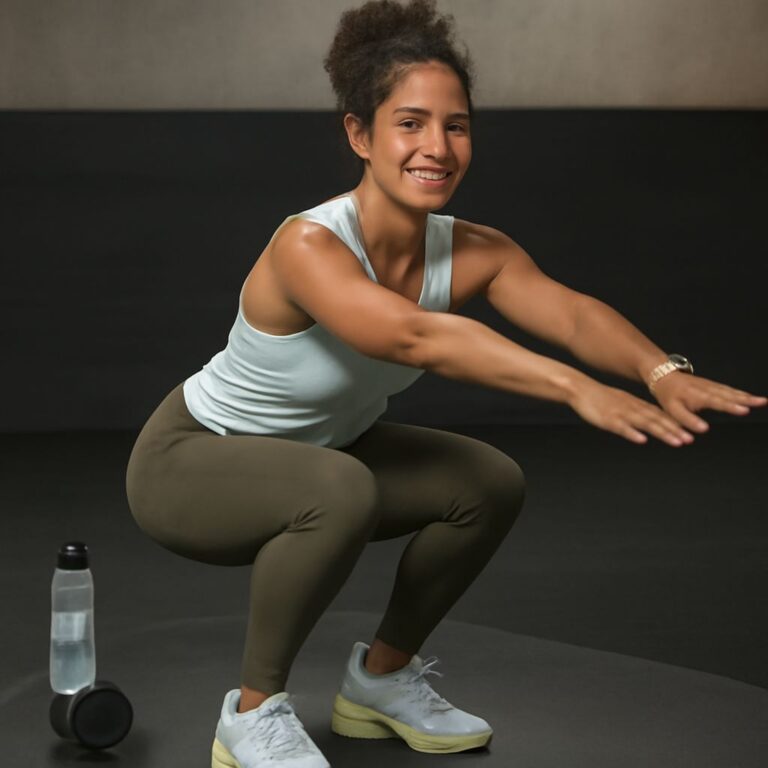
Pilates men who come to the practice from strength training often find it humbling. The movements look controlled and small. They are. That’s the challenge. Pilates for sciatica and pilates for scoliosis applications both depend on precision and patterning at low load rather than brute force. A 200-pound lifter who can squat heavy frequently discovers he can’t perform a basic Hundred exercise without his neck cramping and his lower back arching off the mat.
Core Mechanics: Why Pilates Works for Strength Athletes
The Pilates method targets the deep stabilizer muscles, particularly the transverse abdominis, multifidus, pelvic floor, and diaphragm. These muscles don’t respond to loaded exercises the way the prime movers do. They are trained through specific positioning, breath control, and precisely sequenced movement. Hardcore pilates challenges this system at high intensity through longer lever arms and reduced base of support rather than adding external load.
For athletes, the benefit is transferable. A powerlifter with a weak transverse abdominis braces with the superficial obliques and rectus abdominis under heavy load. That pattern works until it doesn’t. Adding Pilates work for stability retrains the bracing sequence and often resolves chronic low back tightness that has persisted despite years of training.
Pilates for Sciatica and Scoliosis: Clinical Applications
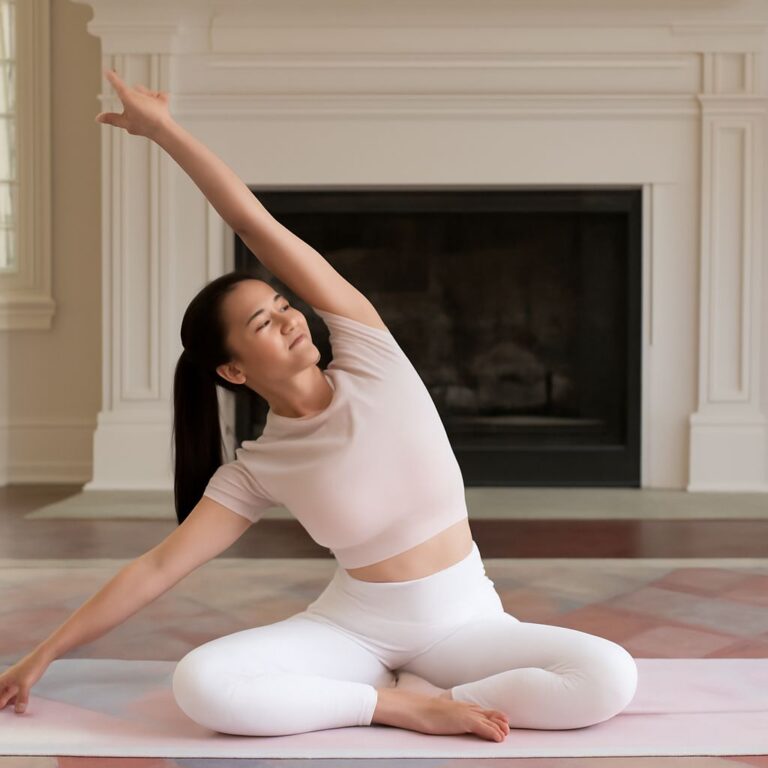
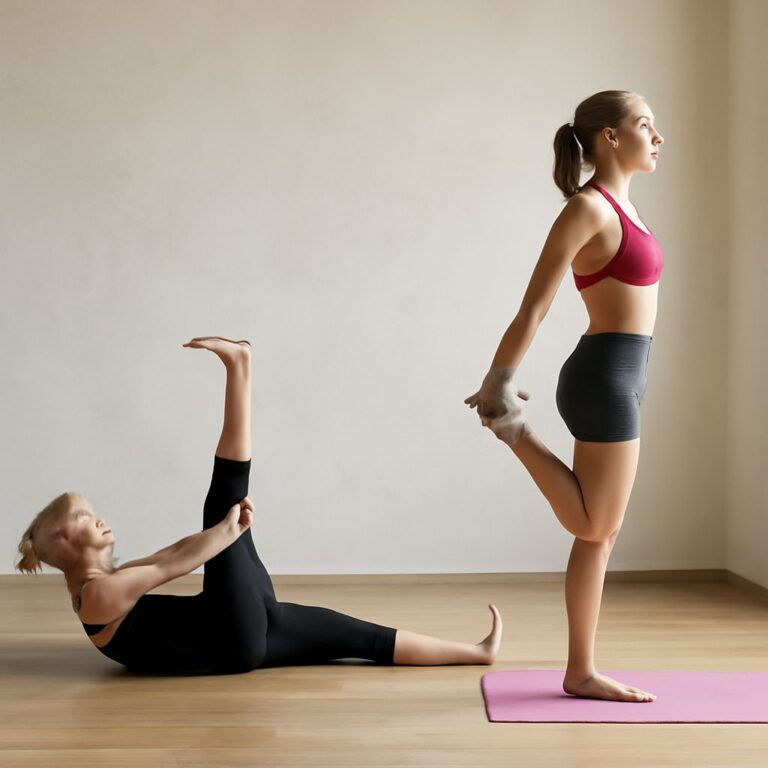
Pilates for sciatica addresses the nerve compression or irritation at the lumbar spine through decompression, hip flexor lengthening, and controlled spinal mobility. Positions like supine spine stretches and side-lying leg series unload the lumbar discs while activating the supporting musculature. A practitioner working with sciatic symptoms should work with a certified instructor who has rehabilitation training, not a general fitness class.
Pilates for scoliosis is more complex. The approach depends on the curve type, degree, and whether the scoliosis is structural or functional. A qualified instructor builds a program that addresses asymmetric muscle activation on the convex and concave sides of the curve rather than applying a generic sequence. Research supports Pilates-based exercise for scoliosis management, particularly in adolescents and adults with mild to moderate curves, but the specificity of programming is essential.
Men starting Pilates for the first time often progress faster than they expect once they let go of the impulse to power through movements. The method rewards attention and body awareness. The gains in postural control, breathing efficiency, and injury resilience compound over months in ways that pure strength training doesn’t produce.
Begin with a mat-based beginner class or a few private sessions. Private instruction accelerates learning because the instructor can identify compensation patterns immediately. Group classes are cost-effective once you have the basic movement vocabulary. Three sessions per week is optimal for building the neural patterns the method requires. Two sessions maintains what you have. One is better than none but slows progress noticeably.