Water Treadmill Guide: Aqua Treadmill Benefits, Cost, and Uses
The water treadmill is often assumed to be a luxury item used only in elite sports rehab facilities. That view has become outdated. Aqua treadmill technology has expanded significantly, and options now exist at a range of price points from commercial pool units to compact home tanks. The pool treadmill isn’t just for recovering athletes. It’s increasingly used by older adults, people managing chronic joint pain, and fitness enthusiasts who want low-impact cardio that genuinely challenges the cardiovascular system.
Another misconception is that walking or running underwater is too easy to produce real fitness results. It isn’t. Water provides approximately twelve times the resistance of air. A walking pace on an underwater treadmill requires significantly more muscular effort than the same pace on land. The swimming treadmill works the entire lower body and core with every step, and the buoyancy reduces joint load by 60 to 90 percent depending on water depth.
How Aqua Treadmills Work and Who Uses Them
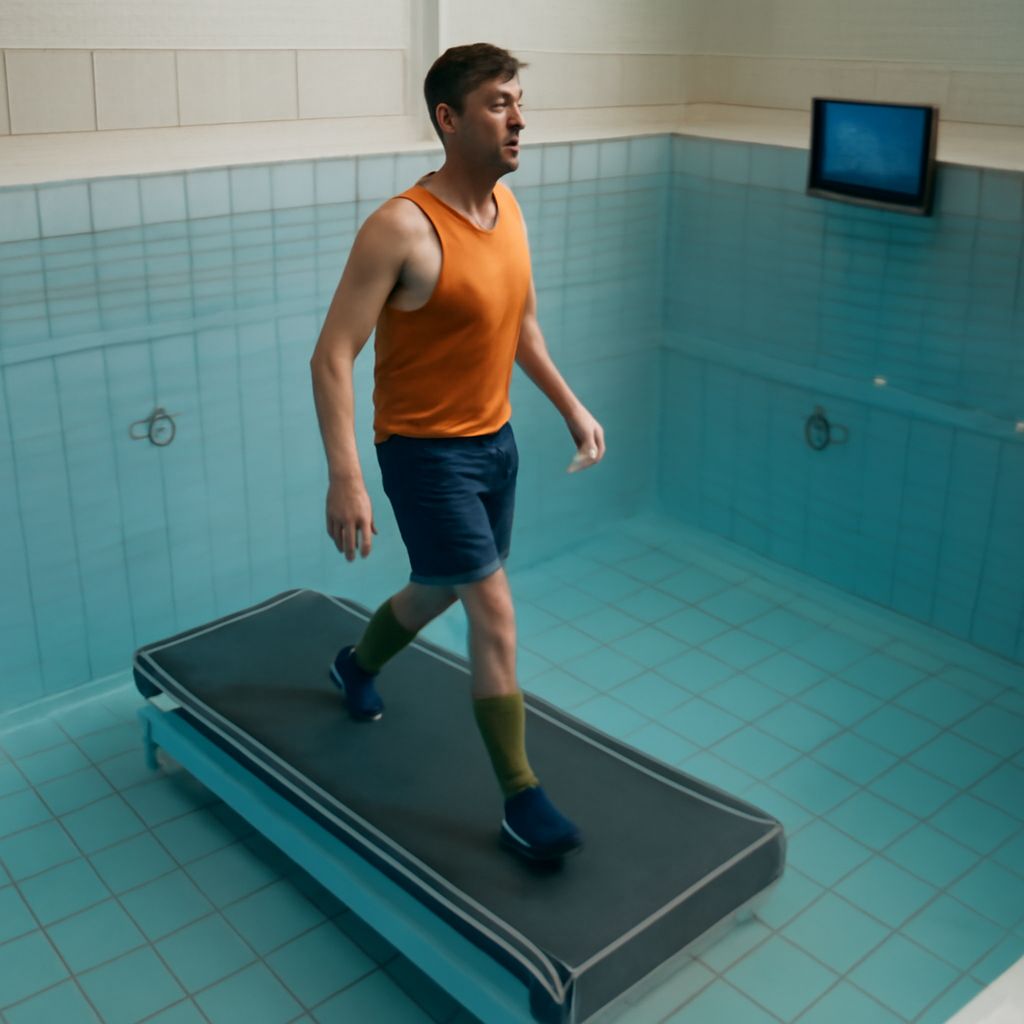
An aqua treadmill operates inside a watertight chamber or pool tank filled to a controlled water level. The user walks or runs on a motorized belt while submerged to the waist, chest, or neck depending on the therapeutic or fitness goal. The deeper the water, the greater the buoyancy and the lower the impact load. Shallower water increases load on the joints, closer to land-based values, while still providing resistance.
Physical therapists use the pool treadmill for post-surgical rehabilitation, gait retraining after neurological events, and management of conditions like osteoarthritis and fibromyalgia. Athletes recovering from stress fractures or ligament injuries use it to maintain cardiovascular fitness and muscle activation without bearing full body weight through an injured structure.
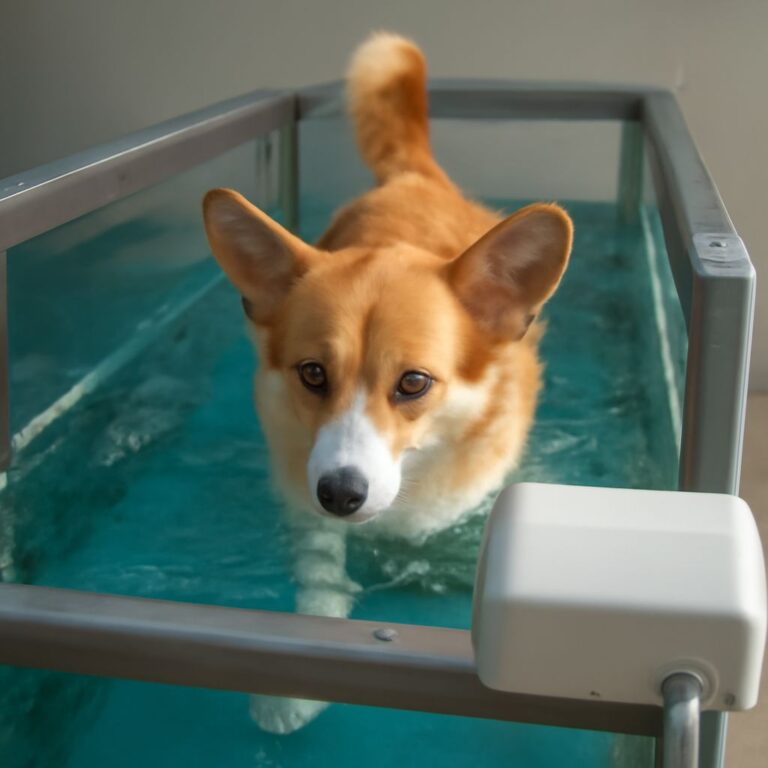
Veterinary medicine has adopted the underwater treadmill even more widely than human medicine, particularly for dogs recovering from orthopedic surgery or managing degenerative joint disease. The technology transfer went in both directions. Early aquatic treadmill designs for human rehab drew on protocols developed in equine therapy.
Underwater Treadmill Price: What to Expect
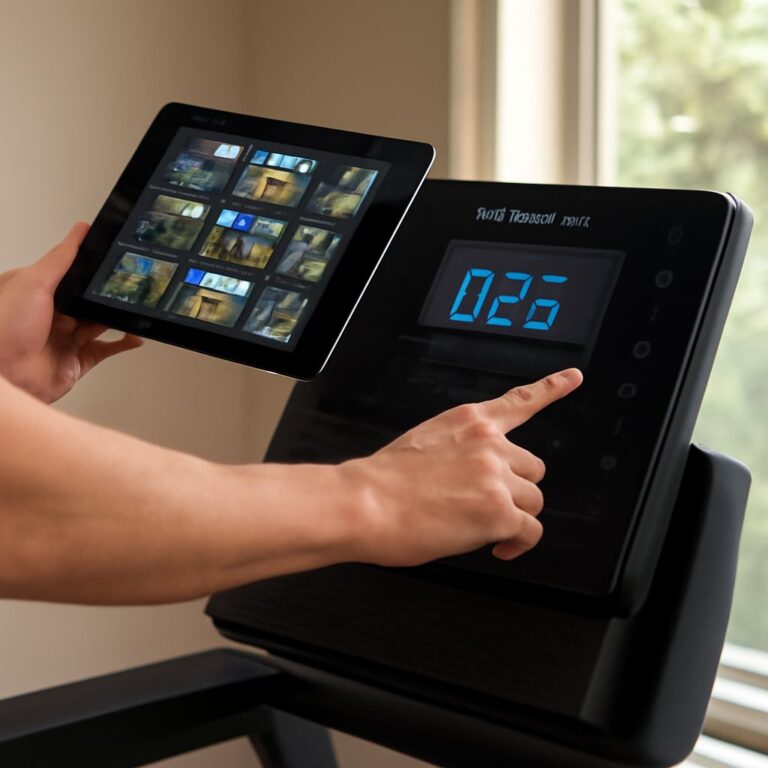
Underwater treadmill price varies dramatically based on configuration. A basic portable water treadmill unit designed for physical therapy clinics starts around $15,000 to $25,000. Mid-range clinical systems with integrated monitoring, adjustable water depth, and video gait analysis range from $30,000 to $60,000. High-end hydrotherapy pools with integrated treadmill floors reach $80,000 to $150,000 and above for full custom installations.
For residential use, compact aquatic treadmill tanks designed for home gyms or small therapy practices have entered the market at $8,000 to $20,000. These typically accommodate single users and offer adjustable water depth and belt speed. Given the underwater treadmill price point even at the low end, most individuals access the technology through rehabilitation clinics, sports performance centers, or aquatic fitness studios.
The swimming treadmill, distinct from the underwater treadmill, refers to swim-in-place systems that use a current generator rather than a moving belt. These systems serve a different purpose but are sometimes grouped with aqua treadmill technology in marketing materials. Understand the difference before inquiring at a facility or requesting a quote.
For those evaluating whether aquatic treadmill training is worth pursuing, most rehabilitation facilities offer single-session or package pricing for supervised use. A trial of three to five sessions gives enough experience to judge whether the modality addresses your specific goals. The feedback from clinicians who can observe your gait and adjust water depth and resistance is part of the value.
Water treadmill training pairs well with dry-land strength work. Use aquatic sessions for cardiovascular conditioning and movement volume when joint symptoms are elevated. Return to land-based training as symptoms allow. The combination extends training longevity for people managing chronic conditions and accelerates return-to-sport timelines for recovering athletes.