Yoga for Core Strength: Best Core Yoga Poses and Exercises
People assume that building core strength requires crunches, planks on a gym floor, and weighted ab machines. Yoga for core strength works differently. It trains the deep stabilizers, the transverse abdominis and multifidus, through breath-integrated movement and long holds rather than repetitive contractions. The result is functional stability that transfers to everyday movement and sport.
Another misconception is that core yoga poses are too gentle to produce real results. They aren’t. Holding Boat Pose or Side Plank for 60 seconds with proper alignment challenges the core musculature as much as most equipment-based exercises. Yoga core poses also train balance and coordination alongside strength, which isolated exercises don’t address.
The Most Effective Core Yoga Poses to Build Strength
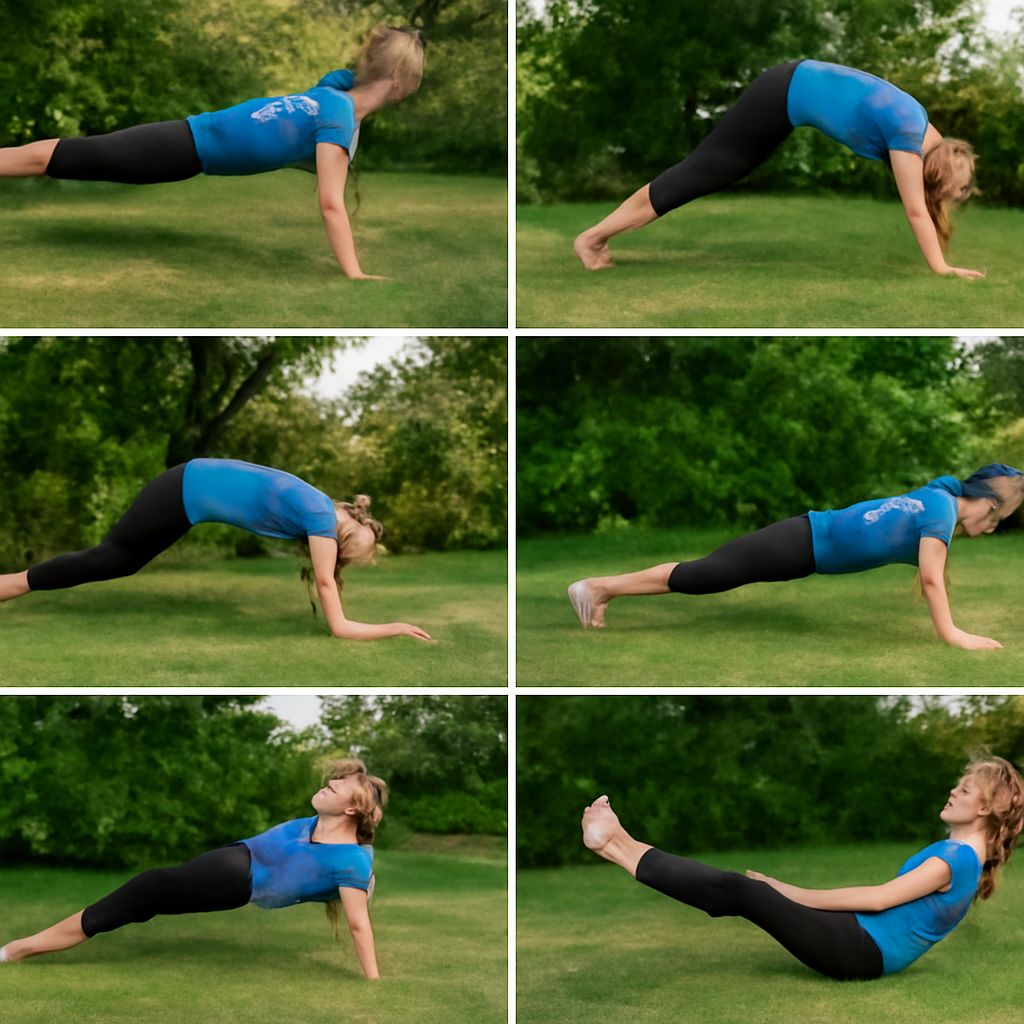
Plank Pose is the foundational yoga core exercise. Held correctly with a flat back, engaged glutes, and active lats pulling the shoulder blades down, it builds the entire anterior chain from shoulder to toe. Most people sag the hips or pike them too high. The cue is a straight line from crown to heel, maintained with deliberate muscular effort.
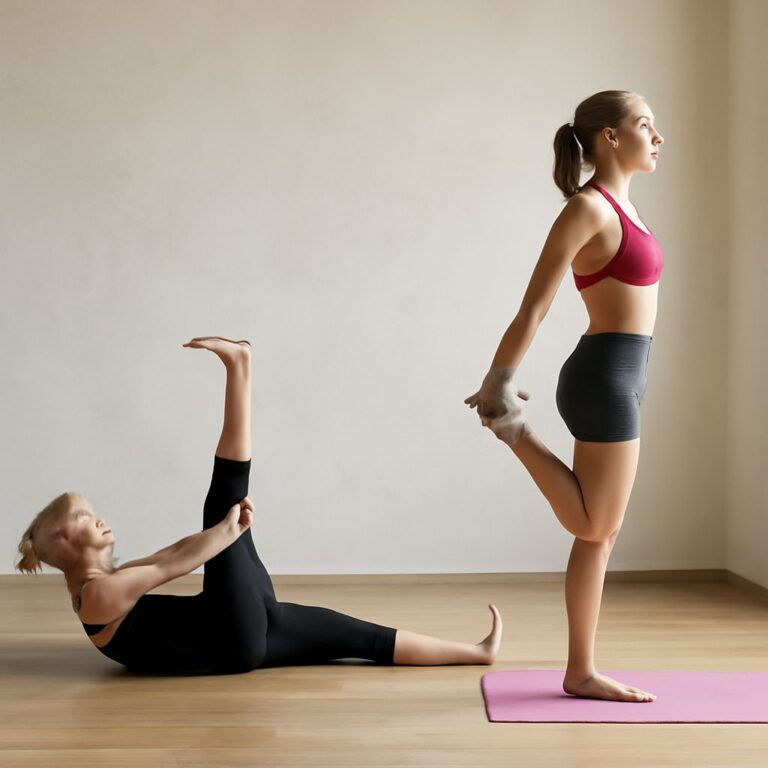
Boat Pose targets the hip flexors and lower abdominals directly. Sit with knees bent, lean back until the spine is at roughly 45 degrees, and lift the feet level with the knees. Extend the arms forward. The work is in resisting the tendency to collapse the chest. Hold for five slow breaths, rest, and repeat.
Side Plank isolates the obliques. From a standard Plank, rotate onto one hand and the outer edge of one foot, stacking the feet or placing the lower knee down for a modification. Lift the top hip. The body forms a diagonal line. Keep the supporting wrist stacked under the shoulder and the core drawn in throughout.
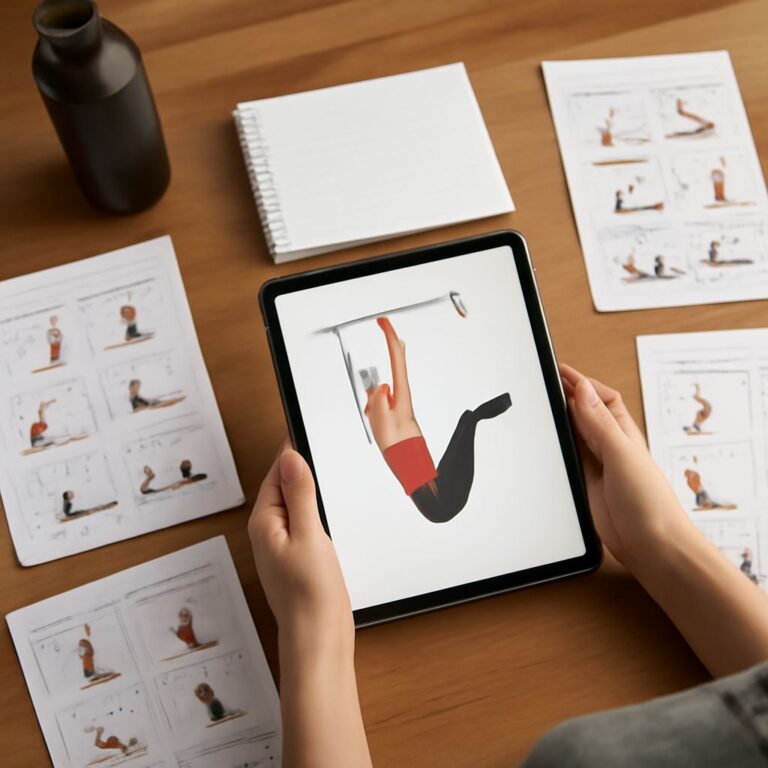
Dolphin Pose builds shoulder stability and upper abdominal engagement simultaneously. From a forearm plank with elbows under the shoulders, pike the hips up and back into an inverted V shape, then lower back to plank. The transition is the exercise. Slow and controlled reps build the strength needed for inversions.
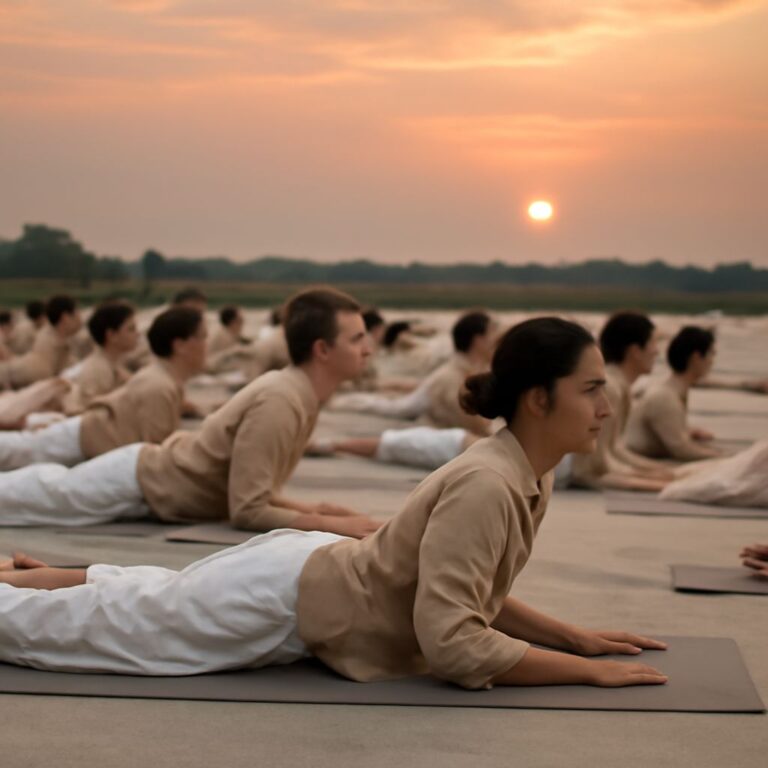
Locust Pose addresses the posterior chain, the part of the core most people neglect. Lie face down, arms alongside the body, and lift the chest, arms, and legs simultaneously. Hold for five breaths. This counterbalances the anterior focus of most core training and reduces lower back vulnerability over time.
Yoga core exercises work best in sequence. A solid 15-minute session might include two minutes of Plank, alternating with Boat Pose, Side Plank on each side, Dolphin transitions, and Locust holds. Done consistently three times per week, this sequence produces noticeable improvements in postural control and core endurance within four to six weeks.
Safety recap: if you feel lower back compression during Boat Pose, keep the knees bent and lower the feet. Any sharp shoulder pain in Side Plank means reduce the load by dropping to the lower knee. Core yoga exercises for beginners benefit from shorter holds and more rest between sets until the stabilizers adapt.