Treadmill Pool, Horse Treadmill, and Treadmill Alternatives Explained
The treadmill pool, horse treadmill, and wheelchair treadmill occupy niche but important roles in fitness, rehabilitation, and veterinary medicine. They are not the same thing, and the features, costs, and applications of each differ significantly. Understanding what distinguishes them helps practitioners, trainers, and facility managers make informed decisions.
Treadmill alternatives more broadly have expanded beyond simple substitution. The goal isn’t always to replicate walking or running on a flat motorized belt. Sometimes the goal is reduced impact, specialized population access, or performance conditions that standard treadmills don’t create. Each alternative serves a different subset of those needs.
Types of Specialized Treadmills and What They Do
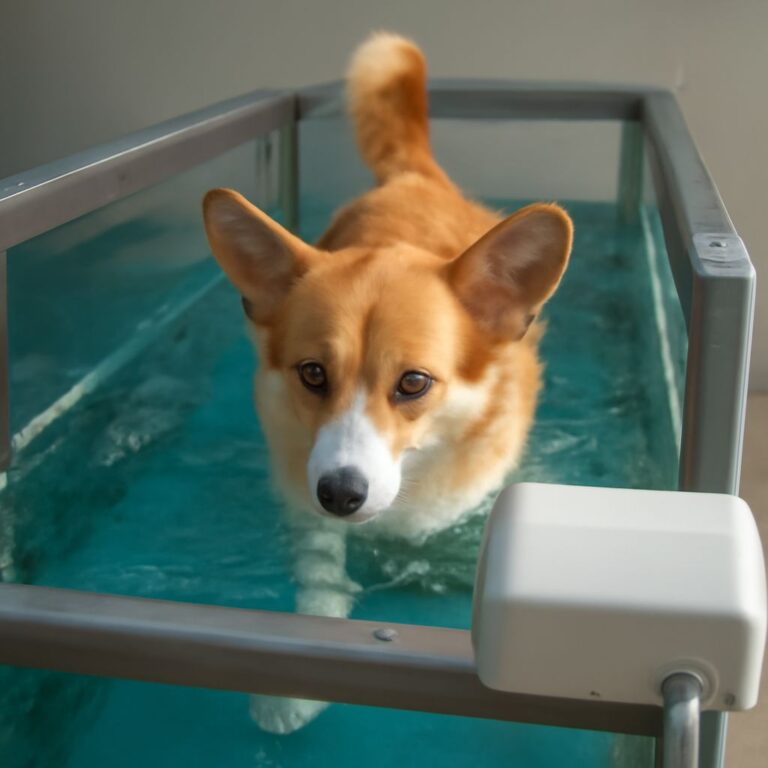
A treadmill pool, or underwater treadmill, submerges the user in water up to chest or waist height while walking or running on a motorized belt. The buoyancy reduces weight-bearing by 60 to 90 percent depending on water depth. Physical therapists use them for post-surgical rehabilitation, gait retraining, and management of arthritis or fibromyalgia. The resistance water provides increases cardiovascular demand compared to land walking at the same pace.
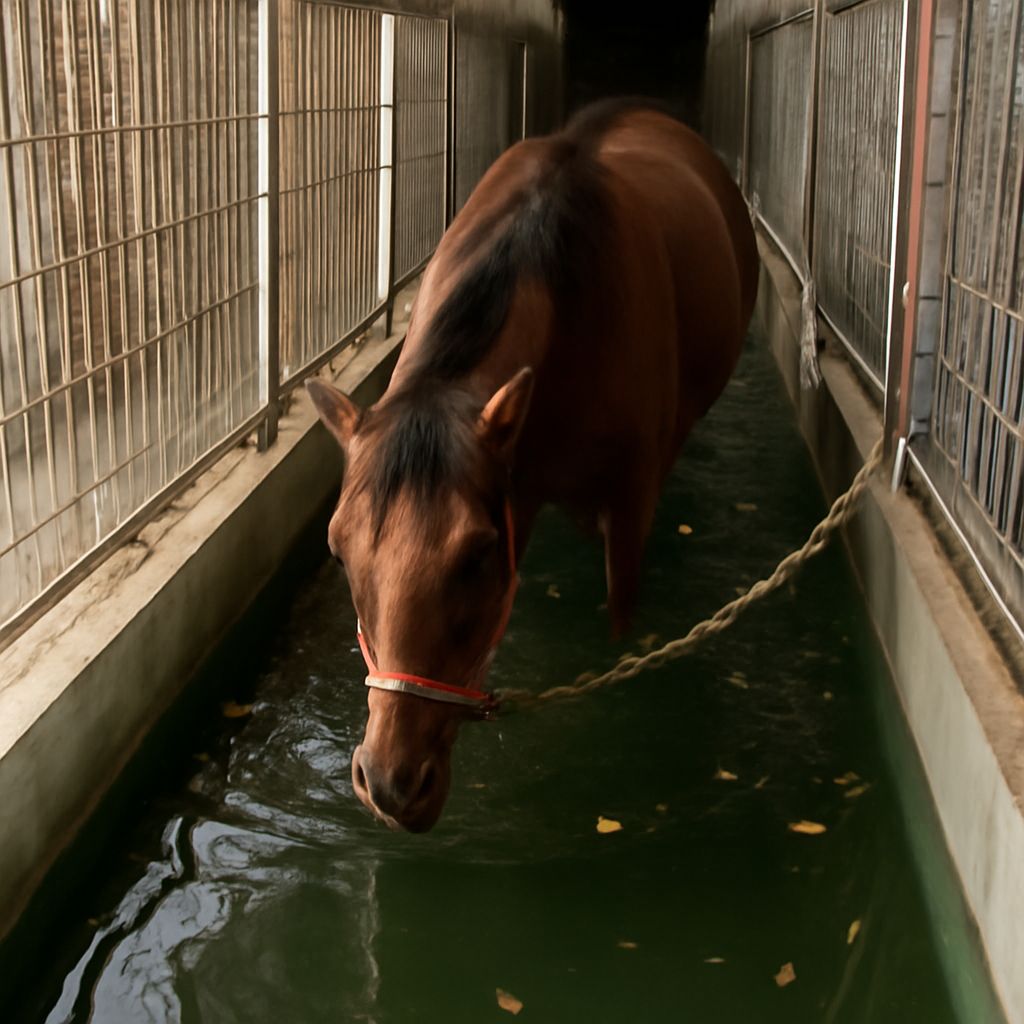
The horse treadmill is a purpose-built system for equine fitness and rehabilitation. These are large, high-capacity motorized belts or water treadmill tanks designed to accommodate horses safely. Veterinary rehabilitation facilities and equestrian training centers use them for conditioning, post-surgery recovery, and gait analysis. Horse treadmill technology has actually informed human aquatic treadmill development, as equine hydrotherapy preceded many human applications.
A wheelchair treadmill is an adapted system that allows wheelchair users to exercise using arm-powered locomotion or, in some designs, to roll the chair on a widened belt with resistance. These systems appear in adaptive sports training programs and rehabilitation centers. They enable cardiovascular conditioning and upper body endurance training for users who cannot use conventional treadmills.
Treadmill Accessories That Extend Functionality
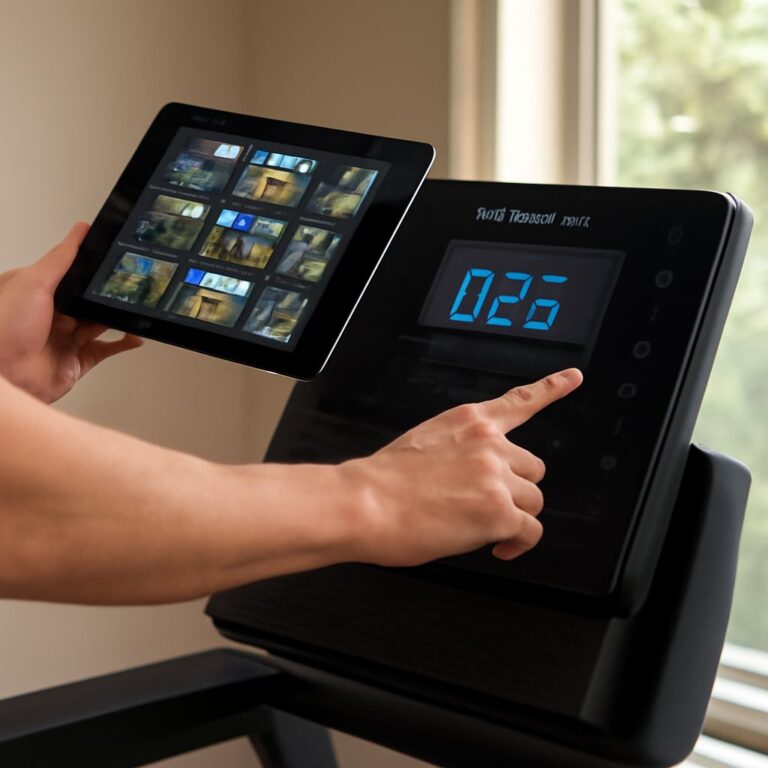
Standard treadmills become significantly more versatile with the right treadmill accessories. Safety keys with magnetic stops prevent runaway belt incidents. Padded rails and harness attachment points make them viable for balance-impaired users or gait training without a full treadmill pool setup. Heart rate sensors, incline controls, and integrated fan units address comfort and monitoring during longer sessions.
For home users, under-desk treadmill accessories like laptop mounts and device holders make low-speed walking during cognitive work practical. Research supports the benefits of walking at one to two mph during tasks that don’t require fine motor precision. The right treadmill accessories for this use case are different from those needed for running training.
Treadmill alternatives for people without access to any treadmill include incline walking outdoors, stair climbing, cycling, and rowing. Each provides cardiovascular conditioning with different joint loading profiles. Rowing is the only option that provides significant upper body cardiovascular training, which makes it a genuine alternative rather than just a substitution for lower body cardio.
Safety recap: specialized treadmills like treadmill pool systems and wheelchair treadmills should only be operated with trained supervision for new users. The weight-bearing reductions and access requirements of these systems create specific safety considerations that general treadmill orientations don’t cover.