Deadlift Platform Guide: Blocks, Competition Setup, and Seated Deadlifts
A deadlift platform is often treated as an optional accessory. For serious lifters, it is essential. Pulling from a bare gym floor without a platform means shock is absorbed by the floor structure and transmitted through the building rather than dissipated by the platform material. A proper deadlift platform protects the floor, reduces noise, and creates a consistent, grippy surface that makes every pull more repeatable.
The variety of deadlift platforms and configurations confuses a lot of people. Deadlift blocks, competition setups, home platforms, and the less-common seated deadlift all occupy different niches. Each is built around a specific purpose, and understanding those distinctions helps you set up your training environment correctly.
Types of Platforms, Blocks, and Competition Setup
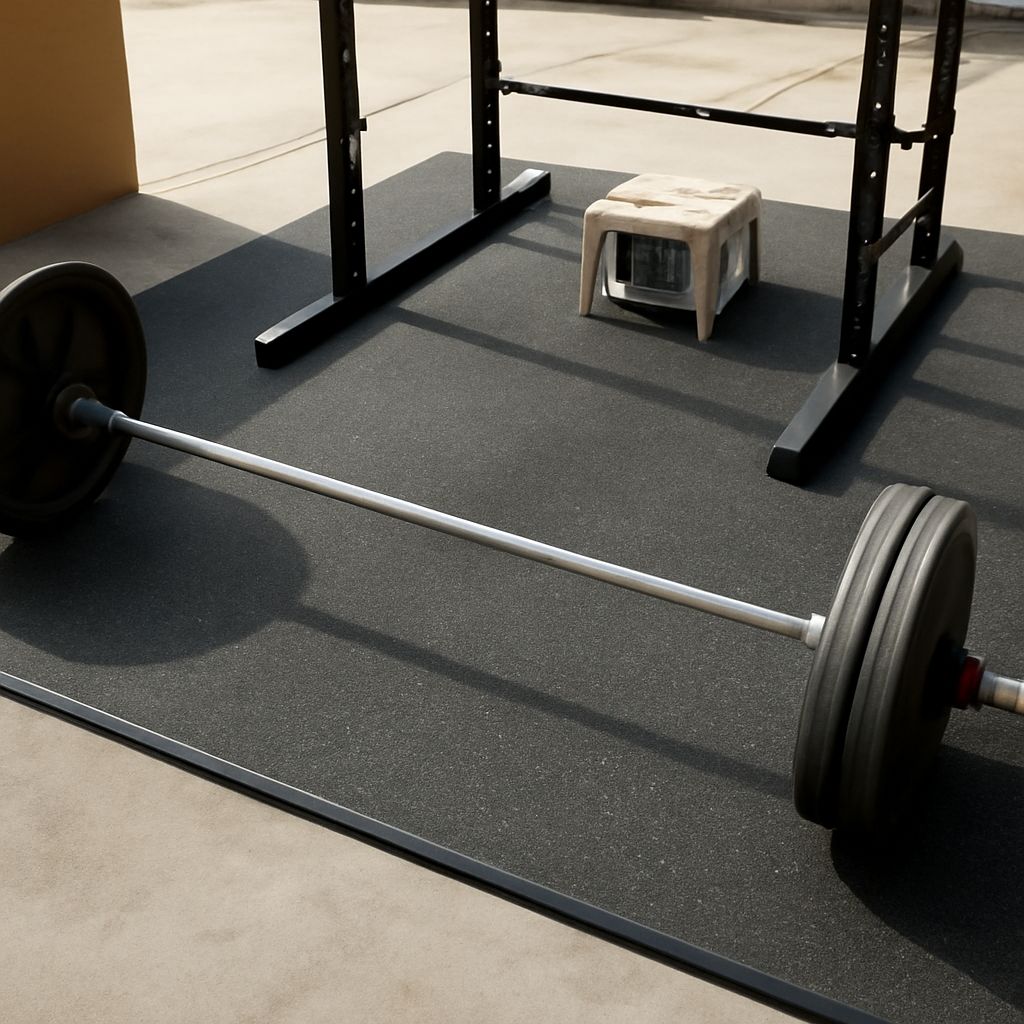
A home deadlift platform is typically built from plywood with a rubber insert in the center bar zone. Two layers of 3/4-inch plywood form the base, with a strip of stall mat or horse rubber placed where the plates land. The combination absorbs impact and prevents floor damage. Dimensions of 8 by 4 feet cover most setups. This configuration handles daily training loads and protects floors in home gyms effectively.
Deadlift blocks are shorter platforms that raise the bar off the floor by a specific height, usually 2, 4, or 6 inches. Training block pulls addresses specific weaknesses in the range of motion. Pulling from 4-inch blocks targets the mid-shin position, which is where many lifters stall. Blocks also allow heavier loads than floor pulls because the range of motion is reduced, making them useful for overload work.
A deadlift competition platform is regulated by federation. In powerlifting, the platform must be a minimum size, non-slip, and often marked with chalk lines indicating the lifting area. The bar must be loaded with specific collar-to-collar spacing. Competing lifters train on deadlift platforms close to competition specification so the feel is familiar on meet day.
The seated deadlift is an uncommon variation performed from a box or bench rather than the floor. The lifter sits, grips the bar placed in front at the correct height, and pulls vertically. This isolates the hip extensors and removes the leg drive contribution from the initial pull. It’s used therapeutically and for addressing specific technical breakdowns in the conventional or sumo pull.
For home platform construction, the most important choice is the rubber. Standard horse stall mat is 3/4 inch thick and absorbs a full deadlift drop adequately. Thinner rubber compresses and bottoms out under heavy loads. Two layers of stall mat in the center zone, totaling 1.5 inches, is the preferred spec for lifters who drop weights from lockout.
Platform placement matters too. Position it near a mirror or at a camera angle if you film your lifts, which most serious lifters eventually do for form review. Leave at least two feet of clearance on each side so you can step back from the bar safely after each set.
Bottom line: a deadlift platform is a foundational piece of equipment for anyone pulling regularly at home. Deadlift blocks add training versatility. Competition deadlift setups require attention to federation standards. The seated deadlift is a specialized tool for rehabilitation and targeted strength work rather than a mainstream training option.