Yoga Challenge Poses, Yoga Beads, and Building a Consistent Practice
Yoga challenge poses trend on social media every few months, pulling practitioners toward advanced asanas before foundational strength and alignment are in place. Yoga challenges have value when they provide structured progression. They become problematic when the goal shifts from developing practice to performing for an audience. Most injuries from yoga challenges trace back to attempting a pose before the prerequisites are met.
Ps yoga, a term sometimes used informally to tag yoga content or reference PlayStation VR yoga applications, reflects the broad cultural reach of yoga-adjacent content. Whether ps yoga refers to a specific app or community, the underlying question is the same as with any yoga challenge: does the format serve the practice, or does the practice become a vehicle for the format?
How to Use Yoga Challenges and Props Intentionally
A yoga challenge is useful when it provides a clear sequence with daily progressive steps rather than a random collection of advanced poses. A 30-day challenge built around hip openers, for example, with each day’s practice building on the previous one, creates genuine development over time. A challenge that asks you to attempt Wheel Pose on day three without addressing shoulder mobility or spinal preparation is marketing content, not a practice tool.
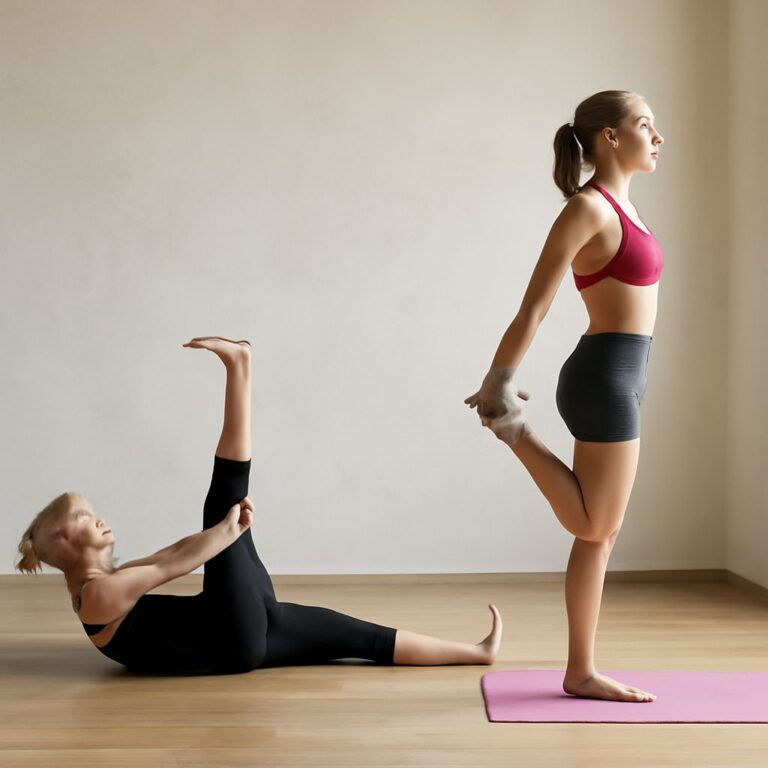
Yoga challenge poses that appear frequently in social media challenges include King Pigeon, Firefly, Eight-Angle Pose, and various arm balances. Each requires specific prerequisites. King Pigeon needs deep hip external rotation, shoulder flexibility, and spinal extension. Firefly requires wrist strength, hip mobility, and the ability to load weight through a straight arm with the elbow joint protected. Attempting either without those foundations in place risks injury to the soft tissue structures involved.
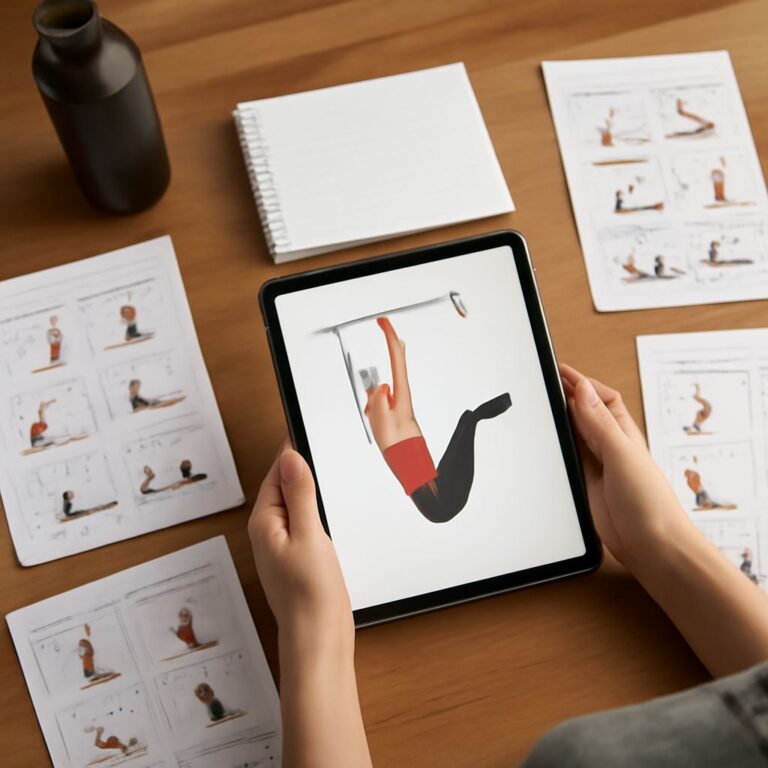
Work backward from a target pose. If you want to work toward Firefly as part of a yoga challange practice, start with Garland Pose to open the hips, Low Plank holds to build wrist endurance, and Crow Pose as an intermediate arm balance that tests the basic requirements. Each of those has prerequisites too. This reverse engineering is how yoga challenge poses become achievable rather than aspirational.
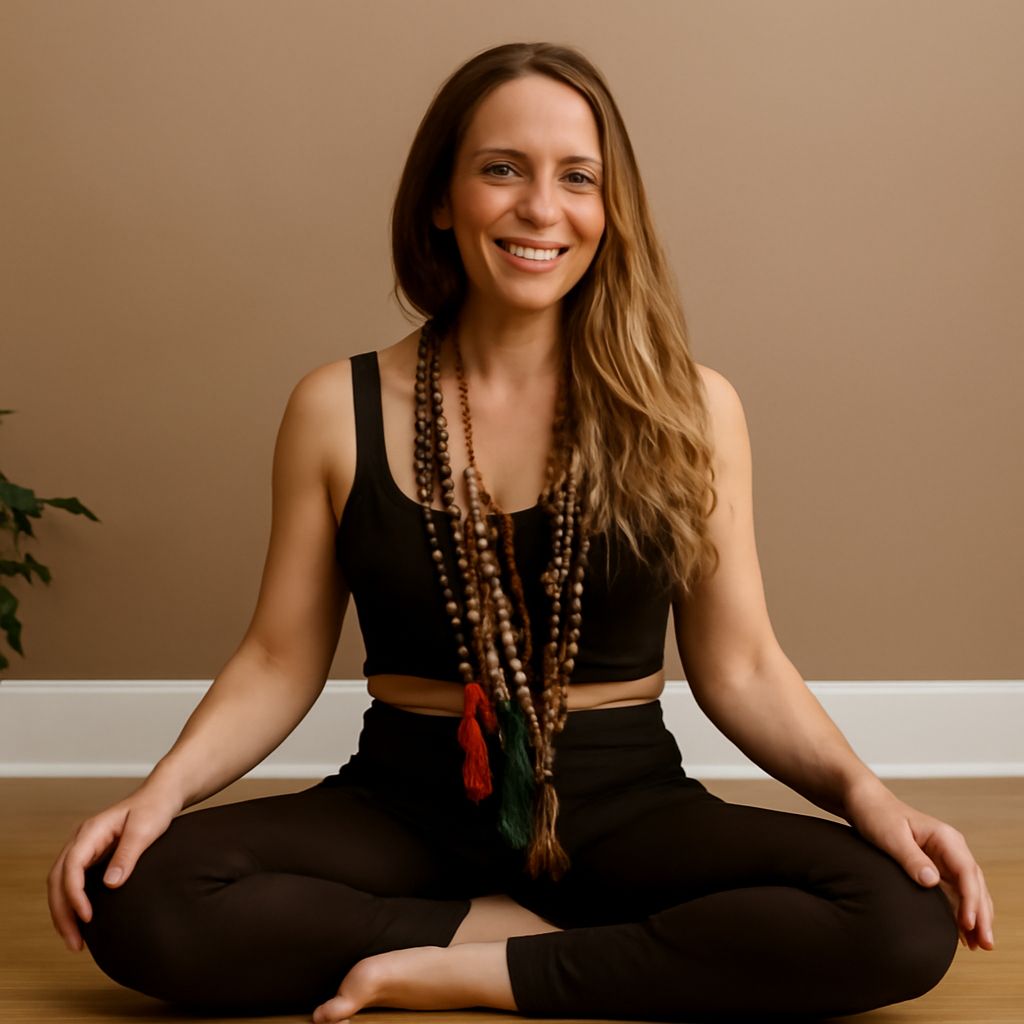
Yoga beads, traditionally called mala beads, are used in yogic and Buddhist practice for counting mantras or breath cycles during meditation. A standard mala has 108 beads. Each bead marks one repetition of a mantra or one breath count. Using yoga beads during pranayama practice provides a tactile anchor that keeps the mind from wandering without requiring mental counting effort.
The material and quality of yoga beads affects the practice experience. Rudraksha seeds are traditional and used specifically in Shaivite practice. Sandalwood and rose quartz malas are common in broader yoga contexts. The connection to a material, whether through tradition or personal resonance, adds meaning to the practice. A cheap plastic mala can serve the counting function without that dimension.
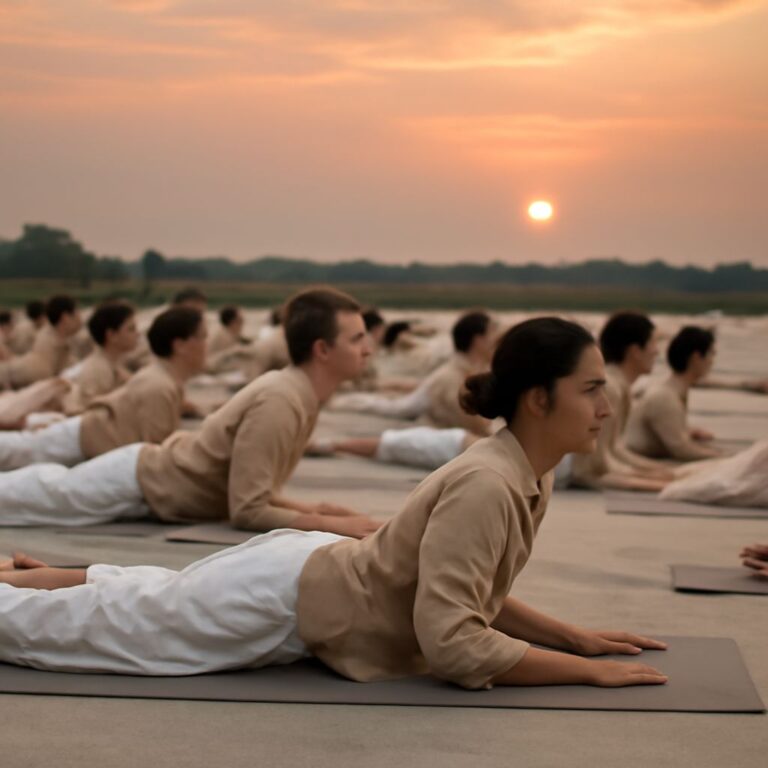
Building a consistent practice requires structure that doesn’t depend on external motivation. Yoga challenges provide temporary external motivation. Yoga beads provide a daily ritual anchor. The combination can work well during the early stages of habit formation, with the challenge providing structure and the beads marking daily commitment through the ritual of handling them before practice.
Pro tips recap: only attempt yoga challenge poses after confirming the physical prerequisites are in place. Use yoga challenges that progress systematically rather than those that jump to peak poses immediately. Yoga beads are most effective when integrated into a regular meditation or pranayama practice rather than used occasionally. Treat any yoga challange as a tool for building habit and understanding, not a performance metric.