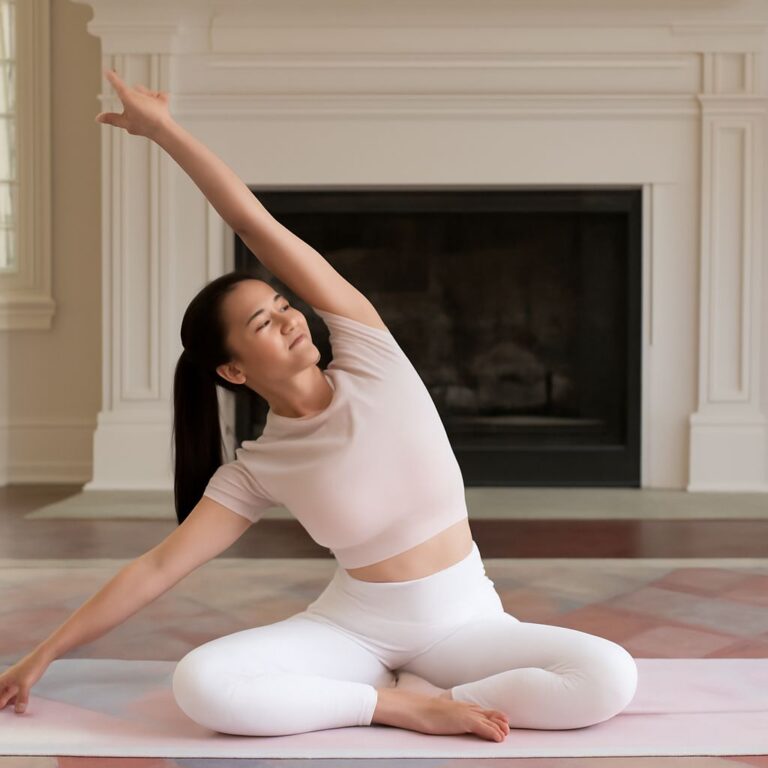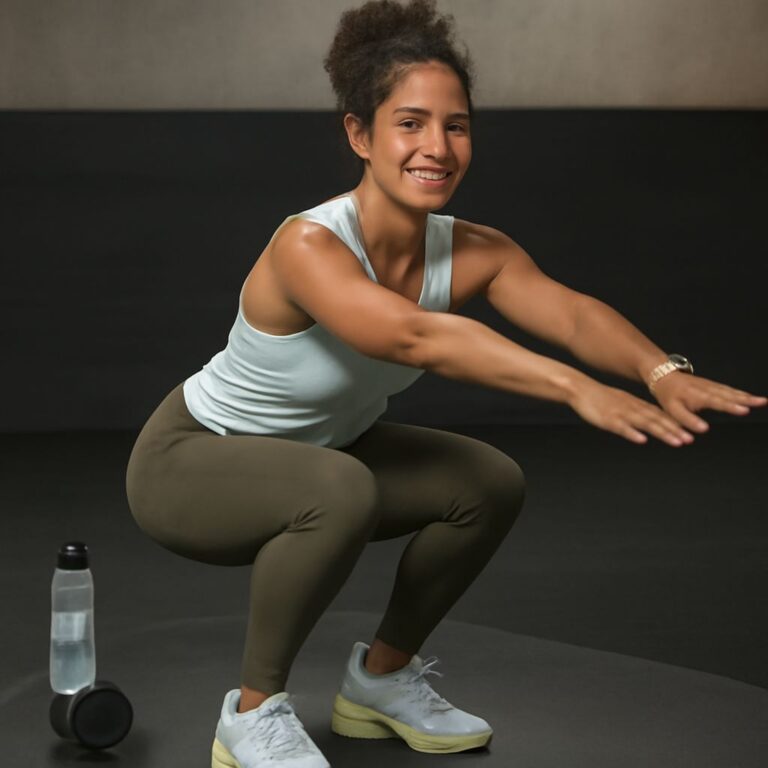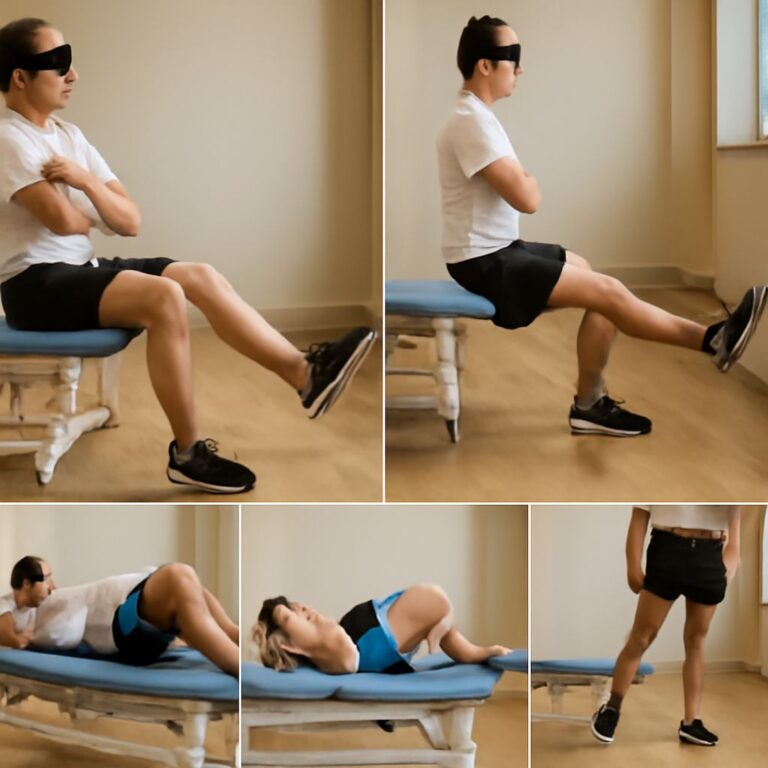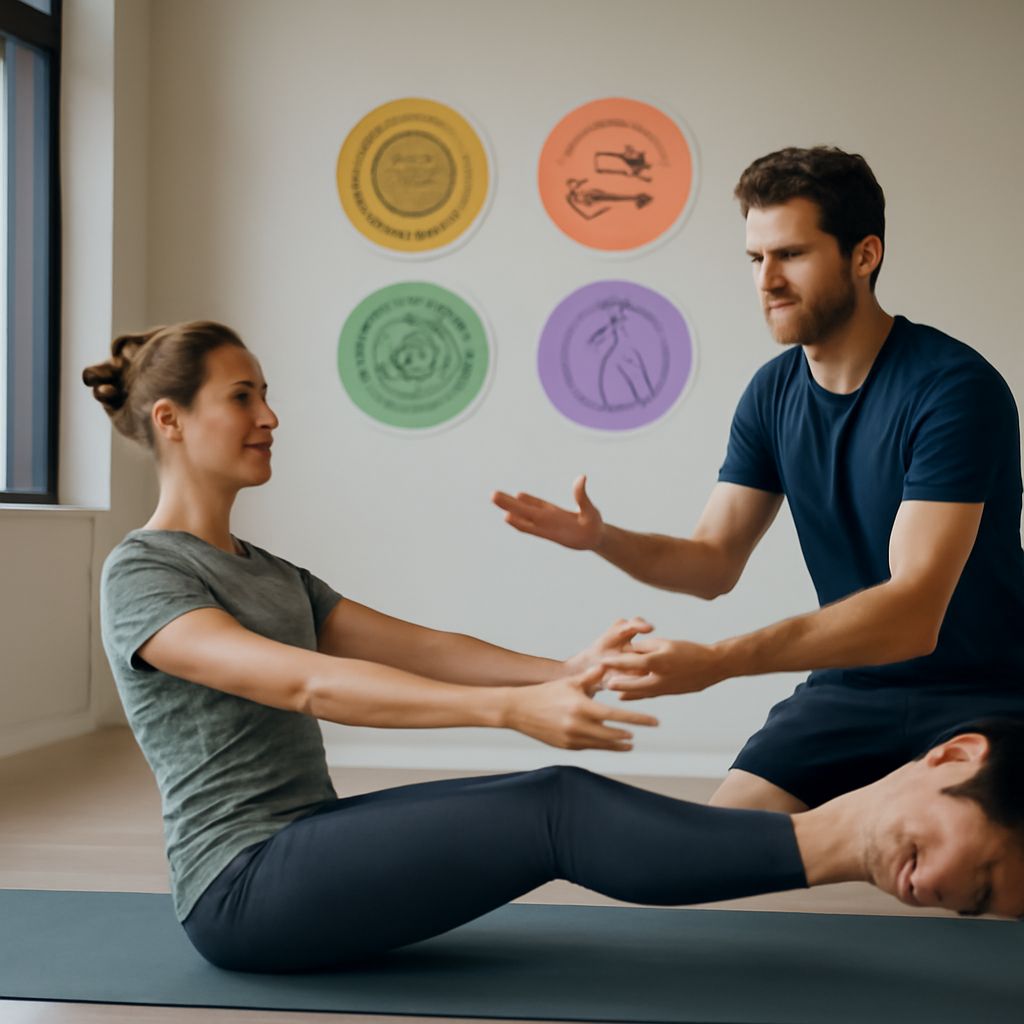
Pilates principles are frequently referenced but rarely explained with precision. Many practitioners know the list: concentration, control, centering, flow, precision, and breathing. Fewer understand what each pilates principle actually requires in physical terms during exercise. This matters because the 6 principles of pilates are not decorative philosophy. They are operational guidelines that determine whether an exercise is being performed as the system intended or merely in its approximate shape.
Types of yoga breathing and pilates breathing share lineage in pranic and somatic traditions while diverging in technical application. The history of yoga timeline spans thousands of years and influenced the breathing and body awareness practices that Joseph Pilates absorbed during his early career. Knowing where the method came from helps practitioners understand why its principles carry the weight they do.
What the Six Pilates Principles Mean in Practice
Concentration, Control, and Centering
Concentration is the first pilates principle because without it, none of the others can operate. This is not abstract focus. It is specific attention directed to each muscle group, joint, and breath phase as it occurs. During the hundred exercise, concentration means tracking the stability of the pelvis, the engagement of the abdominals, and the consistency of the pumping arms simultaneously. That level of attention is trainable. It develops over weeks of practice.
Control, the principle that gave the method its original name of Contrology, means no movement is accidental or momentum-driven. A practitioner applying the control pilates principle performs every repetition with deliberate muscular engagement from initiation to completion. The eccentric phase of each movement receives as much attention as the concentric. This doubling of conscious engagement is what makes pilates movements so effective at low speeds with no external load.
Centering refers to initiating all movement from the core, which Pilates described as the powerhouse: the area from the lower ribs to the hip bones including the deep abdominals, pelvic floor, and lower back stabilizers. The 6 principles of pilates place centering as foundational because the powerhouse stability protects the spine during every extremity movement.
- Practice each principle separately for one week by selecting one as your sole focus during each session
- Record sessions and review for evidence of each principle: is control breaking down in the final reps?
- Study the history of yoga timeline to appreciate how breathing science informed pilates breath patterns
- Apply types of yoga breathing awareness to your pilates sessions to deepen thoracic expansion
Flow, precision, and breathing complete the six. Flow means transitions between exercises carry the same quality of attention as the exercises themselves. Precision means each repetition looks and feels like the last, with no degradation in form. Breathing synchronizes with movement phases to support abdominal engagement during exertion.
How Breathing Connects Pilates to Yoga Traditions
The types of yoga breathing include pranayama techniques that predate pilates by thousands of years according to the history of yoga timeline. Ujjayi breath, nadi shodhana, and kapalabhati all work with different ratios of inhalation, retention, and exhalation to achieve different physiological effects. Pilates breathing is a distinct system, but it borrows from this heritage of using breath as both a structural support mechanism and a focus anchor.
In pilates, inhalation precedes the effort phase and exhalation accompanies it. This is the opposite of many strength training breathing patterns where exhalation accompanies maximum effort. The pilates principle around breathing is that thoracic expansion on inhalation creates three-dimensional rib cage support, while abdominal engagement on exhalation maintains spinal stability during the work phase of each exercise.
Practitioners who apply yoga breathing awareness to pilates sessions often report a qualitative shift in how exercises feel and perform. The history of yoga timeline shows that this cross-pollination has always occurred: somatic traditions borrow from each other because effective principles travel across systems.
Bottom line: The pilates principles are not optional guidelines for advanced practitioners. They are the method itself. A session that prioritizes them at the expense of variety or intensity produces more lasting benefit than high-volume practice that ignores them. Start with concentration and build from there.