Kettlebell Snatch: Build Power and Endurance With This Essential Move
Many gym-goers avoid the kettlebell snatch because it looks technical and intimidating. That reputation is partially earned, but it overstates the difficulty for most beginners. The movement breaks down into learnable components that any dedicated trainee can master with consistent practice. Kettlebell snatches build explosive hip extension, grip endurance, and shoulder stability in a single continuous movement, making them one of the most time-efficient exercises in strength training.
A heavy kettlebell is not the starting point. Most coaches recommend beginning with a weight that allows clean technique for ten to fifteen repetitions per arm before adding load. The kettlebell snatch benefits compound over time only when the foundational pattern is sound. A kettlebell snatch workout that sacrifices form for weight delivers pain, not progress.
How to Build the Kettlebell Snatch From the Ground Up
The swing is the foundation. If your hip hinge pattern is weak, the snatch will be weak. Begin with two-handed swings to groove the explosive hip drive that powers the entire movement. Once the swing is consistent, progress to one-arm swings, then to the high pull, then to the full snatch. Each step builds the next.
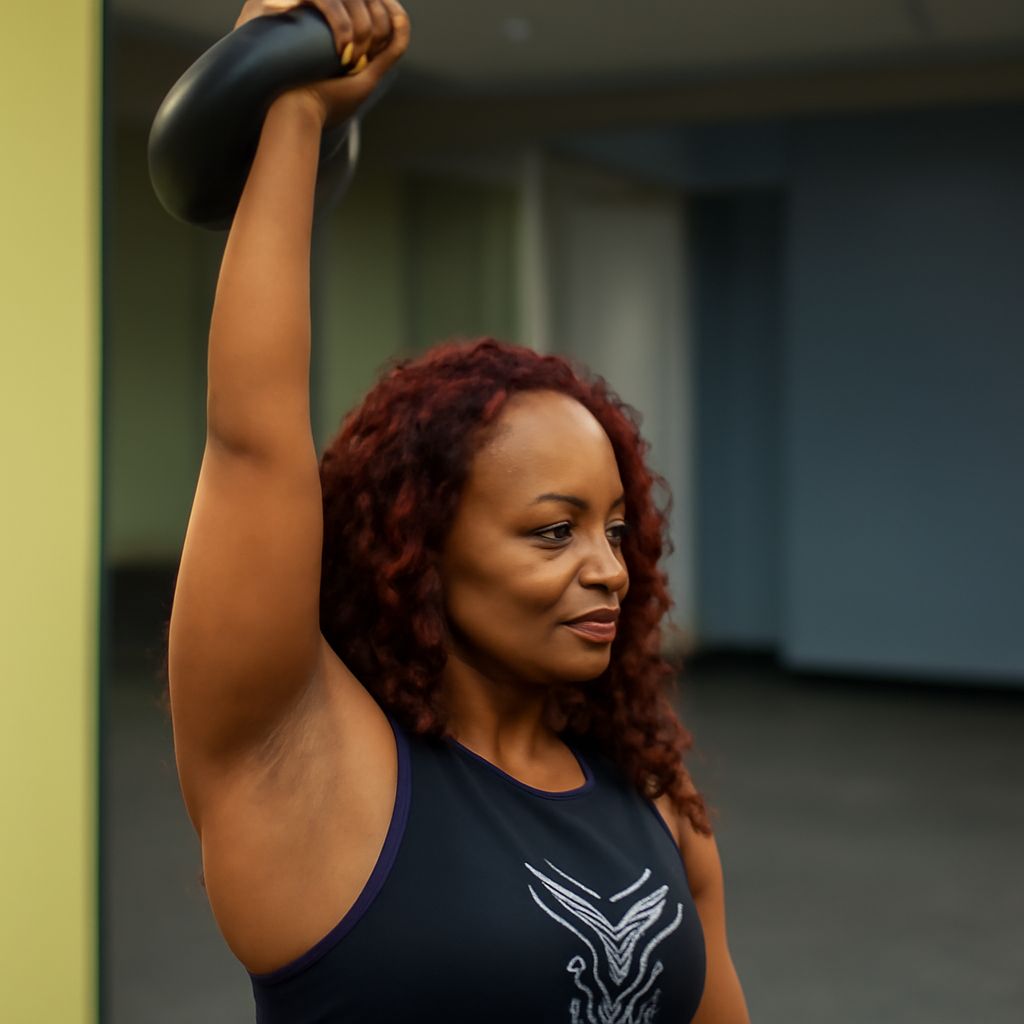
The transition from high pull to snatch happens at the top of the arc. The kettlebell travels close to the body throughout. At the moment it passes eye level, the elbow punches upward and the hand rotates to guide the bell into an overhead lockout position. The wrist stays straight. The shoulder packs into its socket. This sequence takes deliberate repetition to automate.
Grip endurance limits most beginners before strength does. The forearms fatigue from the continuous acceleration and deceleration of each repetition. Building grip capacity through farmer’s carries and dead hangs accelerates progress in snatching without overloading the movement pattern itself.
- Start with a manageable load and build technique before adding weight
- Practice the high pull as a standalone exercise before attempting full snatches
- Use chalk to manage grip during longer snatch sets
- Record your sessions to spot technique breakdown that is hard to feel in the moment
The kettlebell snatch benefits accumulate across multiple physiological systems. Cardiovascular demand during longer sets matches interval training. The posterior chain strengthening rivals barbell deadlift variations. Overhead stability gained from repeated lockouts transfers directly to pressing strength.
Programming a Kettlebell Snatch Workout That Produces Results
Frequency matters more than volume for beginners. Two to three sessions per week is sufficient to build both technique and conditioning without excessive grip fatigue. Each session can include two to four sets of ten repetitions per arm with full recovery between sets.
As technique matures, add volume before adding weight. Ten sets of five repetitions per arm with a manageable load produces more useful adaptation than five sets of five repetitions with a heavy kettlebell that breaks down by the fourth rep.
The kettlebell snatch workout format most used by coaches for conditioning purposes is timed sets. Ten minutes of alternating one-arm snatches, switching hands as needed without setting the bell down, develops cardiovascular capacity and grip endurance simultaneously. This format is known as the snatch test in sport kettlebell circles.
Choosing a heavy kettlebell for working sets comes after a significant base of technique and conditioning has been built. For most trainees this means six to twelve weeks of consistent practice at lower loads. Rushing the progression increases injury risk without improving outcomes.