Kettlebell for Beginners: Your Complete Starting Guide
A kettlebell for beginners looks deceptively simple: a cannonball with a handle. The tool is simple. The learning curve is not steep, but it requires specific technique to use safely and effectively. Many beginners pick up a kettlebell and start swinging based on a video they watched once. That approach leads to lower back strain more often than progress. Kettlebell workouts for beginners built on sound technique produce fast, visible results when programmed correctly.
Kettlebell exercises for beginners do not require a gym membership or complex equipment setup. A single kettlebell of appropriate weight and a clear space of about six square feet is sufficient. Beginner kettlebell training is genuinely accessible in terms of cost and space. The investment is primarily in learning the movement patterns, not in acquiring gear.
The Essential Kettlebell Moves Every Beginner Should Learn
Deadlift, Swing, and Goblet Squat
The hip hinge is the foundation of almost every kettlebell movement. Learning to hinge at the hip rather than rounding at the spine protects the lower back and generates the explosive power that makes kettlebell training effective. Practice the hinge with a bodyweight drill first: stand about a foot from a wall, push your hips back to touch the wall, keep your spine long. That is the hinge pattern.
The kettlebell deadlift applies the hinge under load. Place the bell between your feet, hinge to grip the handle, brace your core, and drive through your feet to stand. This single movement teaches the posterior chain activation that transfers to every swing, clean, and snatch you will eventually learn.
The two-handed swing is the most important kettlebell exercise for beginners after the deadlift. Drive with the hips, not the arms. The bell floats to shoulder height from the momentum of that hip extension, not from a pulling motion. Getting this distinction right is the difference between an effective swing and a lower back injury waiting to happen.
- Start with a weight that allows fifteen clean swings without form breakdown
- Master the deadlift and hinge before attempting any swing variations
- Use the goblet squat to build knee tracking and ankle mobility simultaneously
- Record your swings from the side to check hip hinge depth and spine neutrality
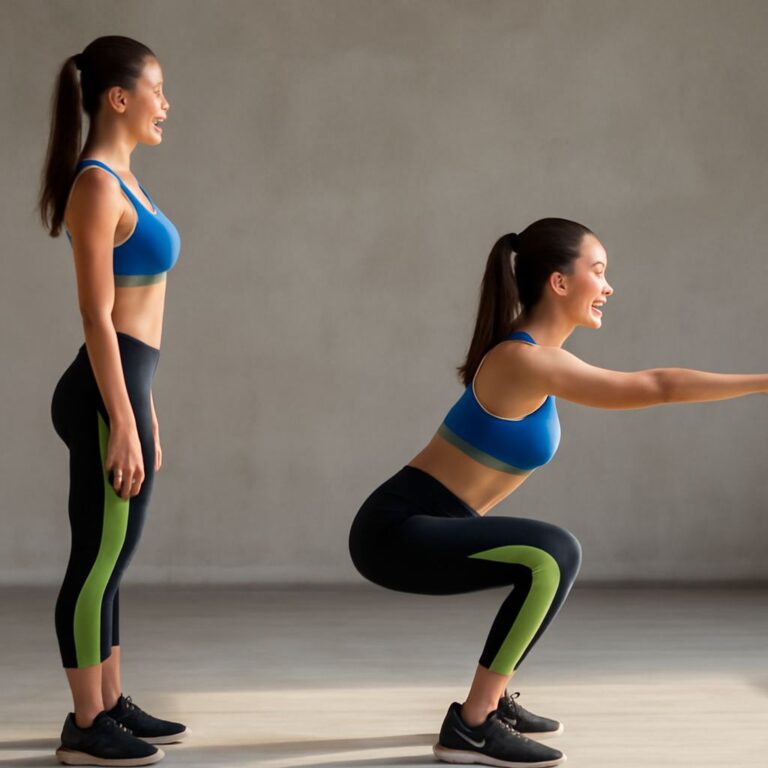
The goblet squat holds the kettlebell vertically at the chest. It builds squat depth, hip mobility, and upper back strength while the load counterbalances the body. This position helps beginners find a deeper, more upright squat position than bodyweight squats typically allow.
Building Your First Beginner Kettlebell Program
A kettlebell beginner program three days per week is sufficient to produce strength adaptation and cardiovascular improvement simultaneously. Each session can be completed in twenty to thirty minutes. Rest between sessions matters: forty-eight hours between training days allows the posterior chain to recover fully.
A simple beginner kettlebell workout might look like this: five deadlifts, ten swings, eight goblet squats, and a thirty-second rest, repeated four to five times. This format builds all the foundational movement patterns within a single session without requiring multiple different exercises.
Kettlebell workouts for beginners should prioritize technique confirmation during the first four weeks before adding load. When ten swings feel easy and look clean on video, move to a heavier weight. When fifteen goblet squats feel effortless with good form, add load. Let technique lead progression, not schedule.
Safety recap: Never swing a kettlebell you cannot deadlift with clean form first. Keep the wrist straight and the grip firm throughout all movements. If you feel strain in your lower back during swings, return to the hinge drill and reduce weight before continuing.