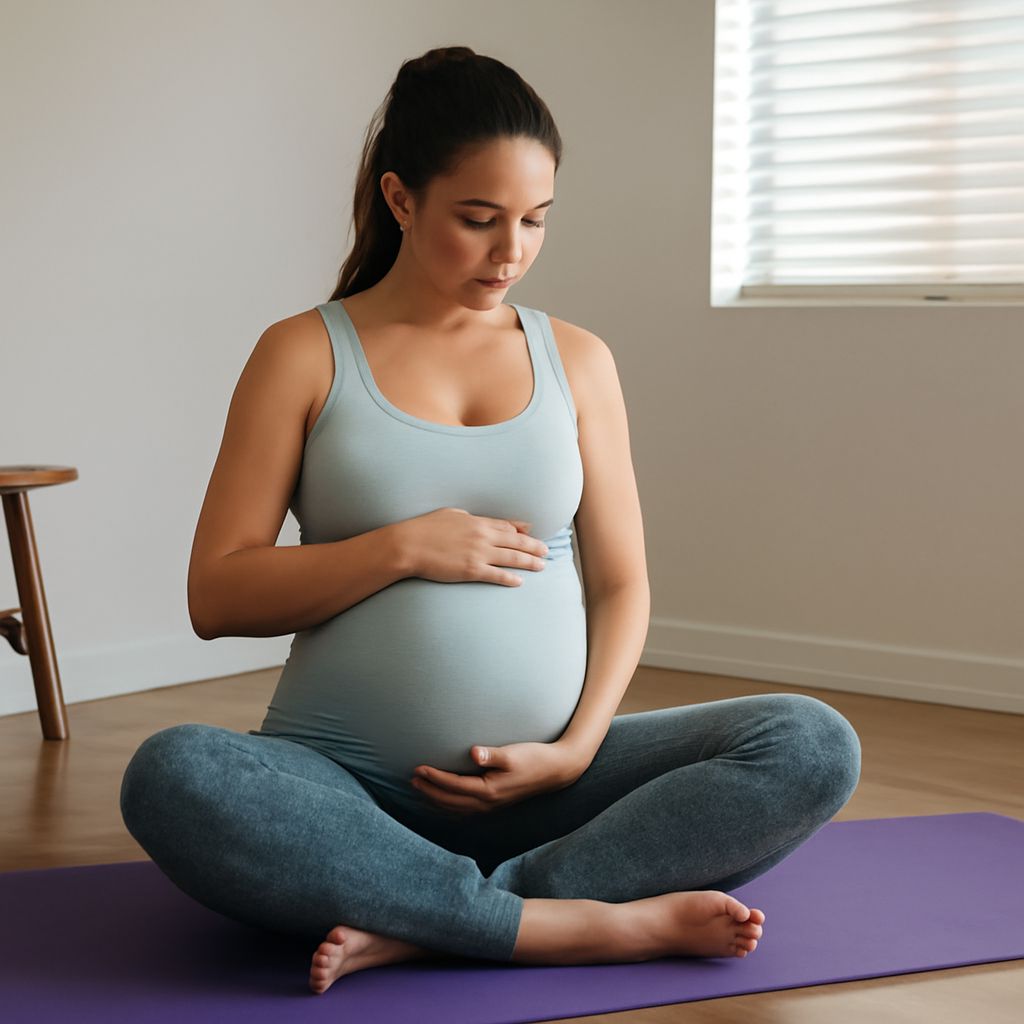
Fertility Yoga: Poses and Practices to Support Reproductive Wellness
Fertility yoga is not a medical treatment, and it should not be marketed as one. The honest framing is this: specific fertility yoga poses reduce chronic stress, improve pelvic circulation, and support hormonal balance through nervous system regulation. These effects are real and well-documented. What they cannot do is override structural fertility challenges or replace evidence-based medical care. Approached with accurate expectations, yoga offers meaningful support within a broader fertility care plan.
Alpaca yoga events, which feature these gentle animals roaming freely during practice, sometimes incorporate fertility-focused sequences because the relaxation response triggered by animal interaction complements the parasympathetic goals of fertility practice. Yoda yoga, a playful branded format, uses similar restful postures wrapped in themed humor. And yoga conference programs increasingly feature fertility specialists who present the research directly to practitioners and teachers.
Fertility Yoga Poses That Support the Body
Pelvic and Hip Opening Sequences
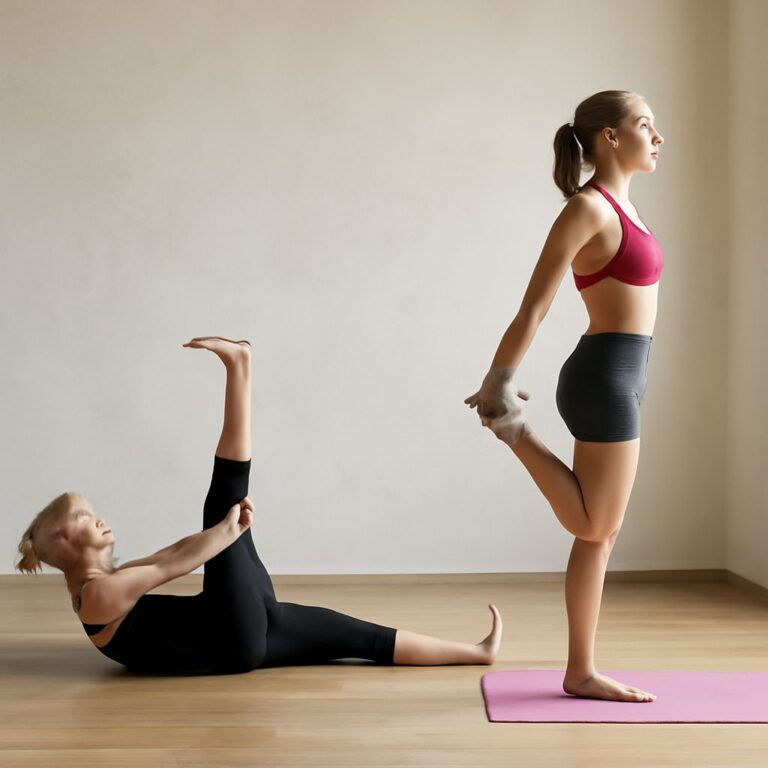
Supported bridge pose with a bolster under the sacrum is one of the most commonly included fertility yoga poses in specialized sequences. It elevates the pelvis gently while supporting the lower back, creating mild inversion that improves circulation through the pelvic organs. Hold for three to five minutes per session for best results.
Reclined butterfly, with the soles of the feet together and the knees falling wide, releases the inner groin and hip rotators. Supported with blankets under the outer thighs to prevent overstretching, this pose calms the autonomic nervous system while opening the area where many women carry chronic tension.
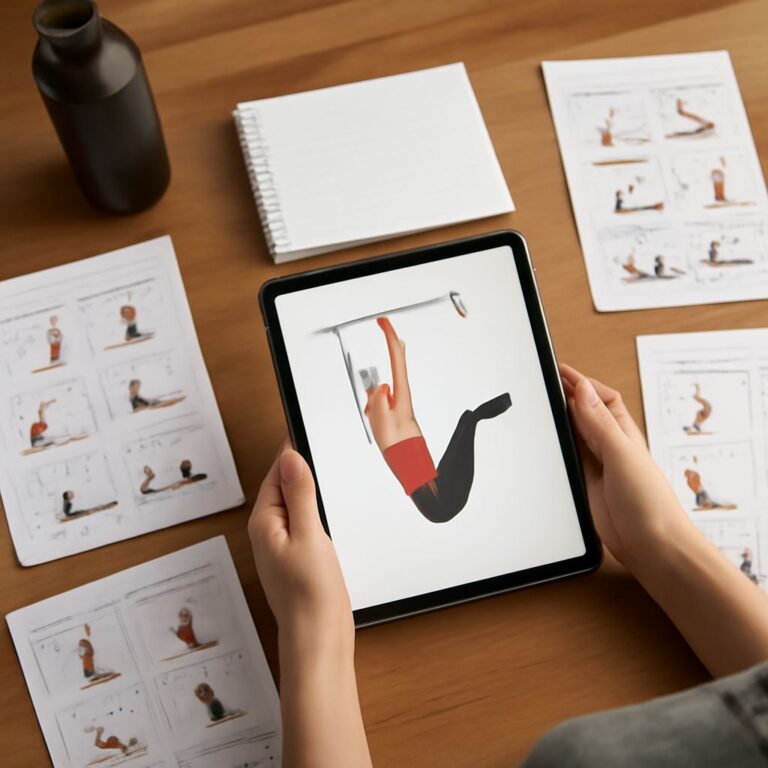
Viparita karani, legs up the wall, is perhaps the single most accessible fertility yoga practice available. It requires no equipment, no prior experience, and no flexibility. Spending ten minutes in this position daily after ovulation is recommended in many holistic fertility protocols as a way to reduce cortisol and support uterine circulation.
- Practice supported poses rather than active poses during the luteal phase of the menstrual cycle
- Avoid hot yoga and intense heat-generating sequences if actively trying to conceive
- Include legs-up-the-wall daily for passive pelvic circulation support
- Consider attending a yoga conference session specifically focused on reproductive wellness yoga
Alpaca yoga and other animal-assisted formats deserve a genuine look for their stress reduction value. Research on human-animal interaction consistently shows cortisol reduction following contact with friendly animals. For practitioners who find silent studio environments stressful, a more playful setting may produce greater parasympathetic response.
Building a Fertility-Supportive Practice Over Time
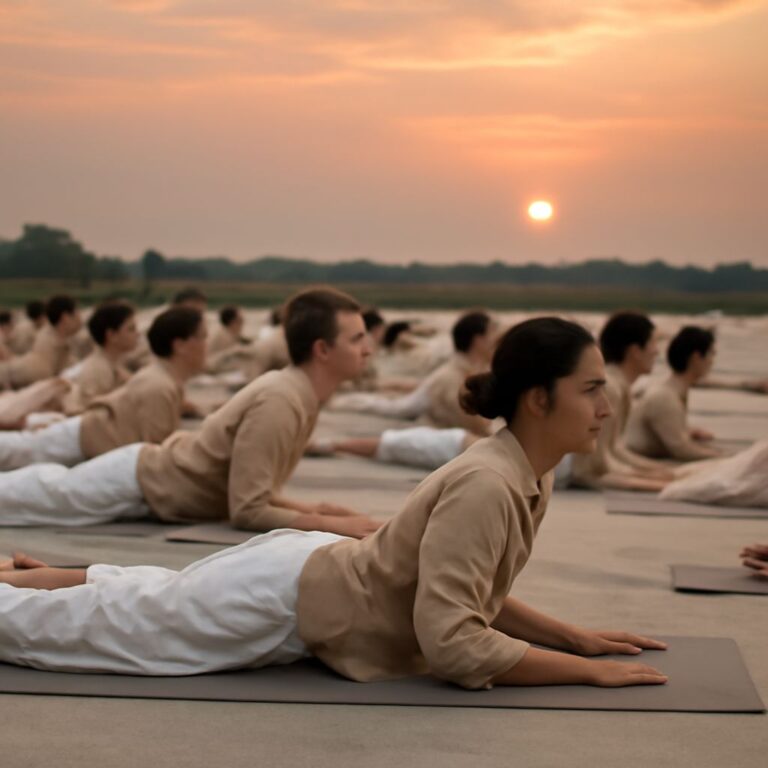
Consistency matters more than intensity in fertility yoga. Daily twenty-minute sessions of gentle, supported postures produce more hormonal benefit than occasional vigorous classes. The goal is nervous system regulation, not caloric expenditure or physical challenge.
Yoda yoga and similar playful formats remind practitioners not to take the practice so seriously that stress about doing it correctly cancels the benefit. The most effective fertility yoga approach is one you actually enjoy and return to reliably.
Timing within the menstrual cycle affects what types of yoga are most appropriate. During menstruation and the follicular phase, gentle movement and supported poses are preferred. During the luteal phase, complete rest days and yin-style practices tend to serve better than active sequences.
Pro tips recap: Start with legs-up-the-wall and supported bridge as your daily foundation. Track your cycle and adjust practice intensity by phase. Work with a fertility specialist alongside your yoga practice rather than treating yoga as a standalone treatment.