Yoga for Mental Health: From Pelvic Floor to First Responder Support
Yoga for mental health is not a metaphor. The physiological mechanisms are documented. Slow, diaphragmatic breathing directly activates the vagus nerve, shifting the autonomic nervous system from sympathetic dominance toward parasympathetic balance. That shift measurably reduces cortisol, slows heart rate, and creates the neurochemical conditions for emotional regulation. This is not wellness marketing. It is biology that yoga practices access through breath and movement.
Yoga for pelvic floor health, yoga retreats for beginners, yoga for first responders, and yoga sequence for back pain each address a specific population with distinct needs. What connects them is the same underlying mechanism: regulated breathing and conscious movement produce physical and psychological effects that improve wellbeing across body systems simultaneously.
Specific Applications: Pelvic Floor, Retreats, and First Responders
Targeted Populations and Evidence-Based Approaches
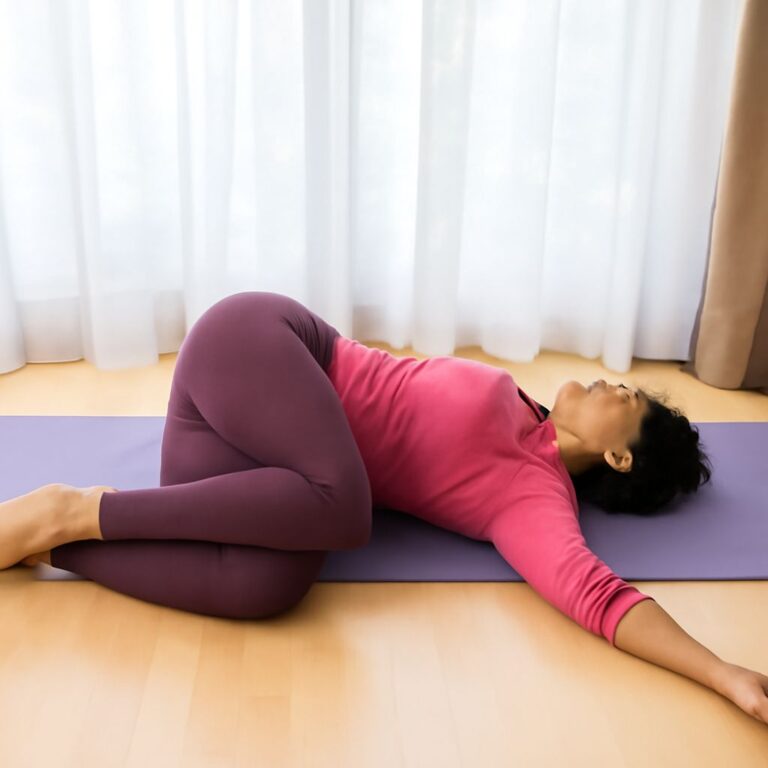
Yoga for pelvic floor health addresses both hypertonicity (excessive tension) and hypotonicity (weakness) in the muscles that support the bladder, bowel, and uterus. The common assumption is that pelvic floor work means kegel exercises. Yoga for pelvic floor health takes a broader view: many pelvic floor dysfunctions arise from tension rather than weakness, and hip opening practices combined with diaphragmatic breathing treat the tension pattern that kegels can actually worsen.
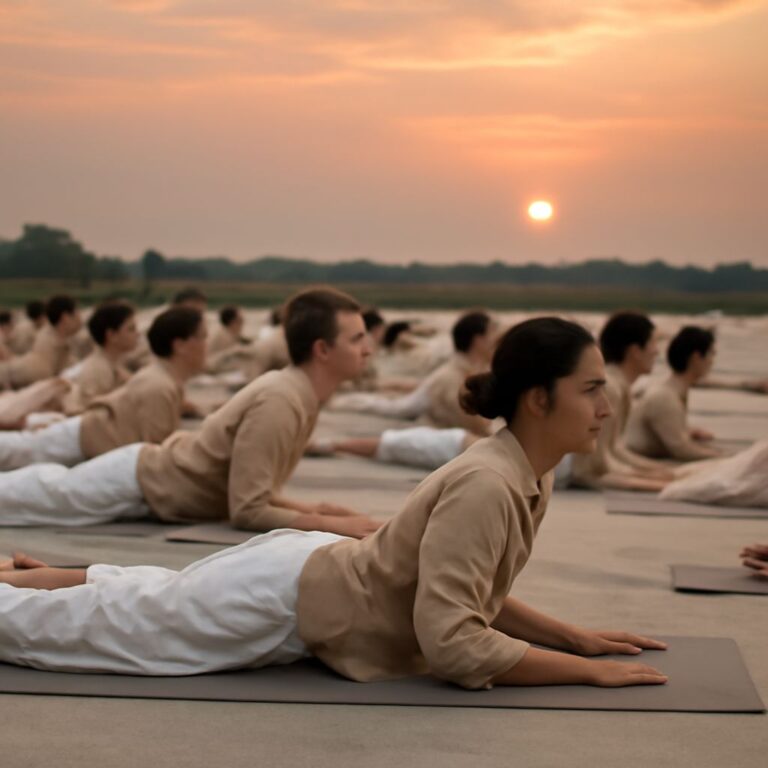
Yoga retreats for beginners serve a specific function in the mental health context. Immersive multi-day experiences create a depth of nervous system reset that daily practice sessions rarely achieve. Three to five days of regular practice, outdoor time, reduced digital input, and community connection produce documented improvements in anxiety and depressive symptom scores. The retreat format is not a luxury. For some practitioners, it is the most efficient access point to significant psychological benefit.
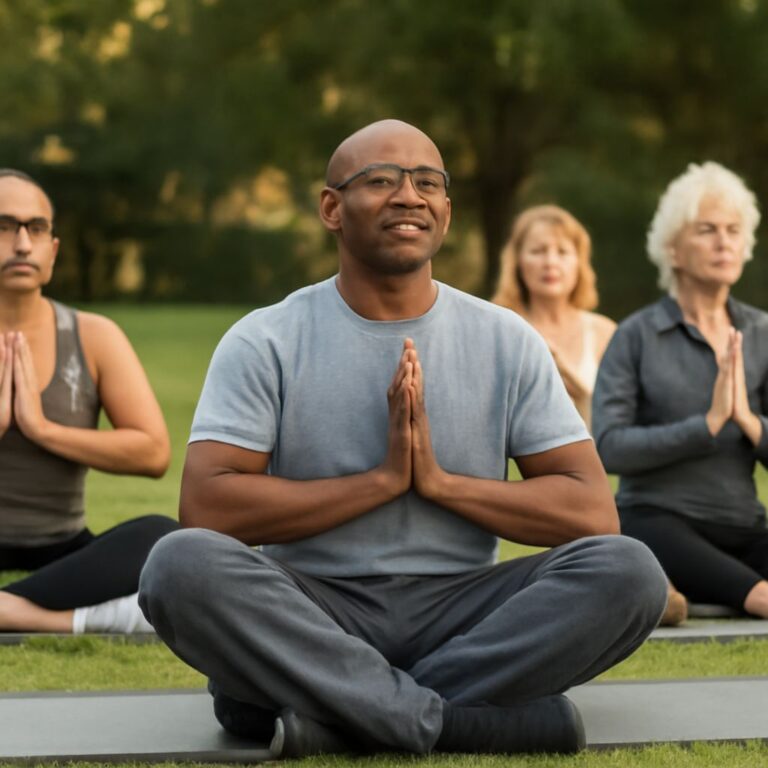
Yoga for first responders has grown into a specialized field. Police officers, paramedics, and firefighters experience chronic hypervigilance and trauma exposure that conventional yoga class formats were not designed to address. Trauma-sensitive yoga for first responders uses specific modifications: chairs instead of floor mats, optional eyes-open practice, choice-based movement rather than instruction, and explicit consent practices throughout class.
- Yoga for pelvic floor health should begin with assessment of whether the problem is tension or weakness
- Research yoga retreats for beginners that include therapeutic programming alongside standard practice
- First responder organizations can partner with trauma-informed yoga teachers for evidence-based workplace programs
- Yoga sequence for back pain should include both strengthening and mobility work, not just stretching
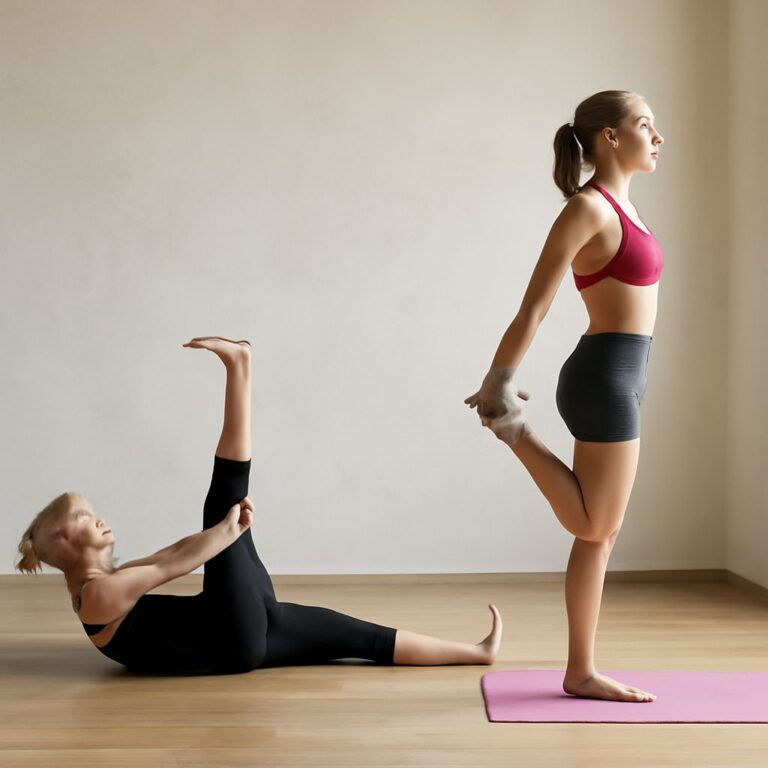
A yoga sequence for back pain built for mental health contexts must consider the psychological dimension of chronic pain. Pain catastrophizing, fear-avoidance behavior, and depression frequently accompany chronic back pain. Yoga practices that gradually expand the range of movement the practitioner trusts produce both physical and psychological improvement simultaneously.
Building Mental Health Yoga Into Organizational Wellness Programs
Yoga for mental health works at the organizational level when implemented systematically rather than as a one-time workshop. Consistent access to short practice sessions, whether through on-site classes, app-based guidance, or flexible schedule support, produces cumulative benefit that single events cannot deliver.
Yoga retreats for beginners in organizational contexts require careful design. Mandatory wellness activities can paradoxically increase stress for employees who resent the imposition. Optional participation with visible leadership modeling produces higher adoption and more genuine benefit than compulsory attendance.
Yoga for first responders programs that achieve lasting adoption typically include peer facilitators trained in basic yoga instruction. When a fellow officer or paramedic leads the practice, stigma around mental health support decreases and participation rates increase substantially compared to outside-instructor formats.
Yoga sequence for back pain used in occupational settings should account for the physical demands of the job. A construction worker and a desk employee need different sequencing priorities even when both present with lower back pain. Generic programs miss this and produce lower compliance because the practice does not feel relevant to the participant’s actual body and life.